
What's Happening?
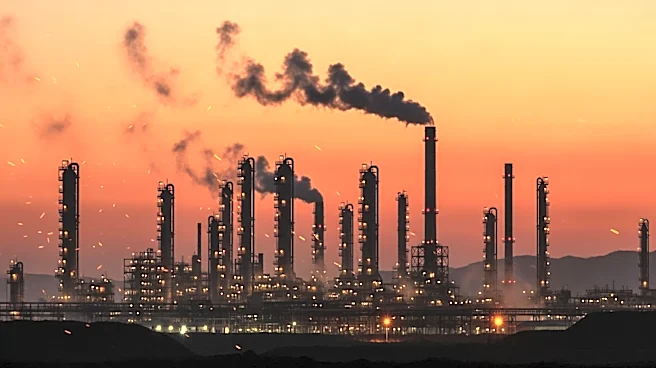
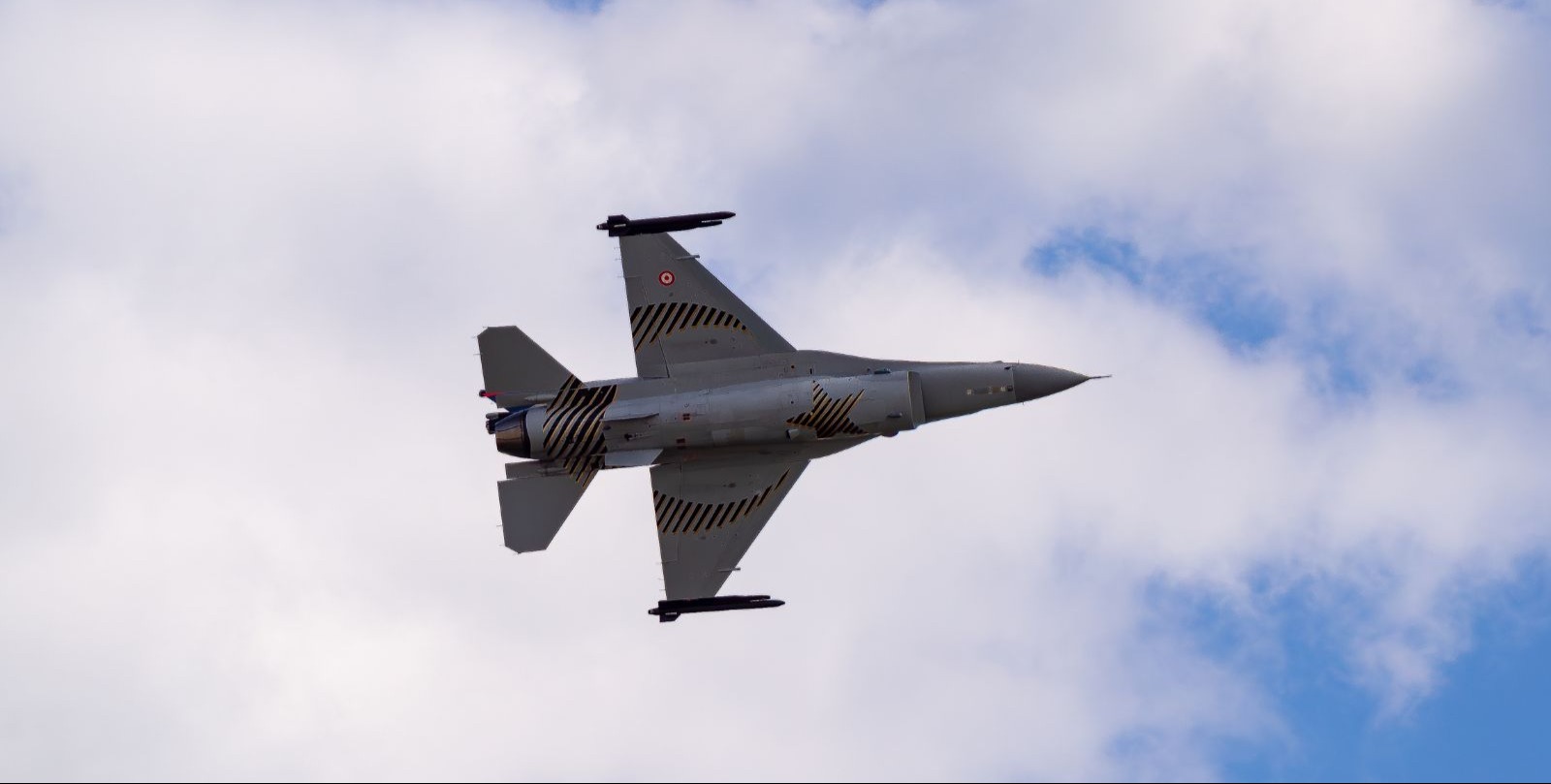
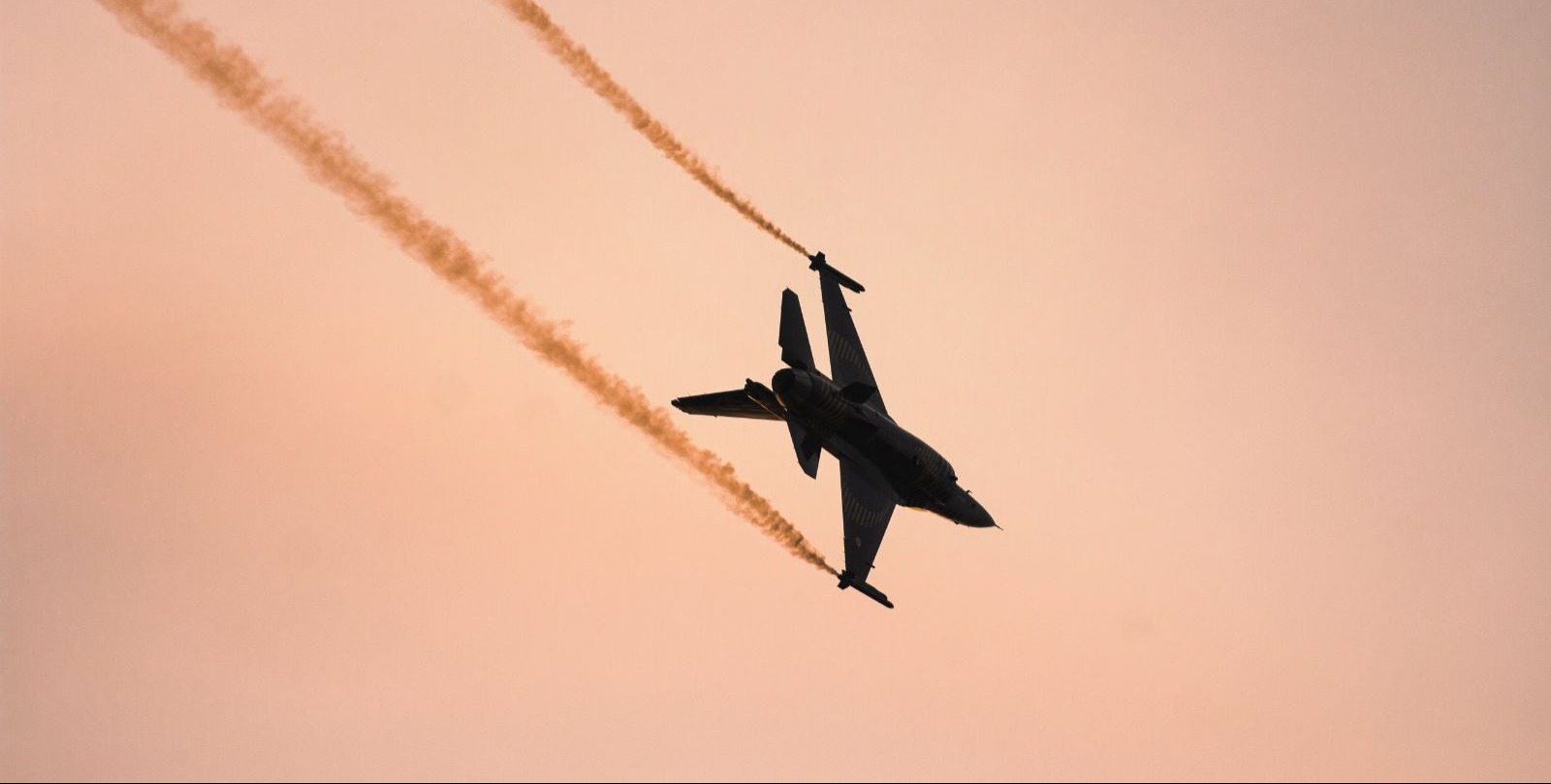
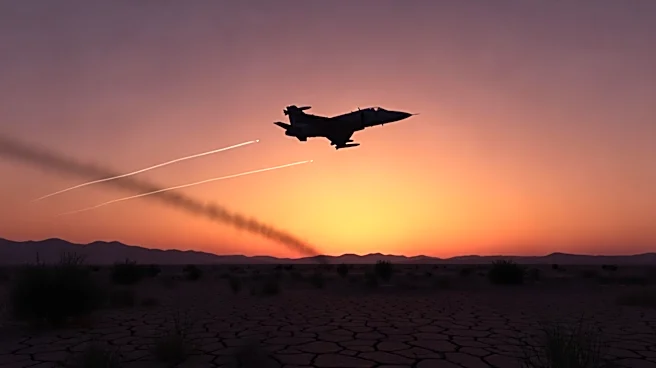
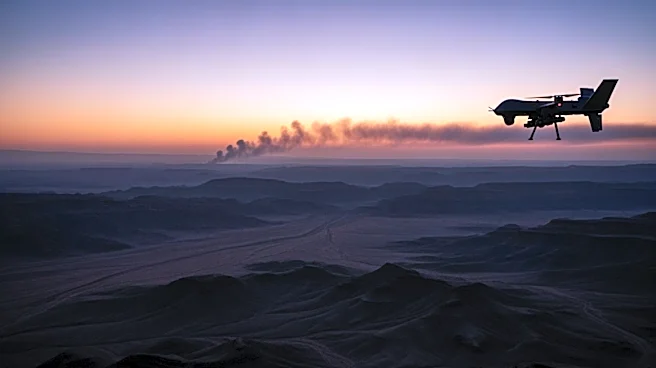
The Israeli Defense Forces (IDF) announced the successful elimination of Mohammad Reza Ashrafi Kahi, a senior commander in the Islamic Revolutionary Guard Corps' (IRGC) Oil Headquarters. The strike, carried out by the Israeli Air Force, targeted Kahi due
to his role in advancing the IRGC's financial and military capabilities. The IRGC's Oil Headquarters is a significant source of revenue for the Iranian regime, funding various military and proxy activities across the Middle East, including support for groups like Hezbollah and the Houthis. Kahi's activities were also linked to the development of ballistic missiles and drones used against Israel and Gulf countries. This operation is part of a broader conflict involving the U.S. and Israel against Iran, with tensions escalating in the region.
Why It's Important?
The elimination of a high-ranking IRGC official underscores the ongoing military conflict between Israel and Iran, with significant implications for regional stability. The IRGC's Oil Headquarters plays a crucial role in financing Iran's military operations and its network of proxies, which are involved in various conflicts across the Middle East. By targeting key figures like Kahi, Israel aims to disrupt these financial and military networks, potentially weakening Iran's influence in the region. However, such actions could also provoke retaliatory measures from Iran, leading to further escalation and instability. The situation highlights the complex geopolitical dynamics in the Middle East, where military actions can have far-reaching consequences for international relations and security.
What's Next?
Following the strike, there may be increased military activity as Iran responds to the loss of a key commander. The IDF and Israeli government will likely continue their operations against Iranian targets, focusing on disrupting the IRGC's financial and military capabilities. International stakeholders, including the U.S. and regional allies, will need to navigate the heightened tensions and potential for broader conflict. Diplomatic efforts may be pursued to de-escalate the situation, but the risk of further military engagements remains high. The ongoing conflict will require careful monitoring by global powers to prevent a wider regional war.