






What's Happening?
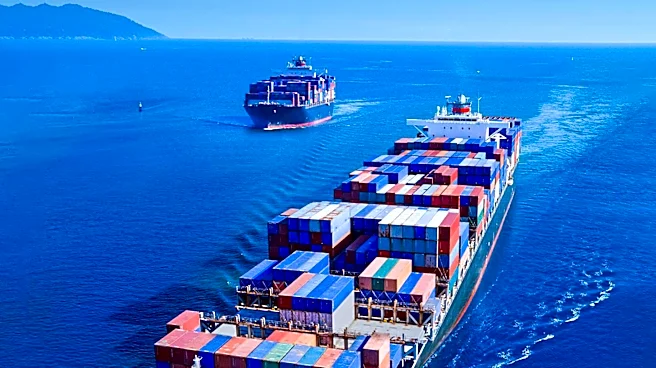
The ongoing conflict between the United States and Iran has led to a significant maritime disruption, with approximately 1,500 ships stranded in the Persian Gulf due to the closure of the Strait of Hormuz. This situation has created a potential ecological
crisis as these idle ships become breeding grounds for marine organisms, a phenomenon known as biofouling. A study by the University of Maryland Center for Environmental Science warns that when trade resumes, these organisms could spread globally, leading to invasive species outbreaks. The International Maritime Organization has advised immediate intervention to manage biofouling, but the prolonged lay-up has already set the stage for a potential 'super-spreader' event.
Why It's Important?
The potential spread of invasive marine species poses a significant threat to global marine ecosystems and economies. Invasive species can disrupt local habitats, outcompete native species, and cause extensive ecological and economic damage. The situation underscores the interconnectedness of global trade and environmental health, highlighting the need for robust biosecurity measures. The economic implications are also profound, as increased fuel consumption due to biofouling can lead to higher operational costs for shipping companies. This event serves as a wake-up call for the maritime industry to enhance biofouling management practices and for policymakers to address the environmental risks associated with geopolitical conflicts.
What's Next?
Efforts are underway to mitigate the risks associated with biofouling. Ship operators, port authorities, and environmental managers are being urged to strengthen biofouling management and expand monitoring at high-risk ports. In-water cleaning of ships before departure is recommended to reduce invasion risks. The situation also calls for improved forecasting of vessel movements and coordinated international response efforts. As the conflict continues, the shipping industry must adapt to these new challenges, balancing economic interests with environmental responsibilities.