







What's Happening?
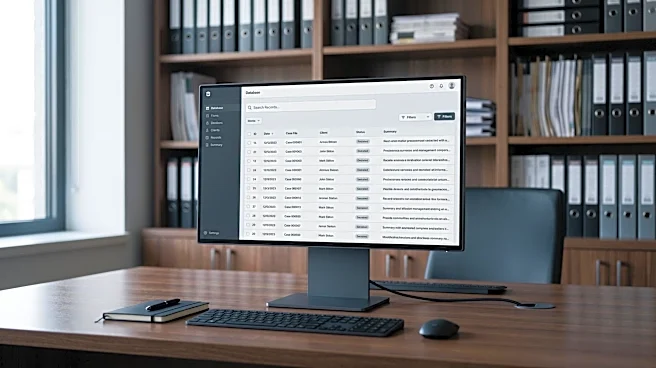
The North Carolina Judicial Branch provides an Online Court Date System designed to facilitate transparency and public access to justice by allowing individuals to find court dates by name. This system serves as a centralized hub for retrieving real-time
information on criminal, traffic, and civil proceedings across the state's 100 counties. Users need the legal name of the individual involved and can filter results by county or case type. The system is sensitive to exact spelling, and providing additional details like middle names or suffixes can narrow down searches. While convenient, the North Carolina Administrative Office of the Courts (NCAOC) advises users not to rely solely on the online system due to potential delays in updates or system outages, recommending verification with official notices or by contacting the clerk of court directly. For business litigation, the search process differs, requiring searches by 'Company Name' or 'Registered Agent' in the Business Court section or using 'eCourts' for deeper document retrieval, with privacy laws potentially limiting information for private corporate entities.
Why It's Important?
This online system is crucial for defendants, witnesses, and concerned citizens in North Carolina, as it provides a vital tool for tracking legal obligations and case statuses. The transparency offered by the NCAOC's portal helps prevent missed court appearances, which can lead to severe legal repercussions like warrants for failure to appear. By integrating most district and superior court records into a single digital infrastructure, the system streamlines access to information, making the judicial process less daunting. However, the caution against sole reliance on the online system highlights the ongoing challenges of digital information accuracy and the importance of traditional verification methods. This balance between digital convenience and the need for official confirmation is critical for maintaining the integrity of legal proceedings and ensuring due process.
What's Next?
The North Carolina Judicial Branch will likely continue to refine and improve its Online Court Date System, potentially addressing issues like update delays and user interface enhancements. There may be ongoing efforts to educate the public on the best practices for using the system, emphasizing the need for cross-verification. As digital systems evolve, there could be a push for more seamless integration between online portals and official court records to minimize discrepancies. Furthermore, the distinction between individual and business-related court searches suggests a future where specialized digital tools might be developed to cater to the unique needs of different legal entities, while also navigating privacy concerns related to corporate information.
Beyond the Headlines
The North Carolina online court date system reflects a broader national trend towards digitizing public records and enhancing governmental transparency. However, it also underscores the inherent tension between accessibility and reliability in digital platforms. The advice to verify information through traditional channels points to a lingering trust deficit in purely digital records, especially in high-stakes legal contexts. This situation raises questions about digital literacy and equity, as individuals without reliable internet access or the technical savvy to navigate online systems might be at a disadvantage. Moreover, the system's design and disclaimers highlight the legal and ethical responsibilities of government agencies in providing accurate public information, particularly when that information can directly impact individuals' rights and freedoms.