






What's Happening?
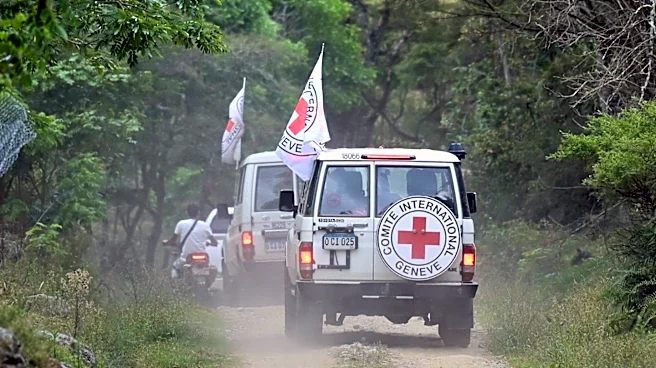
The International Federation of Red Cross and Red Crescent Societies (IFRC) operates as the world's largest humanitarian network, encompassing 191 member National Red Cross and Red Crescent Societies. The organization is committed to its 'Strategy 2030,'
which emphasizes response, resilience, and respect in its humanitarian endeavors. The IFRC actively supports its member societies in fostering community resilience across various critical areas, including climate and environment, health and wellbeing, and migration and displacement. Its core mandate involves strategic and operational coordination, humanitarian diplomacy, National Society development, and accountability. The IFRC maintains a global presence with its headquarters in Geneva and five regional offices located in Africa (Nairobi), the Americas (Panama), Asia Pacific (Kuala Lumpur), Europe (Budapest), and MENA (Beirut), alongside numerous representation offices, service centers, and delegations worldwide. The organization also upholds strict principles against misconduct, including sexual exploitation and abuse, harassment, discrimination, and financial impropriety, and adheres to child safeguarding principles.
Why It's Important?
The IFRC's extensive network and strategic focus are crucial for addressing humanitarian crises and building long-term resilience globally. Its emphasis on climate and environment, health, and migration directly impacts vulnerable populations by providing essential support and resources. By promoting fundamental principles such as humanity, impartiality, neutrality, and independence, the IFRC ensures that aid is delivered effectively and ethically, reaching those most in need without bias. The organization's commitment to National Society development strengthens local capacities, enabling communities to better prepare for and respond to disasters. This decentralized approach ensures that humanitarian action is locally led and sustainable, fostering greater self-sufficiency and reducing reliance on external aid in the long run. The IFRC's zero-tolerance policy on misconduct is vital for maintaining trust and accountability within the humanitarian sector, ensuring that resources are used appropriately and beneficiaries are protected.
What's Next?
The IFRC will continue to implement its 'Strategy 2030,' focusing on strengthening its response capabilities to disasters and crises, enhancing community resilience, and promoting respect for humanitarian principles. This involves ongoing support for its 191 member National Societies in areas such as climate adaptation, public health initiatives, and assistance for displaced populations. The organization will likely further develop its strategic and operational coordination efforts, humanitarian diplomacy, and National Society development programs. Additionally, the IFRC will maintain its commitment to accountability and ethical conduct, ensuring that its operations are transparent and effective. Future initiatives may include expanding partnerships with external stakeholders, governments, and other humanitarian organizations to maximize collective impact and address emerging global challenges more comprehensively.
Beyond the Headlines
The IFRC's work extends beyond immediate crisis response, addressing systemic issues that contribute to vulnerability. Its focus on climate and environment highlights the growing recognition of climate change as a humanitarian crisis multiplier, necessitating proactive measures for adaptation and mitigation. By investing in community resilience, the IFRC is fostering self-reliance and empowering local populations to withstand future shocks, shifting from a purely reactive model to one that emphasizes preparedness and prevention. The organization's commitment to fundamental principles also underscores the ethical imperative in humanitarian aid, ensuring that assistance is delivered with dignity and respect for human rights. This holistic approach not only saves lives but also contributes to long-term stability and sustainable development in affected regions, addressing the root causes of humanitarian needs rather than just their symptoms.