






What's Happening?
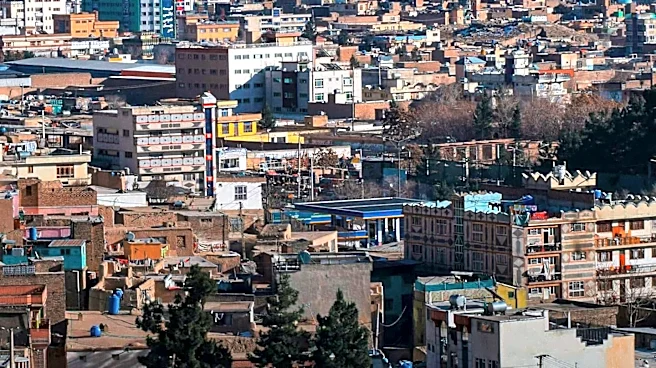
The Taliban has implemented stringent restrictions on music and artistic activities in Kandahar, Afghanistan, leading to significant economic hardship and humiliation for local singers and musicians. According to reports, artists are not only barred from
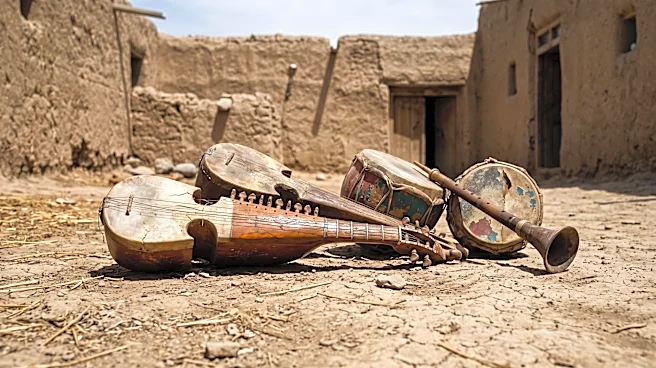
performing but are also subjected to insults and taunts by Taliban members, who refer to them as 'brothers of Satan.' Many artists, like Habib, who once supported large families through music, are now forced into menial jobs, such as street peddling, to survive. Aminullah, a tabla player, recounted how the Taliban's Morality Police raided artists' homes and confiscated instruments, even after artists swore they had abandoned their craft. Some prominent artists have fled to Pakistan, while those remaining face continuous harassment and the destruction of their musical instruments, as exemplified by Mohammad Ali, an instrumentalist who was imprisoned and had his sitar broken by the Taliban.
Why It's Important?
These restrictions have profound implications for Afghanistan's cultural identity and the livelihoods of its artists. Music and singing are integral to the cultural heritage of any society, and their suppression in Kandahar represents a significant loss. The economic impact is severe, as many artists relied on their craft for income, and the ban has left them struggling to provide for their families. The Taliban's actions not only silence individual voices but also threaten the transmission of traditional music and cultural practices to future generations. Cultural activists, such as Mirwais Mohammadi, emphasize that art reflects a society's identity, and its suppression diminishes the cultural capital of the nation, raising concerns about the long-term destruction of Afghanistan's artistic and cultural legacy.
What's Next?
The future for artists in Kandahar and other Taliban-controlled areas remains bleak, with continued suppression of musical and artistic expression. Many artists who have not already left the country are likely to seek refuge elsewhere, further depleting Afghanistan's artistic community. The Taliban's stance, viewing music as 'haram,' suggests that these restrictions are unlikely to be eased in the foreseeable future. This ongoing cultural crackdown will likely lead to a further erosion of traditional Afghan arts and a deepening of the economic crisis for those who once practiced them. International cultural organizations and human rights groups may continue to advocate for the rights of artists, but direct intervention to reverse the Taliban's policies appears improbable.
Beyond the Headlines
The Taliban's actions in Kandahar highlight a broader pattern of cultural suppression often seen in extremist regimes, where artistic expression is viewed as a threat to ideological purity. This goes beyond mere economic hardship; it represents an attempt to reshape societal values by eliminating forms of expression deemed undesirable. The psychological toll on artists, who are not only deprived of their passion but also publicly humiliated and demonized, is immense. This systematic dismantling of cultural infrastructure can have lasting effects on national identity and social cohesion, potentially leading to a generation disconnected from its artistic heritage. The situation also raises questions about the role of art in resistance and the resilience of cultural traditions under oppressive rule.