





What's Happening?
Norway is experiencing a significant energy shortage due to an unusually cold winter with minimal snowfall, which has depleted snow reserves to their lowest levels in two decades. This shortage has resulted in a deficit of approximately 25 TWh of electricity,
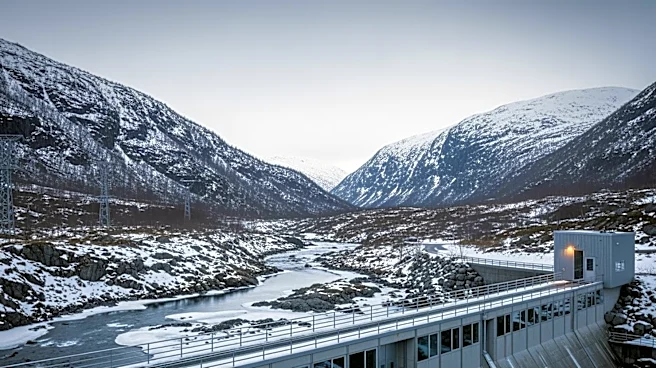
equating to 20% of Norway's hydropower output from the previous year. The lack of snow has severely impacted hydropower production, which is the primary source of electricity in Norway, accounting for nearly 90% of its total electricity generation. Consequently, exports to the UK and Germany have been drastically reduced, leading to increased energy prices in the Nordic region. The situation highlights Norway's vulnerability to weather changes, as its energy system heavily relies on snowmelt to generate hydropower.
Why It's Important?
The energy shortage in Norway has broader implications for Europe, as the country is a significant exporter of hydropower. Reduced exports have led to higher energy prices in the UK and Germany, exacerbating the region's energy challenges amid geopolitical tensions and reduced fossil fuel imports. The situation underscores the importance of diversifying energy sources and enhancing energy storage capabilities to mitigate the impacts of climate variability. Norway's reliance on hydropower, while environmentally friendly, is subject to the same intermittency issues as other renewable sources, highlighting the need for strategic planning and investment in alternative energy solutions.
What's Next?
Norway faces the challenge of addressing its energy deficit while maintaining its role as a key energy supplier to Europe. The country may need to accelerate the development of new renewable energy sources, such as wind power, and enhance its grid infrastructure to ensure energy security. Additionally, strategic discussions about power use and prioritization may become more prominent as Norway navigates its energy transition. The situation may also prompt other countries to reassess their energy strategies and invest in technologies that enhance the dispatchability of renewable energy.
Beyond the Headlines
The energy shortage in Norway serves as a cautionary tale about the impacts of climate change on energy systems. It highlights the need for countries to adapt to changing environmental conditions and invest in resilient energy infrastructure. The situation also raises ethical considerations about the balance between energy exports and domestic energy security, as well as the role of government policies in facilitating a sustainable energy transition. As Norway grapples with these challenges, it may influence global discussions on energy policy and climate adaptation strategies.