



What's Happening?
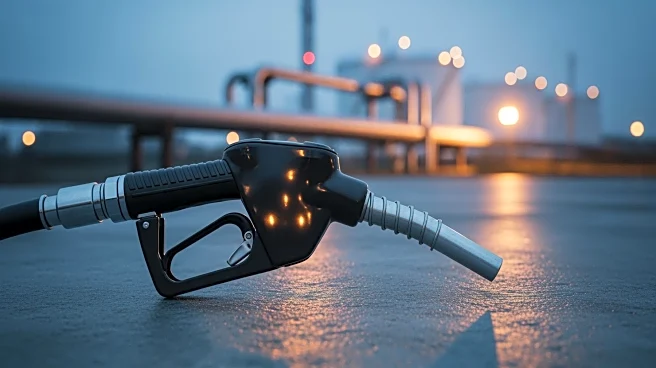
Ukraine's petrol imports more than doubled in February, reaching 190,000 metric tons, as households turned to small generators to cope with power outages caused by Russian attacks on the country's power infrastructure. This increase in demand follows
a similar trend observed in January, where long blackouts prompted a surge in the use of petrol and diesel generators. The majority of petrol imports came from Poland's Orlen and Greece's Hellas. Despite the current high demand, analysts predict a decline in imports in March due to reduced demand from small generators, maintenance at European refineries, and geopolitical tensions in the Gulf region affecting fuel prices.
Why It's Important?
The surge in petrol imports highlights Ukraine's current dependency on foreign fuel sources after the destruction of its domestic refineries. This situation underscores the vulnerability of Ukraine's energy infrastructure and the broader economic impact of the ongoing conflict with Russia. The increased fuel demand and subsequent imports have significant implications for Ukraine's economy, potentially leading to higher domestic fuel prices and affecting consumer behavior. The situation also reflects the broader geopolitical tensions in the region, with potential ripple effects on global energy markets and supply chains.
What's Next?
As Ukraine continues to navigate its energy challenges, the government may need to explore alternative energy solutions and strengthen its infrastructure to reduce dependency on imports. The anticipated decline in petrol imports in March could lead to adjustments in domestic fuel pricing and consumption patterns. Additionally, the ongoing geopolitical tensions in the Gulf region may further influence fuel prices and availability, prompting Ukraine to seek diversified energy sources. The government's response to these challenges will be crucial in stabilizing the energy market and ensuring a reliable power supply for its citizens.