

What's Happening?
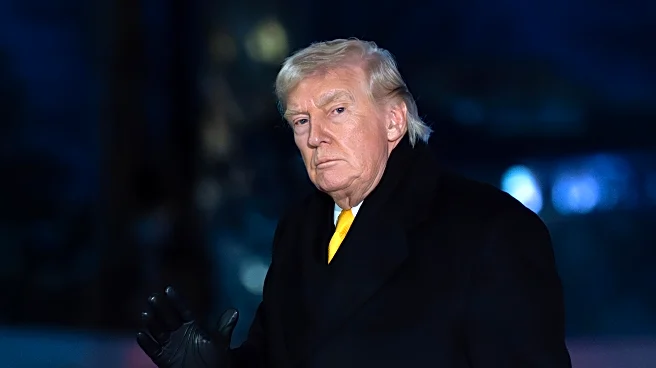
The British Broadcasting Corporation (BBC) is defending itself against a $10 billion defamation lawsuit filed by President Donald Trump. The lawsuit centers around a documentary aired by the BBC that included a misleading edit of a segment from a speech
by Trump. The edit allegedly gave the impression that Trump made a direct call for violence before the January 6, 2021, attack on the U.S. Capitol. The BBC has requested a federal judge in Miami to pause the exchange of evidence until a ruling is made on their motion to dismiss the case, which is expected in March. The broadcaster also plans to seek a venue change to New York if the case is not dismissed, arguing that the documentary was neither created, produced, nor aired in Florida.
Why It's Important?
This lawsuit highlights the ongoing tensions between media organizations and public figures, particularly in the context of political reporting. The outcome of this case could have significant implications for media freedom and the standards required to prove defamation against public figures in the U.S. The case also underscores the challenges media outlets face in balancing editorial decisions with legal risks, especially when covering controversial political events. A ruling in favor of Trump could embolden other public figures to pursue similar legal actions, potentially impacting how media organizations report on political matters.
What's Next?
The next steps involve the court's decision on the BBC's motion to dismiss the case, expected in March. If the case proceeds, the BBC intends to request a change of venue to New York. The legal proceedings will likely involve detailed examinations of the documentary's content and the editorial decisions made by the BBC. The case could attract significant public and media attention, influencing public discourse on media responsibility and freedom.