





What's Happening?
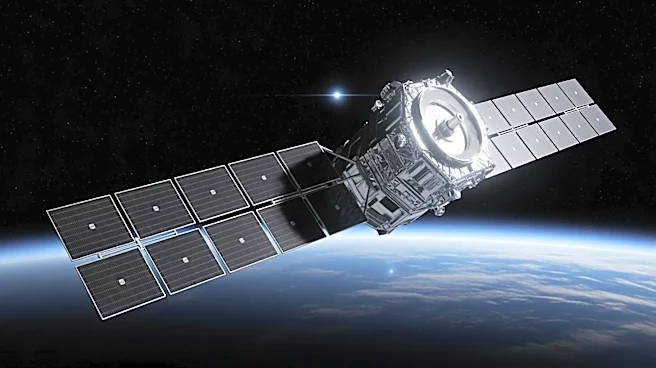
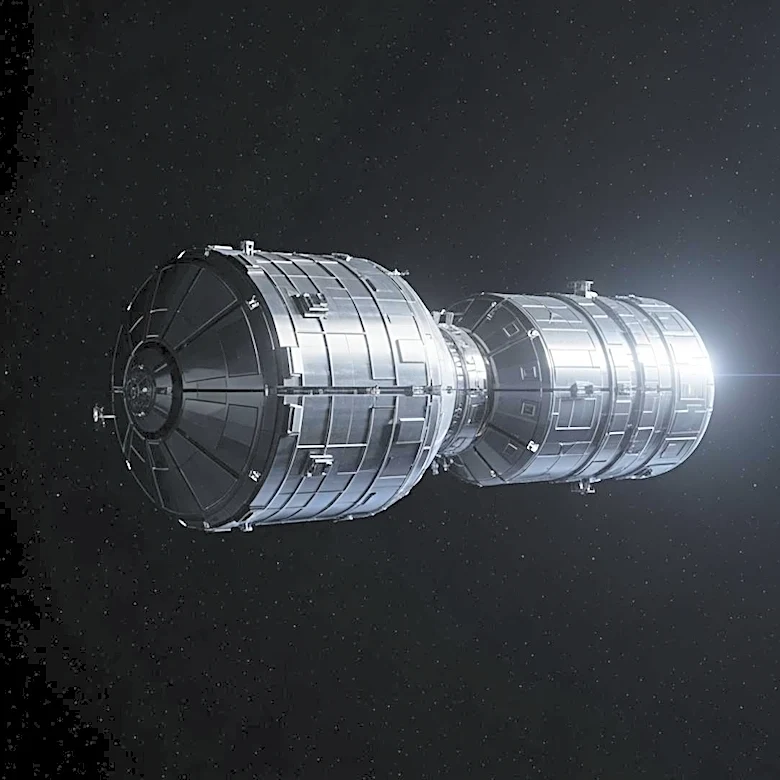
NASA's Nancy Grace Roman Space Telescope is set to revolutionize the field of exoplanet discovery by identifying approximately 100,000 new transiting planets over its five-year mission. The telescope will also significantly expand the catalogue of rogue
planets, with an estimated 400 Earth-mass rogue planets expected to be detected. This mission will utilize advanced microlensing techniques, allowing the telescope to identify planets that do not orbit stars, known as rogue planets. The Roman Telescope's capabilities are expected to provide a comprehensive census of these free-floating planets, which have been theorized for decades but only recently confirmed in small numbers.
Why It's Important?
The Roman Telescope's mission is crucial for understanding the distribution and characteristics of planets in our galaxy. By vastly increasing the number of known exoplanets and rogue planets, the mission will provide valuable data for statistical analysis of planetary populations. This could lead to insights into the formation and evolution of planetary systems, including our own. The discovery of a large number of rogue planets will challenge existing models of planetary formation and migration, potentially leading to new theories about the dynamics of planetary systems.
What's Next?
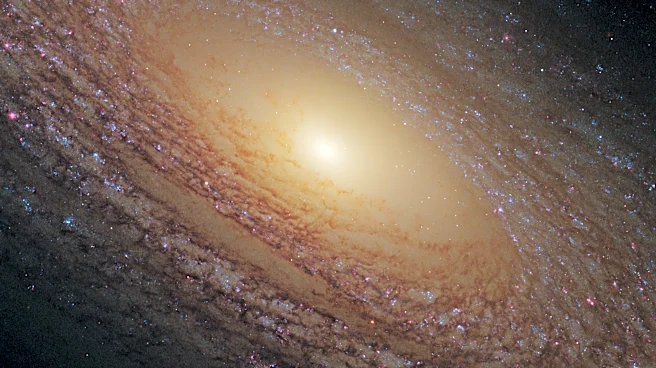
The Roman Telescope is scheduled for launch by May 2027, with a possible earlier launch in fall 2026. Once operational, it will conduct a comprehensive survey of the Milky Way's galactic bulge, where the density of stars is highest. The mission will involve repeated observations of selected fields to detect microlensing events, which will reveal the presence of rogue planets. The data collected will be made publicly available, allowing scientists worldwide to participate in the analysis and discovery of new worlds.