






What's Happening?
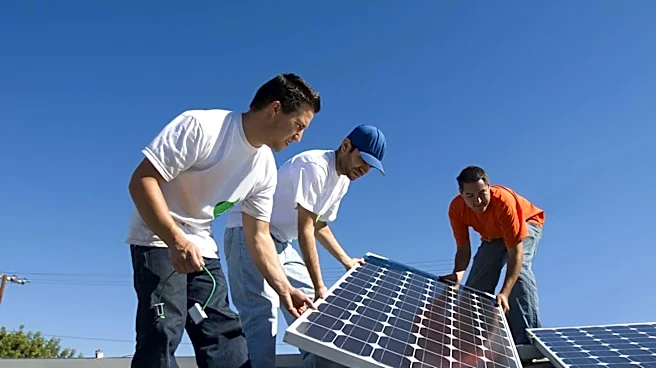
Kia Love, a disabled Army veteran and Florida homeowner, experienced a significant increase in her monthly expenses after installing solar panels in 2016. She was promised by a door-to-door salesperson that the system would reduce her electric bill to zero.
However, Love reported that her electricity bill remained the same, and she incurred an additional $175 monthly payment for the solar panels. The sales pitch included a federal tax benefit that Love later discovered she was ineligible for due to her income as a disabled veteran. Furthermore, a technician eventually found that the solar system had been improperly installed and was not functioning correctly. Her initial loan of approximately $16,000 for the panels increased to over $24,000 after two years, leading to the higher monthly payment. This case highlights issues with solar financing and sales practices, particularly concerning the transfer of debt and the impact of UCC-1 filings on homeowners.
Why It's Important?
This incident underscores critical issues within the residential solar energy market, particularly concerning sales transparency, financial product complexity, and consumer protection. The promise of 'zero' electric bills, which often fails to materialize, can lead to significant financial burdens for homeowners, especially those with fixed incomes or limited financial literacy. The case also brings to light the practice of bundling solar equipment sales with complex financial products, where consumers may not fully understand the terms or disclaimers. The transfer of debt to third-party investors, even after original lenders declare bankruptcy, creates a precarious situation where homeowners are still obligated to pay for underperforming or improperly installed systems. Moreover, the use of UCC-1 filings, which can act similarly to liens, can complicate property sales or refinancing, trapping homeowners in unfavorable financial arrangements. This situation can erode public trust in renewable energy solutions and hinder broader adoption if consumers fear being exploited.
What's Next?
The experience of Kia Love may prompt increased scrutiny of sales practices within the residential solar industry and potentially lead to calls for stronger consumer protection regulations. Attorney Joshua Horton's observations about the complexity of solar financing, where 'they're selling not just the panels; they're selling a financial product,' suggest a need for clearer disclosure requirements and consumer education. Homeowners considering solar installations may become more cautious, seeking independent advice and thoroughly reviewing contracts before committing. There could be a push for legislative action to address issues such as misleading sales tactics, the transfer of solar debt, and the implications of UCC-1 filings on property titles. Additionally, consumer advocacy groups may become more active in assisting individuals who have faced similar challenges, potentially leading to class-action lawsuits or increased regulatory oversight to ensure fair practices in the growing solar energy sector.
Beyond the Headlines
This case delves into the ethical dimensions of marketing and sales within the green energy sector. While solar energy is promoted as an environmentally friendly and cost-saving solution, aggressive or misleading sales tactics can undermine its positive potential and disproportionately affect vulnerable populations, such as veterans or those with limited financial resources. The complexity of solar financing, often involving multiple agreements and the subsequent sale of debt portfolios, creates a disconnect between the initial promise and the long-term financial reality for consumers. This raises questions about corporate responsibility and the need for robust regulatory frameworks that protect consumers without stifling innovation in renewable energy. The broader implication is a potential erosion of public confidence in green technologies if the financial benefits are not transparently communicated and guaranteed. This could slow down the transition to sustainable energy sources, as negative experiences deter potential adopters, highlighting the importance of ethical business practices in achieving environmental goals.