




What's Happening?
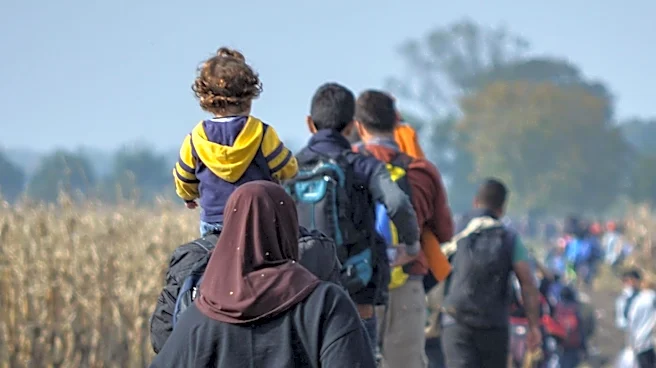
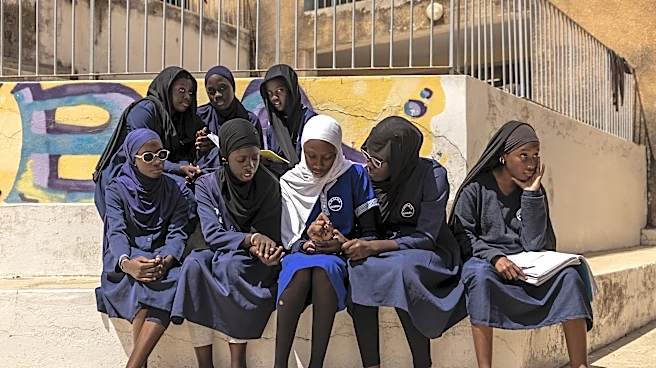
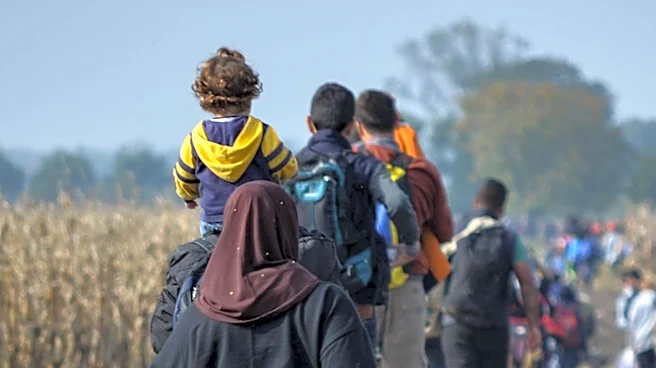
In Sudan, women are actively leading efforts to rebuild lives and communities despite the ongoing conflict that has displaced millions. As highlighted by UN Women, individuals like Majeeda Al Nour and Eshtiyag Ali, both 27, have transformed their personal
experiences of loss and displacement into actions supporting others. Eshtiyag Ali, a women's rights activist, lost her father due to the conflict and has since participated in UN Women's Leadership Empowerment Programme, focusing on UN Security Council Resolution 1325 concerning women, peace, and security. Majeeda Al Nour, whose university studies were interrupted by violence, became internally displaced and now coordinates a UN Women-supported project, leading community outreach and advocating for women affected by gender-based violence. These women are organizing informal conversations, linking survivors to services, sharing vital information, and working towards peacebuilding from the ground up.
Why It's Important?
The leadership of Sudanese women in conflict-affected regions is crucial for several reasons. Firstly, it demonstrates the resilience and agency of women who are often disproportionately affected by conflict, facing heightened risks of displacement, violence, and trauma. Their active participation in recovery and peacebuilding challenges traditional narratives that often portray women solely as victims. Secondly, their efforts are vital for community stability and healing, as they provide psychosocial support, facilitate communication, and address the immediate needs of displaced populations. By strengthening women's leadership and peacebuilding capacities, organizations like UN Women, with support from partners such as the Swedish International Development Cooperation Agency (Sida) and the Women's Peace and Humanitarian Fund (WPHF), are fostering a more inclusive and sustainable approach to conflict resolution and post-conflict recovery. This approach recognizes that empowering women is not just a matter of human rights but also a strategic imperative for lasting peace.
What's Next?
The ongoing support from organizations like UN Women and its partners will continue to be critical in empowering more Sudanese women to take on leadership roles in peacebuilding and community recovery. Eshtiyag Ali plans to transfer her acquired knowledge and skills to her peers, aiming to expand the network of women peacebuilders. Majeeda Al Nour will continue her work in community outreach and advocacy, connecting more women to essential service providers. The success of these initiatives will likely encourage further investment in women-led programs, potentially leading to a broader impact on conflict resolution and social cohesion in Sudan. Continued international attention and funding will be essential to sustain these efforts and ensure that women's voices are heard and integrated into formal peace processes and governance structures.
Beyond the Headlines
The stories of Eshtiyag and Majeeda highlight a deeper societal shift where women are not just surviving conflict but are actively shaping their country's future. This challenges patriarchal norms that often exclude women from decision-making processes, particularly in times of crisis. Their work underscores the ethical imperative to support and amplify the voices of women in conflict zones, recognizing their unique perspectives and contributions to peace. Furthermore, the emphasis on UN Security Council Resolution 1325 signifies a growing international recognition of the critical role women play in preventing and resolving conflicts. This development could lead to long-term changes in how humanitarian aid and peacebuilding initiatives are structured, prioritizing gender-inclusive approaches and fostering a more equitable society in post-conflict Sudan.