
What's Happening?
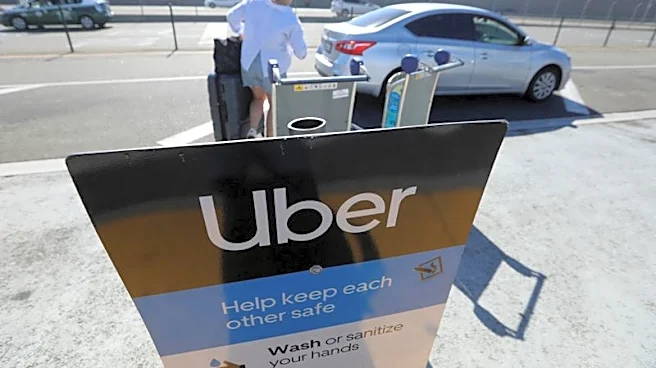
Uber is in the process of notifying thousands of its drivers that their personal and driver's license information was compromised during a data breach in October. The incident originated with one of Uber's
third-party technology providers, Fireworks AI. Uber was informed on October 9 by Fireworks AI that hackers had breached their systems, stealing internal credentials which were then used to access Uber's data. Following this notification, Uber began informing affected drivers that their personal information, stored with the compromised provider, had been exposed. According to data breach notices filed with various U.S. attorneys general, the stolen data includes driver's licenses for 2,567 individuals in Massachusetts, 3,430 in South Carolina, and 1,873 in Rhode Island. Filings in Illinois indicate that some residents also had their driver's license information stolen, with the exact number pending. Uber has also notified drivers in California, though specific numbers for that state were not disclosed. The total number of affected individuals is expected to increase as more notifications are processed. Fireworks AI attributed its breach to a financially motivated cybercriminal group aiming to sell stolen tokens for accessing large language models.
Why It's Important?
This data breach carries significant implications for the affected Uber drivers, as the exposure of driver's license information, along with other personal data, can lead to various forms of identity theft and fraud. For Uber, this incident underscores the critical cybersecurity risks associated with third-party vendors and the broader supply chain. Companies like Uber rely heavily on external service providers, and a vulnerability in one vendor's system can directly impact the security of their own customer data. This event could erode trust among its driver base, potentially affecting driver retention and recruitment efforts. Furthermore, the incident highlights the ongoing challenge for large technology platforms to maintain robust data security across their entire operational ecosystem. The financial motivation behind the attack suggests a growing market for stolen credentials and data, posing a persistent threat to businesses holding sensitive personal information. The need for stringent vendor security assessments and continuous monitoring becomes even more apparent with such breaches.
What's Next?
Uber is currently providing affected individuals with free access to credit monitoring and fraud assistance services through Cyberscout, as stated in their notification letters. The company will likely continue to work with law enforcement and cybersecurity experts to investigate the full extent of the breach and implement additional security measures to prevent future occurrences. Affected drivers may also explore legal options, as indicated by law firms like Federman & Sherwood investigating the incident. Regulatory bodies, including state attorneys general, will likely monitor Uber's response and compliance with data breach notification laws. For Fireworks AI, the incident will necessitate a thorough review of their security protocols and potential enhancements to their infrastructure to prevent further compromises. The broader tech industry may also see increased scrutiny on third-party vendor security practices, potentially leading to more rigorous contractual obligations and auditing requirements for data handling.
Beyond the Headlines
This incident extends beyond a typical data breach, touching upon the complex interdependencies within the modern digital economy. The compromise of a specialized AI model provider, Fireworks AI, highlights an emerging vector for cyberattacks: the AI supply chain. As more companies integrate AI tools and services, the security of these underlying platforms becomes paramount. A breach at an AI vendor could not only expose personal data but also potentially compromise proprietary AI models or the integrity of data used to train them, leading to broader systemic risks. This event also underscores the evolving tactics of cybercriminals, who are increasingly targeting specialized tech providers to gain access to larger client networks. The financial motivation to sell tokens for accessing large language models points to a new frontier in cybercrime, where access to advanced AI capabilities could become a valuable commodity. This could lead to a re-evaluation of data security frameworks to specifically address the unique vulnerabilities presented by AI technologies and their providers.