




What's Happening?
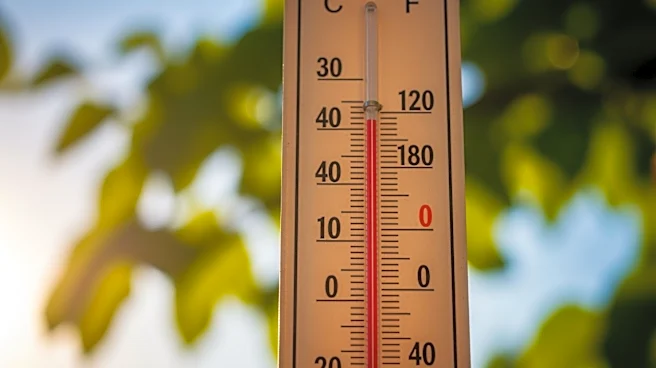
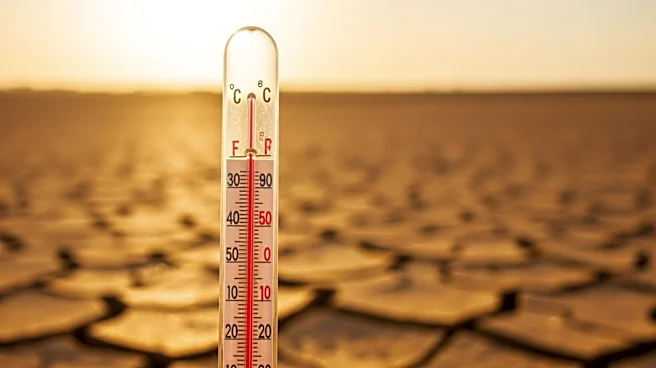
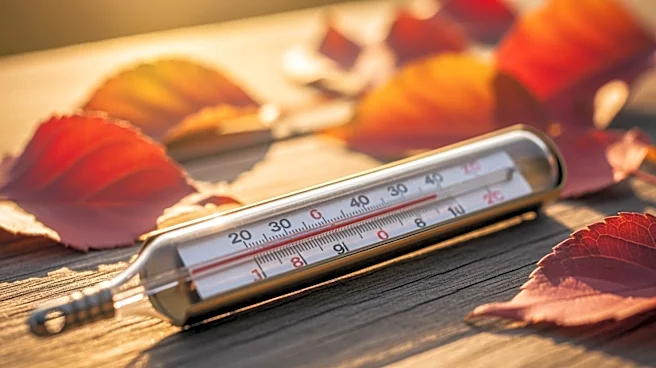
The Northeast region of the United States is expected to experience record-high temperatures this week, with forecasts predicting temperatures up to 30 degrees above average for mid-April. According to FOX Weather, over 280 million Americans will face
above-average temperatures, with more than 150 record highs potentially being broken. The National Weather Service has reported that temperatures in the tri-state area will climb to near 80 degrees on Monday, and could reach 90 degrees in parts of New York by Wednesday, surpassing the previous record high for April 15 set in 1941. This unusual heat wave follows one of New York's most brutal winters in years, and has raised concerns about an elevated risk of wildfires across the Northeast.
Why It's Important?
The forecasted heat wave is significant as it poses potential risks to public safety and the environment. The elevated temperatures increase the likelihood of wildfires, which have already begun to occur in parts of the Northeast and South. For instance, a wildfire near Philadelphia recently burned over 120 acres before being contained. The heat wave also highlights broader climate trends, as above-normal temperatures are expected to persist along the East Coast for the remainder of April. This situation underscores the need for preparedness and adaptation strategies to mitigate the impacts of extreme weather events, which are becoming more frequent due to climate change.
What's Next?
As the heat wave progresses, local authorities and emergency services may need to implement measures to prevent and respond to potential wildfires. Residents in affected areas should stay informed about weather updates and take precautions to protect themselves from heat-related illnesses. Additionally, the Climate Prediction Center forecasts continued above-normal temperatures for the East Coast, suggesting that similar weather patterns may occur in the near future. This could prompt discussions among policymakers and environmental groups about long-term strategies to address climate change and its effects.