




What's Happening?
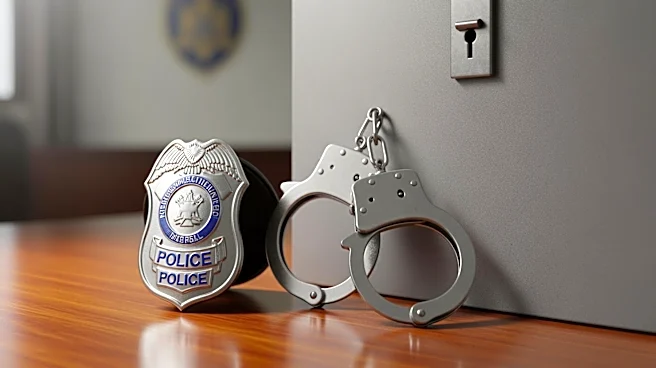
In recent years, local law enforcement has taken on a more significant role in securing elections across the United States. This shift is largely attributed to the increased threats and harassment faced by election officials, a trend that has been on the rise
since the 2020 election. Chris Davis, the Chief of Police in Green Bay, Wisconsin, notes that elections have become a major focus for his department, requiring year-round planning and coordination with local officials. According to a survey by the Brennan Center for Justice, 32% of local election officials reported experiencing threats or harassment related to their roles. This has led to a greater emphasis on collaboration between election officials and law enforcement to ensure safe and secure elections.
Why It's Important?
The involvement of local police in election security is crucial in maintaining the integrity of the electoral process, especially in battleground states like Wisconsin. The increased threats against election officials highlight the need for a coordinated response to protect the democratic process. However, the presence of law enforcement at polling sites raises concerns about potential voter intimidation, particularly among voting rights advocates. The balance between ensuring security and maintaining a non-intimidating environment for voters is delicate and requires careful planning and communication between stakeholders. The proactive role of law enforcement is seen as essential in preventing disruptions and ensuring that elections proceed smoothly.
What's Next?
As the 2026 midterms approach, election officials and law enforcement agencies are expected to continue their collaboration to address evolving threats. This includes ongoing communication and planning to adapt to new challenges that may arise. The focus will be on finding the right balance of police presence to ensure security without deterring voter participation. Additionally, there may be further discussions and potential legislative actions to address concerns about law enforcement's role at polling sites, ensuring that their involvement does not inadvertently suppress voter turnout.
Beyond the Headlines
The increased role of law enforcement in elections reflects broader societal tensions and the politicization of the electoral process. This development underscores the need for ongoing dialogue about the role of police in civic spaces and the importance of safeguarding democratic institutions. The situation also highlights the challenges faced by election officials in an era of heightened political polarization and misinformation, necessitating robust support systems and resources to protect the integrity of elections.