


What's Happening?
The United States Supreme Court is set to hear a case challenging Hawaii's 'Vampire Rule,' which requires gun owners to obtain permission from property owners before carrying a concealed firearm onto private property open to the public. This case follows
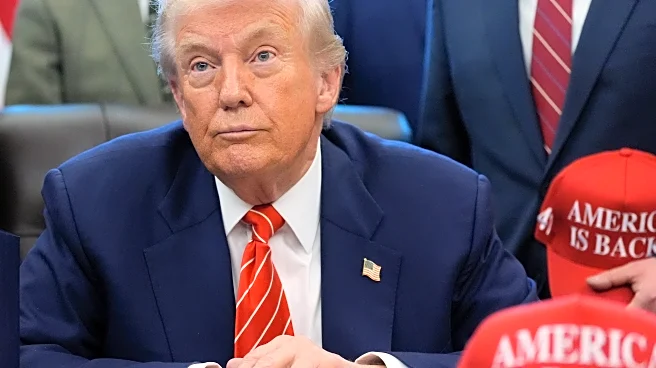
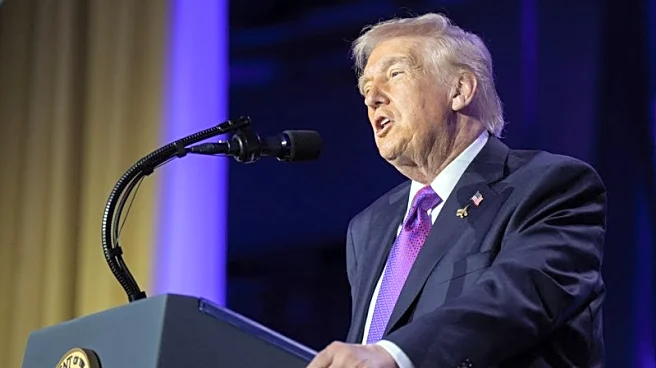
the Supreme Court's 2022 decision that struck down New York's similar restrictions, expanding the Second Amendment right to bear arms outside the home. The Trump administration has argued that Hawaii's law, along with similar laws in other states, effectively bans public carry by requiring explicit permission from property owners. The case, which will be heard on January 20, involves gun rights advocates who argue that the default presumption should allow handguns on publicly open private property unless explicitly banned by the owner.
Why It's Important?
The outcome of this case could significantly impact gun regulations across the United States, particularly in states with similar laws. A decision against Hawaii's law could limit states' abilities to regulate where firearms can be carried, potentially leading to more permissive gun carry laws nationwide. This case also highlights the ongoing tension between gun rights and property rights, as well as the broader debate over the balance of power between state regulations and federal constitutional rights. The decision could set a precedent for future cases involving the regulation of firearms on private property.
What's Next?
The Supreme Court's decision, expected by the end of June, will clarify the extent to which states can regulate concealed carry on private property. Depending on the ruling, states with similar laws may need to revise their regulations to comply with the Court's interpretation of the Second Amendment. The decision could also prompt further legal challenges to other state and federal gun regulations, potentially reshaping the landscape of gun rights in the United States.