






What's Happening?
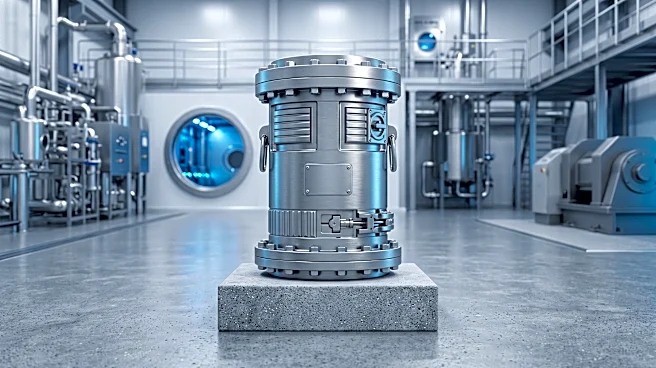
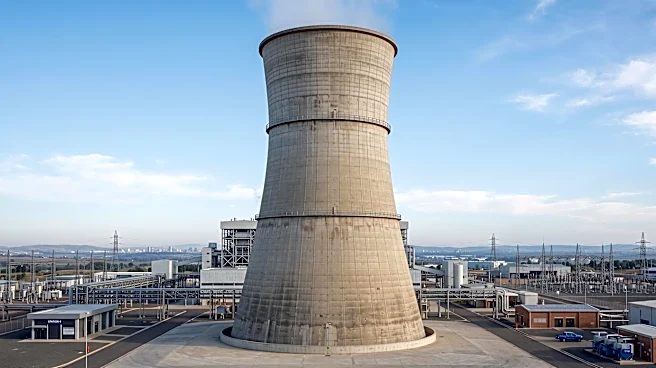
Texas A&M Engineering Experiment Station (TEES) has partnered with ZettaJoule to explore the development of a very-high temperature modular research reactor in College Station. This initiative centers on ZettaJoule’s ZJ0, a high-temperature gas-cooled
reactor designed to deliver process heat up to 950°C (1,742°F). Unlike traditional light-water reactors primarily used for grid electricity, these systems are engineered for sustained, high thermal output, making them suitable for industrial applications such as hydrogen production, synthetic fuel development, steelmaking, chemical processing, desalination, advanced manufacturing, and energy supply for large-scale data centers. The project aims to expand Texas A&M's existing nuclear infrastructure, potentially making it the only U.S. university operating more than two nuclear research reactors on campus. This concentration of resources could attract significant interest and investment from federal agencies like the Department of Energy and NASA, as well as private companies in advanced materials, refining, and hyperscale data operations. The ZJ0's design incorporates lessons from Japan's High Temperature Engineering Test Reactor, adapting them for U.S. regulatory and commercial needs.
Why It's Important?
This development is significant for U.S. energy strategy, addressing rising electricity demand driven by AI infrastructure, electrification, and advanced manufacturing. High-temperature nuclear systems are being evaluated for their ability to complement renewable generation by providing firm, carbon-free heat and power solutions beyond traditional electricity generation. For hard-to-abate industries that heavily rely on fossil fuels for high-temperature heat, this technology offers a pathway to decarbonization. A university-based demonstration reactor would create a controlled environment for companies and researchers to test materials, fuels, and production systems under real-world thermal conditions, fostering innovation and accelerating the adoption of advanced nuclear technologies. The project could catalyze up to $1 billion in research funding and industrial partnerships over the next decade, strengthening the U.S. position in advanced reactor development and contributing to energy independence and grid reliability. Furthermore, it supports skilled workforce development, a critical component of state and federal energy planning.
What's Next?
If the project advances, Texas A&M will proceed with the development of the ZettaJoule ZJ0 reactor. This will involve further evaluation, regulatory processes, and securing the anticipated $1 billion in research investment and industrial partnerships. The university will focus on integrating academic research with applied industry testing and workforce development. The facility, if built, would be owned by TEES. For ZettaJoule, this agreement establishes a U.S. foothold within an established nuclear engineering program, emphasizing experimentation, validation, and training rather than immediate utility-scale deployment. The success of this demonstration project could pave the way for broader commercial deployment of high-temperature gas-cooled reactors across various industrial sectors in the U.S., potentially influencing future energy policy and investment in advanced nuclear technologies.
Beyond the Headlines
The initiative at Texas A&M represents a broader shift in how nuclear energy is perceived and utilized, moving beyond solely electricity generation to encompass industrial process heat. This diversification of nuclear applications could unlock new avenues for decarbonization in sectors traditionally difficult to electrify, such as steel and chemical production. The emphasis on university-led research and development, coupled with private-sector collaboration, highlights a model for accelerating technological innovation and commercialization. This approach could also address concerns about nuclear waste by exploring advanced fuel cycles and reactor designs that minimize waste production. The project's potential to attract significant federal and private investment underscores a growing recognition of nuclear energy's role in achieving national energy security and climate goals, while also fostering a new generation of nuclear engineers and scientists.