


What's Happening?
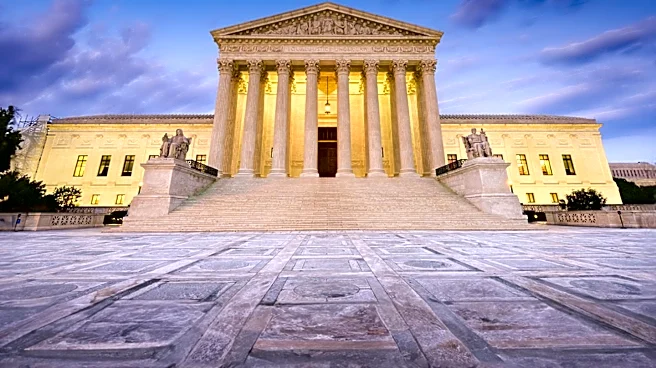
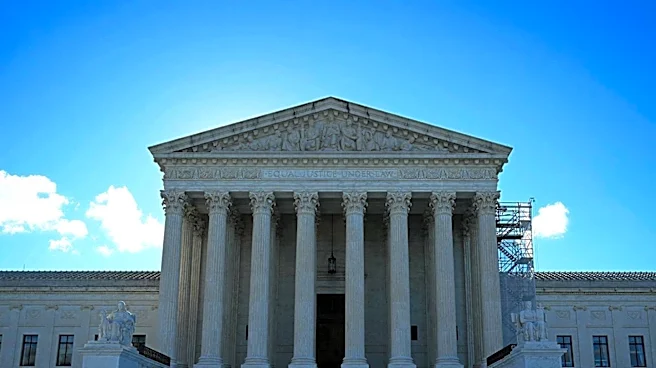
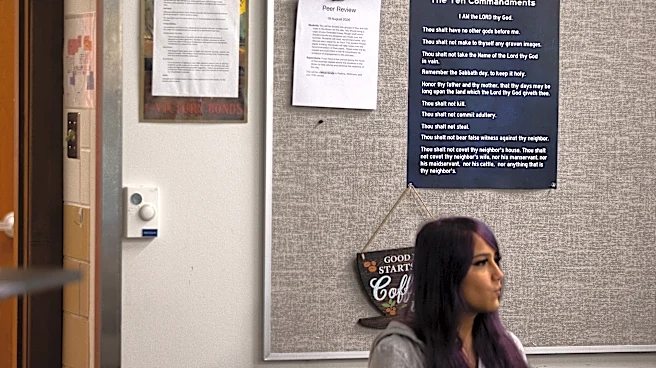
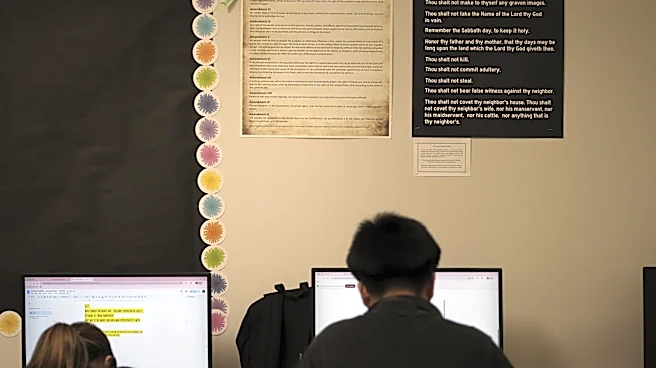
More than two dozen Texas families are urging the U.S. Supreme Court to review a state law, Senate Bill 10 (S.B. 10), which requires public schools to display a Protestant version of the Ten Commandments in every classroom from kindergarten through 12th
grade. The families, represented by organizations including the American Civil Liberties Union of Texas and Americans United for Separation of Church and State, argue that this mandate infringes upon students' and parents' religious freedom. They contend that such displays pressure children to conform to state-favored religious beliefs and interfere with parents' rights to guide their children's religious instruction. This petition follows a ruling by the en banc U.S. Circuit Court of Appeals for the 5th Circuit, which allowed S.B. 10 to proceed, despite a 1980 Supreme Court case that struck down a similar Kentucky law. The families involved come from various religious and nonreligious backgrounds, including Christian, Jewish, Hindu, Baha'i, Unitarian Universalist, and atheist traditions, spanning 22 school districts across Texas.
Why It's Important?
This legal challenge is significant for upholding the principle of separation of church and state in public education across the U.S. If the Supreme Court agrees to hear the case, its decision could set a precedent for how religious displays are treated in public schools nationwide. For families, the outcome will determine the extent of their right to direct their children's religious upbringing without state interference. Opponents of the law argue that mandatory religious displays can lead to bullying, stigmatization, and religious coercion for students who do not adhere to the favored beliefs. Conversely, proponents of S.B. 10 may view it as an affirmation of religious values in public life. The case highlights the ongoing tension between religious freedom and the Establishment Clause of the First Amendment, which prohibits the government from establishing a religion. A ruling in favor of the Texas law could encourage similar legislation in other states, potentially altering the religious landscape of public education.
What's Next?
The immediate next step is for the U.S. Supreme Court to decide whether it will hear the joint petition for a writ of certiorari. If the Court grants review, the case will proceed to oral arguments, and a final decision would likely be issued in the following term. Should the Supreme Court decline to hear the case, the 5th Circuit's ruling would stand, allowing the Ten Commandments to remain displayed in Texas public school classrooms. This would likely lead to continued advocacy and potential legislative efforts at the state level in Texas and other states. Regardless of the Supreme Court's decision, the issue is expected to remain a focal point for civil liberties organizations, religious freedom advocates, and educational policy discussions, potentially influencing future legislative proposals concerning religion in public schools.
Beyond the Headlines
The debate over displaying the Ten Commandments in public school classrooms touches upon deeper societal questions regarding religious pluralism and the role of public institutions in a diverse nation. Beyond the legal arguments, the controversy reflects differing views on moral education and the transmission of values to younger generations. For some, the Ten Commandments represent a foundational moral code, while for others, their mandatory display in a public school setting is an endorsement of a specific religion, potentially alienating students from different faiths or no faith. The case also underscores the power of state legislatures to enact laws that challenge established interpretations of constitutional principles, prompting a re-evaluation of the balance between state authority and individual rights. The outcome could influence how public schools navigate religious diversity and inclusivity, shaping the educational environment for millions of students.