
What's Happening?
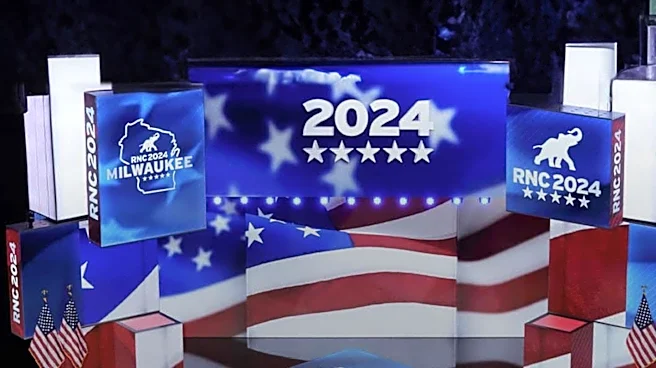
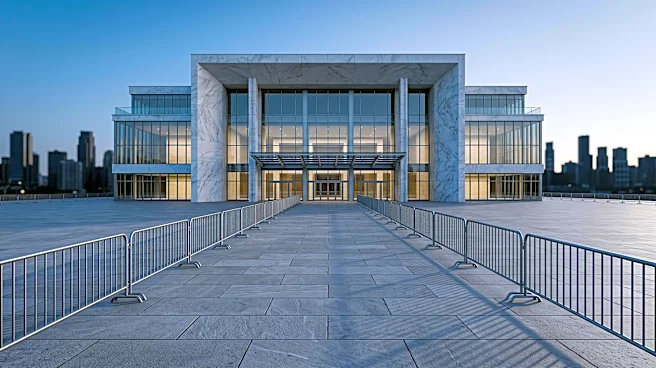
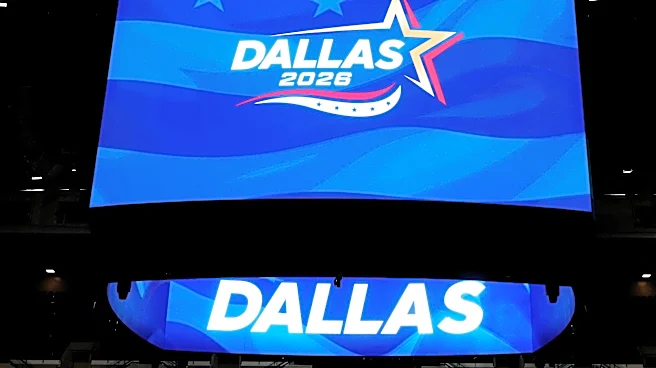
Dallas is implementing extensive street closures and heightened security measures in preparation for the Republican midterm convention, scheduled to take place at the American Airlines Center from September 9 to September 10. Beginning September 7 and lasting
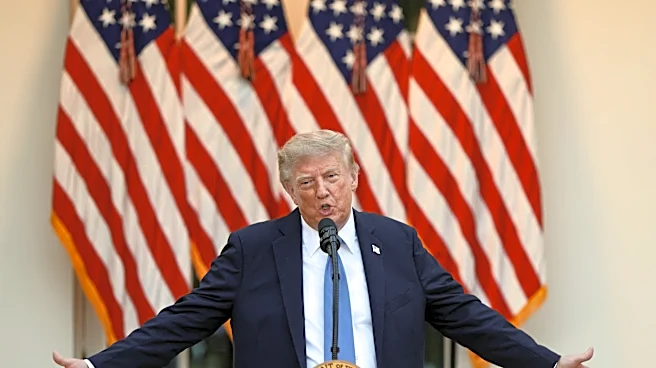
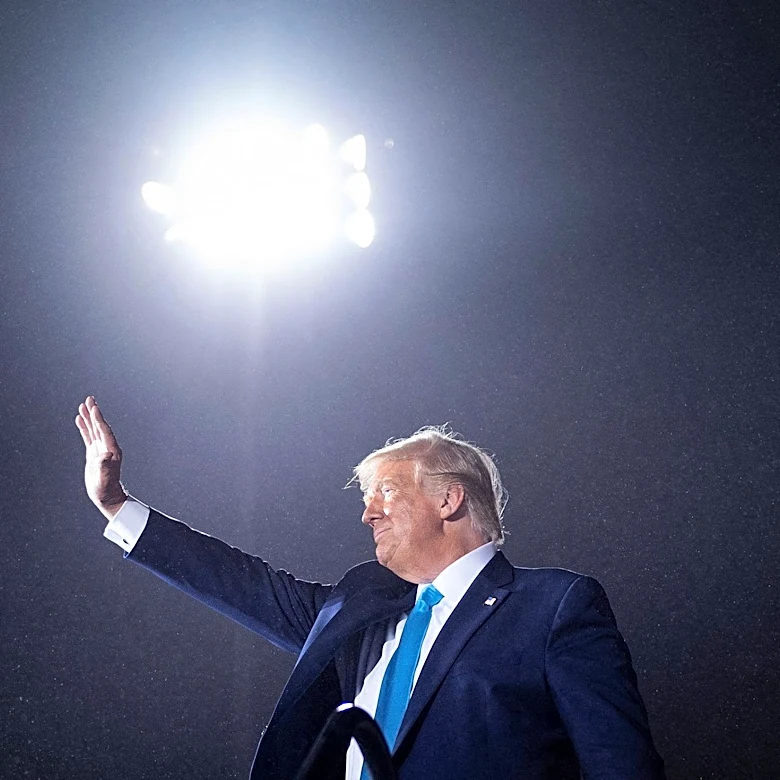
until midnight on September 11, several streets surrounding the venue will be closed, including Victory Avenue, North Houston Street, Nowitzki Way, Payne Street, and North Field Street. The DART Victory Park station will also be closed for the duration of the event, and ride-sharing services like Uber and Lyft will not be permitted within the designated "secure zone" around the convention. The Secret Service is overseeing security, requiring checkpoints for both foot and vehicle traffic. The city of Dallas estimates a cost of $1.8 million for the Dallas Police Department to provide security for the event. Crews have been observed installing temporary fencing, and Secret Service agents have been inspecting the area. The convention will feature segments on tax cuts, healthcare affordability, border issues, trade, and domestic manufacturing, with Vice President J.D. Vance keynoting the first night and President Trump keynoting the second night, appearing both nights.
Why It's Important?
The Republican midterm convention in Dallas signifies a significant political gathering that will bring national attention to the city and the Republican Party's agenda. The extensive security measures and street closures highlight the logistical challenges and financial commitment required to host such a high-profile event, impacting local traffic, public transportation, and daily routines for residents and businesses in the downtown area. The estimated $1.8 million security cost for the Dallas Police Department represents a substantial expenditure of taxpayer money, raising questions about the economic impact versus the benefits of hosting political conventions. The convention's focus on key policy areas like tax cuts, healthcare, and border issues indicates the party's priorities leading into the midterm elections, potentially influencing national political discourse and future legislative efforts. The presence of President Trump and Vice President Vance underscores the event's importance within the Republican political landscape.
What's Next?
The Republican midterm convention will officially begin at 3 p.m. on Wednesday, September 9, with events continuing through September 10. The street closures and DART station shutdown will remain in effect until midnight on September 11. Following the convention, Dallas city officials will likely assess the overall impact, including the effectiveness of security measures, the economic benefits (if any), and the disruption caused to local residents and businesses. The policy discussions and speeches delivered at the convention will likely be analyzed by political commentators and media outlets, shaping narratives around the Republican Party's platform and strategies for the upcoming midterm elections. The event's success or challenges could influence future decisions regarding Dallas's capacity to host large-scale political gatherings.
Beyond the Headlines
Beyond the immediate logistical and political implications, the Republican midterm convention in Dallas reflects broader trends in political mobilization and the increasing securitization of major political events. The significant investment in security, including Secret Service involvement and substantial local police resources, underscores the current climate of political polarization and the need to protect high-profile figures and attendees. The disruption to urban life, while temporary, also highlights the tension between civic engagement and the practicalities of city living. Culturally, such conventions serve as a platform for reinforcing party identity and rallying the base, but they can also draw protests and counter-demonstrations, further illustrating the diverse political landscape of the U.S. The policy discussions, while framed as beneficial, often represent deeply entrenched ideological positions that contribute to ongoing national debates and divisions.