




What's Happening?
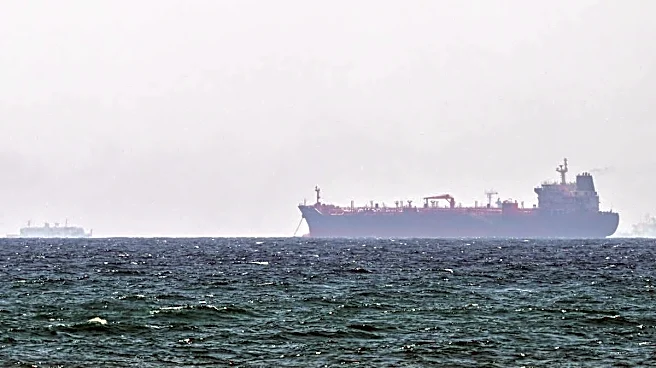
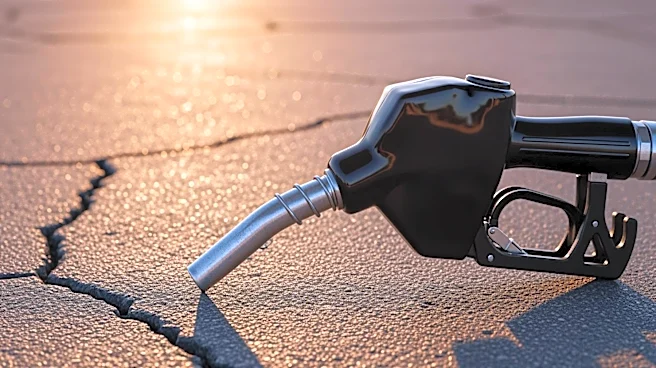
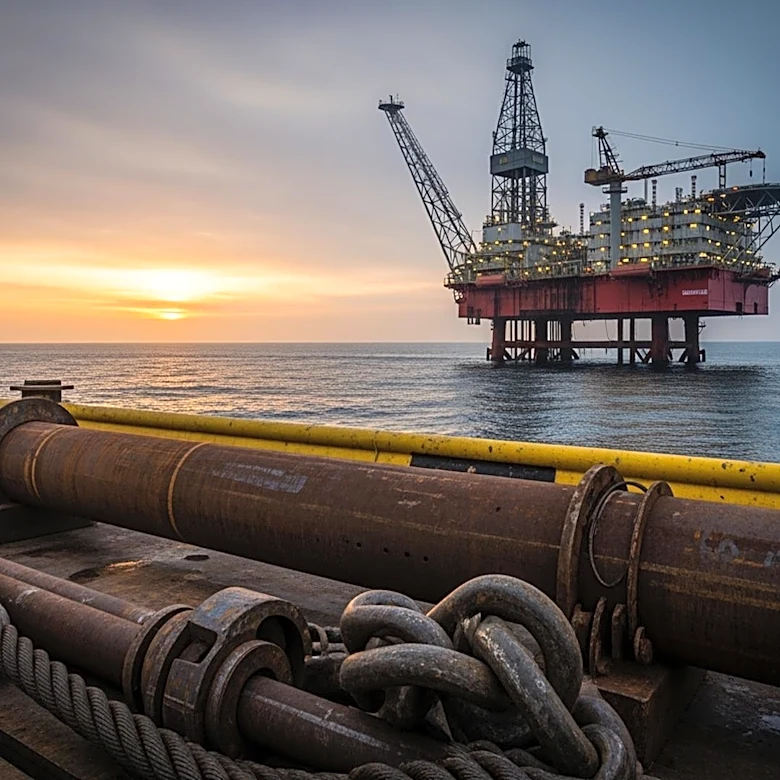
U.S. gas prices have surged to near four-year highs, with the average price per gallon reaching $4.55. This increase is linked to the conflict involving Iran, which has led to the closure of the Strait of Hormuz, a critical oil export route. The blockade
has caused a significant disruption in global oil supplies, resulting in a more than 50% increase in gas prices since the conflict began. Analysts warn that prices could reach $5 per gallon if the strait remains closed. Despite the high prices, President Trump has stated that his focus remains on preventing Iran from acquiring nuclear weapons, rather than on the financial impact on Americans.
Why It's Important?
The closure of the Strait of Hormuz represents one of the largest disruptions to oil supplies in history, highlighting the geopolitical risks associated with global energy markets. The increase in gas prices is expected to have widespread economic effects, particularly as Americans prepare for the Memorial Day weekend. Higher fuel costs could lead to increased transportation expenses and reduced disposable income for consumers, potentially affecting economic growth. The situation also emphasizes the need for energy security and the potential benefits of reducing reliance on volatile oil markets.
What's Next?
The future of gas prices largely depends on the resolution of the conflict and the reopening of the Strait of Hormuz. While President Trump has indicated a willingness to negotiate, the situation remains tense, and further escalation could lead to additional price increases. Stakeholders in the energy sector and government officials will likely continue to monitor the situation closely, seeking diplomatic solutions to stabilize the market.