


What's Happening?
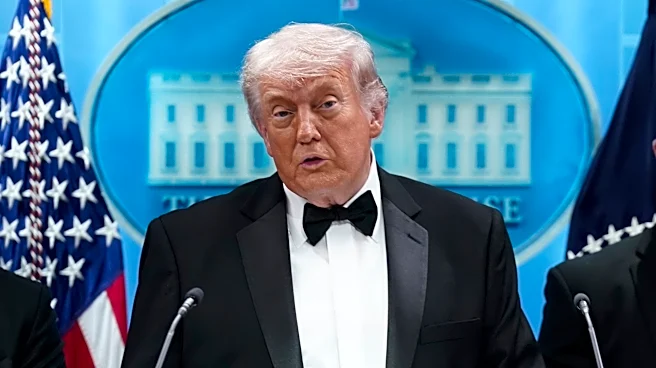
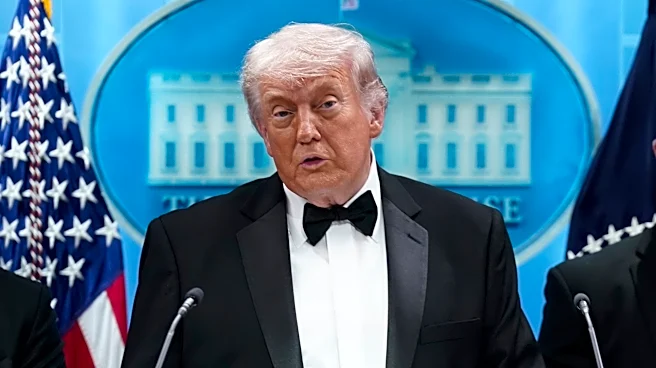
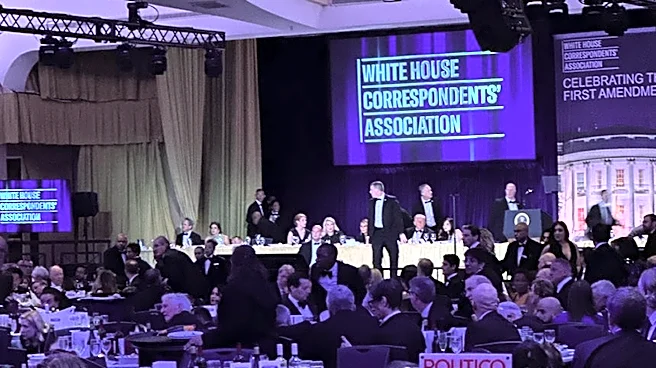
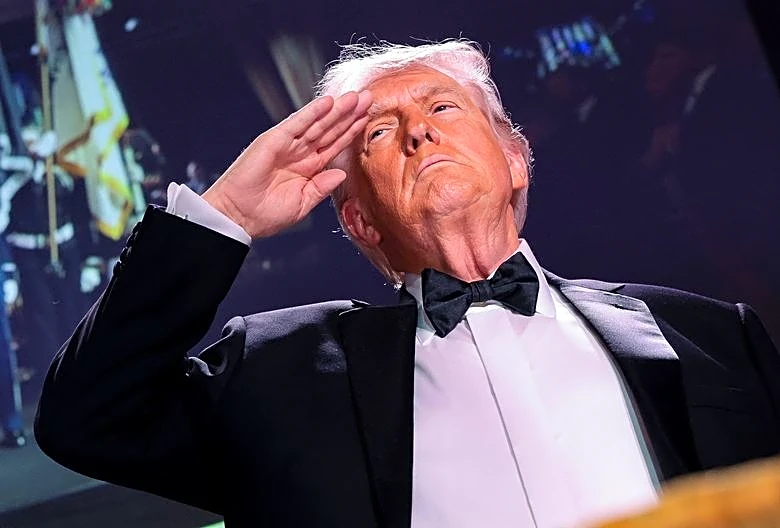
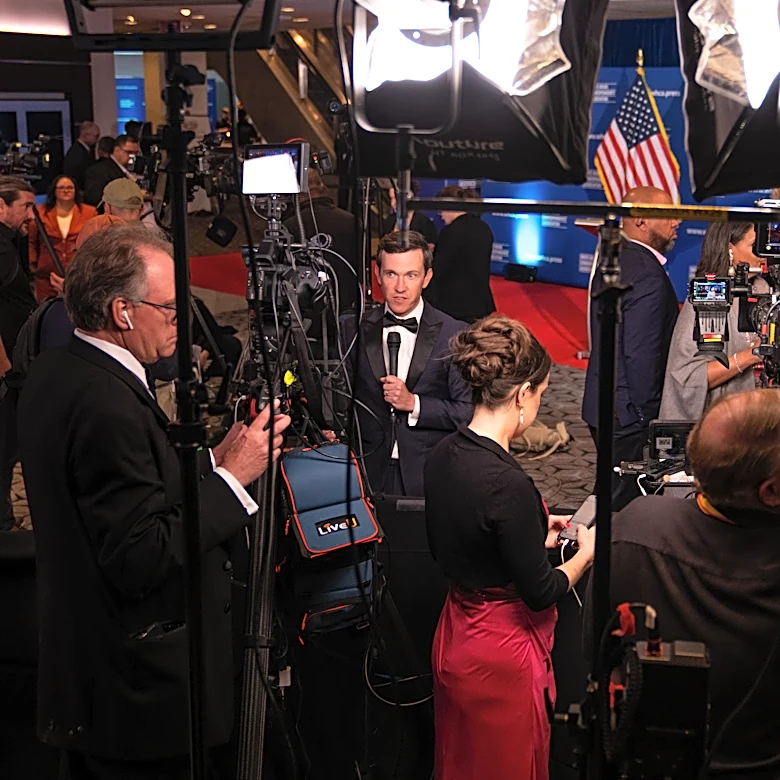
The White House correspondents' dinner, attended by President Trump, Vice President JD Vance, and several Cabinet members, was not designated as a National Special Security Event, which would have ensured the highest level of federal security. This decision
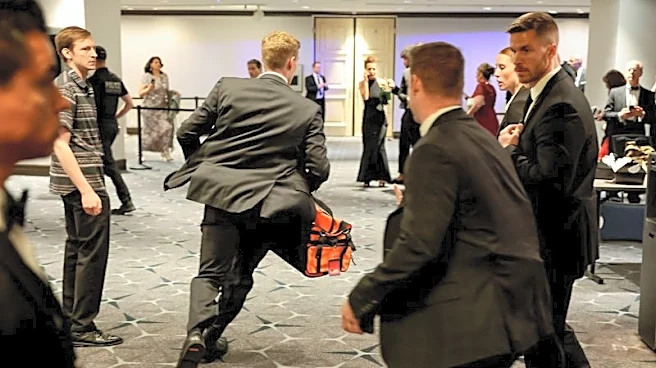
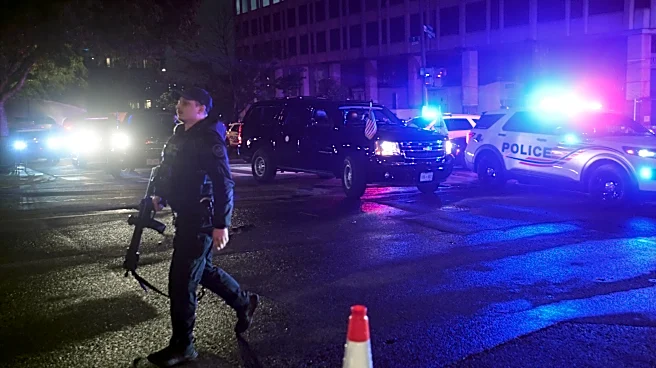
left the event vulnerable, as demonstrated when a gunman attempted to breach the security perimeter at the Washington Hilton Hotel. The suspect, Cole Tomas Allen, was apprehended before reaching the ballroom, but the incident raised concerns about the adequacy of security measures. The Secret Service was responsible for the immediate perimeter, while D.C. police managed road closures, leaving gaps in overall security coordination. The absence of a higher security designation was questioned by attendees and officials, with some calling for an investigation into the security protocols.
Why It's Important?
The security breach at the White House correspondents' dinner highlights potential vulnerabilities in protecting high-ranking officials during public events. The lack of a National Special Security Event designation, which is typically reserved for events with regular presidential attendance, left the gathering exposed to potential threats. This incident underscores the need for reassessing security protocols for events involving key government figures, especially in light of past security failures, such as the January 6 Capitol breach. The situation raises questions about the criteria used to determine security levels and the coordination between federal and local law enforcement agencies. Ensuring the safety of government officials is crucial for maintaining public confidence in national security measures.
What's Next?
In response to the security incident, the White House Correspondents' Association (WHCA) plans to review the events and assess future security needs. There may be increased pressure on the Department of Homeland Security and the Secret Service to reevaluate the criteria for designating events as National Special Security Events. Lawmakers and security experts might push for more stringent security measures at similar gatherings to prevent future incidents. The WHCA and other stakeholders will likely engage in discussions with federal agencies to ensure comprehensive security coverage for future events involving high-profile attendees.
Beyond the Headlines
The incident at the correspondents' dinner also brings to light the broader implications of security planning for public events. It raises ethical questions about the balance between accessibility and security, especially when events are meant to celebrate democratic values like the First Amendment. The potential for such events to become targets for political violence necessitates a careful examination of how security measures can be enhanced without compromising the openness and inclusivity that these gatherings represent. Additionally, the incident may influence public perception of the effectiveness of current security protocols and the government's ability to protect its leaders.