




What's Happening?
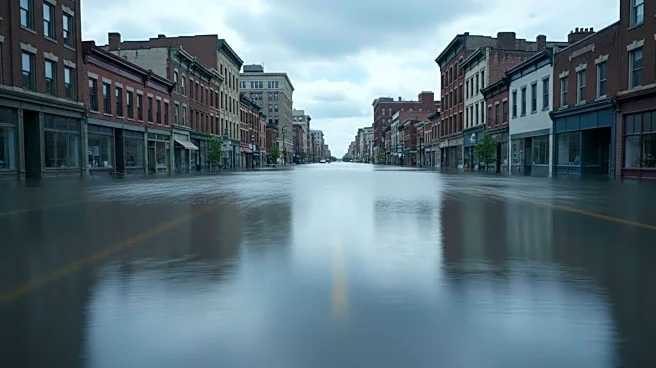
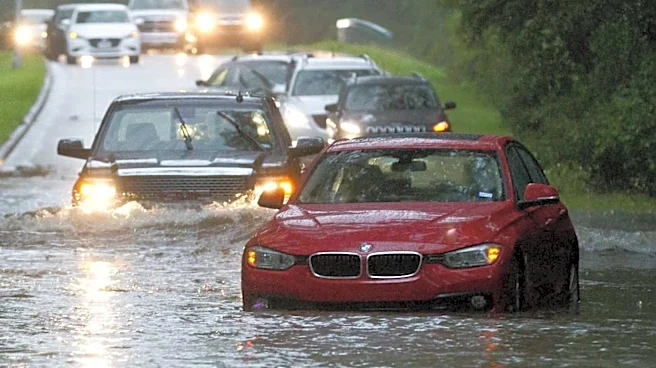
Heavy rain and flooding have disrupted a heat wave that recently affected New York City and much of the Northeast. On Monday, flash flood warnings were issued for parts of New York, Philadelphia, and New Jersey as storms swept through the region. The
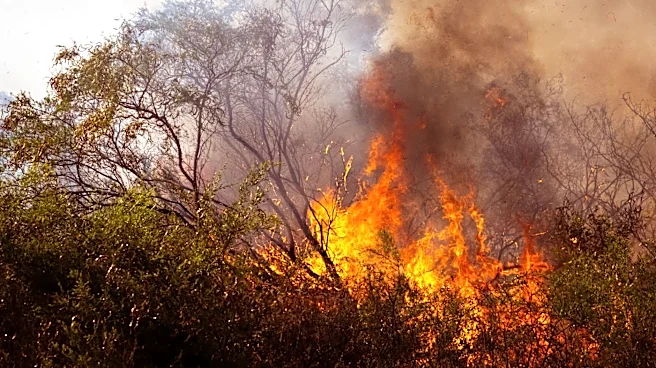
severe weather led to significant disruptions, including stranded vehicles on flooded highways in northern New Jersey and a partial roof collapse at a BJ’s Wholesale Club in Ocean Township. Fortunately, no injuries were reported, although two individuals were briefly trapped. The heat wave had previously set record temperatures, with LaGuardia Airport in New York reaching 104 degrees Fahrenheit. The extreme heat also resulted in at least 29 potential heat-related deaths in New Jersey, pending further investigation.
Why It's Important?
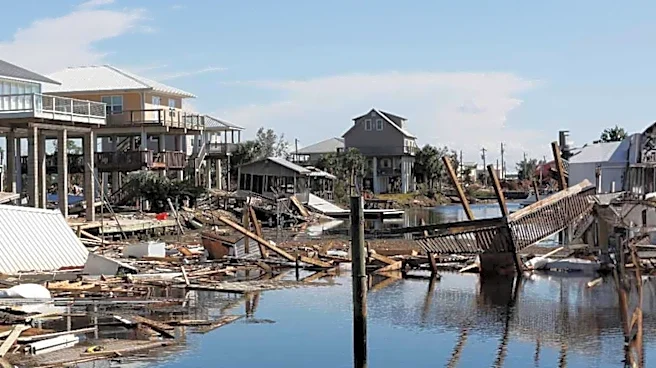
The recent weather events highlight the vulnerability of urban areas to extreme weather conditions, such as heat waves and flash floods. The heat wave posed significant health risks, particularly to individuals without access to air conditioning, as evidenced by the potential heat-related deaths in New Jersey. The flooding underscores the need for effective urban planning and infrastructure capable of handling severe weather. These events also raise concerns about climate change and its role in increasing the frequency and intensity of such weather patterns. The impact on transportation and infrastructure, as seen with the highway flooding and roof collapse, further emphasizes the need for preparedness and resilience in the face of extreme weather.
What's Next?
Authorities are likely to continue monitoring the situation closely, with potential investigations into the heat-related deaths in New Jersey. Efforts to restore power to the affected areas will be a priority, as approximately 450,000 people were left without electricity due to storm damage. In the longer term, these events may prompt discussions on improving infrastructure resilience and emergency response strategies to better handle future extreme weather events. Public awareness campaigns on heat safety and flood preparedness could also be anticipated as part of broader efforts to mitigate the impact of such events.