
What's Happening?
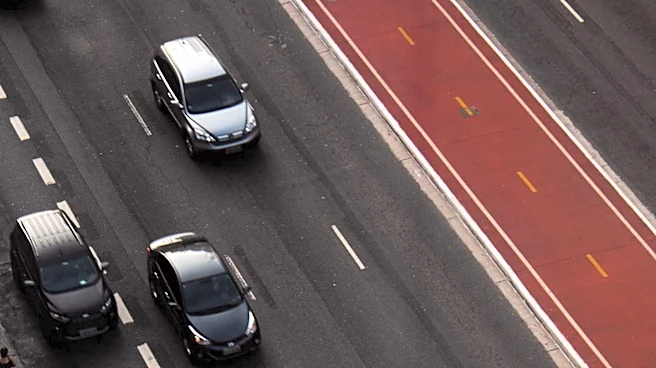
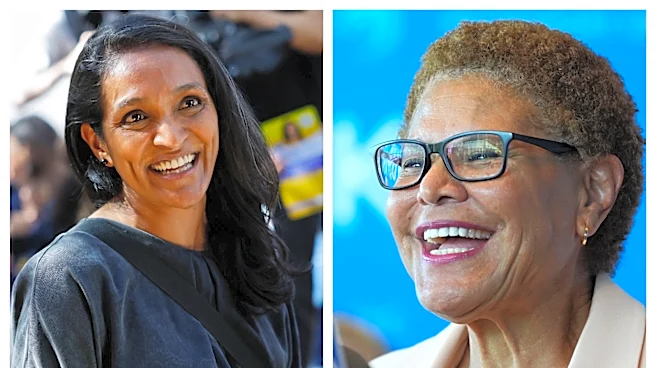
Los Angeles Mayor Karen Bass has stopped a plan to remove a traffic lane in each direction on a one-mile stretch of Forest Lawn Drive to make way for improved, protected bike lanes. This decision came in May after significant opposition from cemeteries,
neighborhood councils, and clergy leaders who argued that reducing traffic lanes would exacerbate congestion, particularly given the high volume of funeral processions and visitors to Forest Lawn-Hollywood Hills and Mount Sinai Memorial Park. The proposed changes were part of a citywide mobility plan aimed at enhancing road safety and updating bike infrastructure. Councilmember Nithya Raman, whose district includes the street, has criticized Mayor Bass's decision, especially following a recent fatal crash on Forest Lawn Drive, asserting that the road remains dangerous and the safety measures are urgently needed. The Los Angeles Department of Transportation (LADOT) had found that roughly half of the cars on this stretch exceed the 45-mph speed limit, and the proposed changes were intended to slow drivers, adding less than two minutes to travel time.
Why It's Important?
This situation highlights a significant conflict between urban development goals, specifically promoting active transportation and road safety, and community concerns regarding traffic flow and accessibility. The decision by Mayor Bass to halt the project underscores the political complexities of implementing infrastructure changes that impact daily life and local businesses. For residents and visitors to the cemeteries, the potential for increased traffic congestion during emotional times, such as funeral services, is a major concern. Conversely, advocates for safe streets and bike lanes argue that delaying or canceling such projects compromises public safety and hinders the city's broader goals of reducing vehicular reliance and promoting sustainable transportation. The debate also brings to light the challenge of balancing the needs of different road users—motorists, cyclists, and pedestrians—in a densely populated urban environment like Los Angeles.
What's Next?
Mayor Bass has directed city traffic engineers to develop an alternative plan that would incorporate protected bike lanes without eliminating existing traffic lanes. The mayor's office indicated that new designs, which will include signal modifications to increase safety, are being proposed and are expected to be more appropriate for the area. The deadline for finalizing a new plan was July 10, and transportation officials are anticipated to present these revised designs soon. Councilmember Raman and safe street advocates will likely continue to push for the implementation of protected bike lanes and other safety measures, emphasizing the ongoing dangers of Forest Lawn Drive. The community, including cemetery representatives and neighborhood councils, will be closely watching the new proposals to ensure their concerns about traffic congestion are adequately addressed.
Beyond the Headlines
The dispute over Forest Lawn Drive reflects a broader national conversation about urban planning, road safety, and the integration of various modes of transportation. It exposes the tension between top-down policy initiatives aimed at improving public health and environmental sustainability, and grassroots community resistance rooted in immediate practical concerns and quality of life. The emotional context of the area, with its significant cemetery traffic, adds a unique layer of complexity, making the community particularly sensitive to disruptions. This case could set a precedent for how Los Angeles, and potentially other major U.S. cities, navigate similar conflicts, emphasizing the need for comprehensive community engagement and flexible planning that can adapt to diverse local needs while still advancing broader urban development goals. The outcome will likely influence future infrastructure projects and the balance between motorist convenience and the safety of vulnerable road users.