




What's Happening?
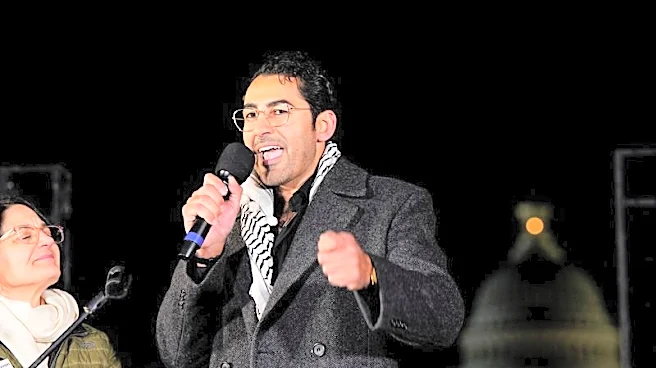
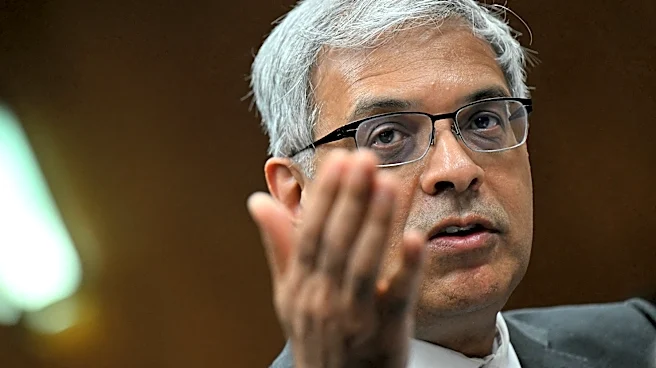
A U.S. appeals court has rejected an attempt by President Trump's administration to re-detain Badar Khan Suri, a Georgetown University scholar and Indian citizen, who was previously arrested for his pro-Palestinian activism. The 4th U.S. Circuit Court
of Appeals ruled 2-1 that federal immigration law did not prevent a lower-court judge from ordering Suri's release, as his detention was claimed to violate his due process and free speech rights under the U.S. Constitution. Suri was initially arrested in March 2025 as part of a broader campaign by the Trump administration to detain and deport foreign nationals involved in pro-Palestinian activism on college campuses. The court's decision contrasts with other federal appeals courts that have overturned similar lower-court decisions. The Department of Homeland Security has not commented on the ruling.
Why It's Important?
This ruling underscores the ongoing legal and political tensions surrounding immigration enforcement and free speech rights in the U.S. The decision highlights the judiciary's role in checking executive actions, particularly those perceived as infringing on constitutional rights. The case also reflects broader debates over the treatment of activists and the balance between national security and civil liberties. The outcome may influence future immigration policies and the legal landscape for activists, potentially affecting U.S. foreign relations and domestic policy regarding free speech and immigration.
What's Next?
The ruling may prompt further legal challenges and appeals, potentially reaching the Supreme Court if the Trump administration seeks to contest the decision. It could also lead to increased scrutiny of immigration enforcement practices and policies targeting activists. Advocacy groups may use this case to bolster efforts to protect activists' rights, while the administration might explore alternative legal strategies to pursue its immigration objectives.