









What's Happening?
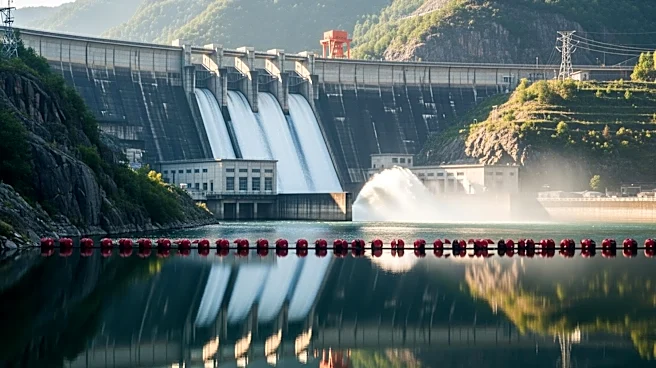
Federal water managers have initiated emergency actions to address critically low water levels at Lake Powell, the nation's second-largest reservoir. The U.S. Bureau of Reclamation (USBR) is transferring water from the Flaming Gorge Reservoir to Lake Powell and
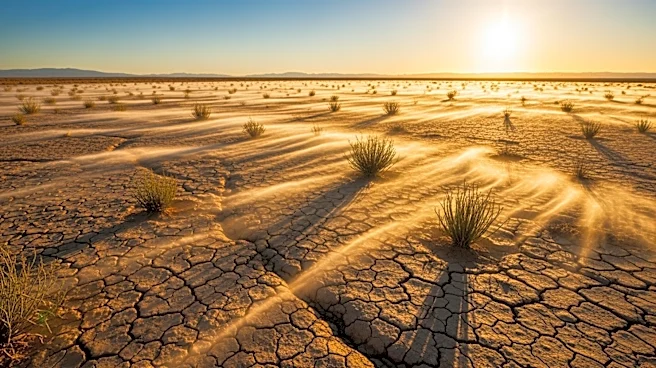
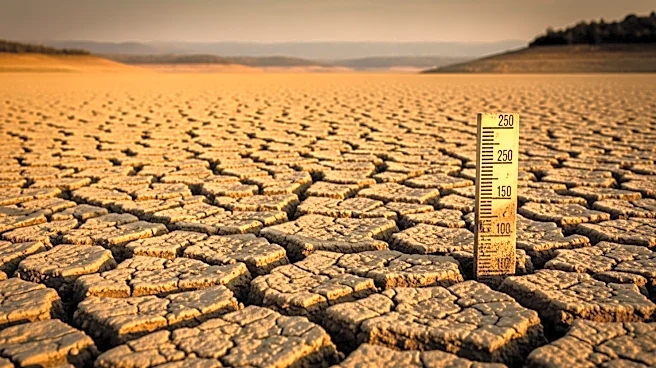
reducing water releases to Lake Mead. This decision comes amid a severe drought affecting the Colorado River system, which is currently at 36% of its capacity. The low water levels threaten hydropower production at Glen Canyon Dam and could disrupt water deliveries to California, Arizona, and Nevada. The USBR plans to lower Glen Canyon Dam releases to 6 million acre-feet through late September and release between 660,000 and 1 million acre-feet from Flaming Gorge over the next year.
Why It's Important?
The Colorado River system is crucial for irrigating over 5 million acres of farmland and providing water to tens of millions of people in the western United States. The current drought conditions, exacerbated by record-low snowpack and warm temperatures, pose significant risks to water and power infrastructure. If Lake Powell's water level falls below 3,490 feet, it could lead to operational issues and reduce power generation, impacting the Western power grid. The USBR's actions aim to prevent these outcomes by raising Lake Powell's elevation to at least 3,500 feet by April 2027.
What's Next?
The USBR's measures could accelerate the decline of water levels at Lake Mead, potentially reducing Hoover Dam's hydropower generation capacity by up to 40% as early as this fall. Additionally, the drought response measures may affect recreational activities in the region, including boating and fishing restrictions. Stakeholders, including state governments and water users, will need to adapt to these changes and continue monitoring the situation closely.