



What's Happening?
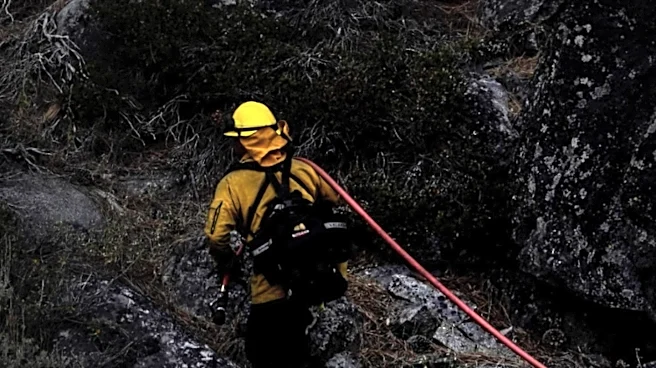
Firefighters and residents in the Great Basin and Southwest are preparing for extreme wildfire conditions as the National Weather Service in Salt Lake City has issued a rare 'particularly dangerous situation' red flag warning. This warning, unprecedented
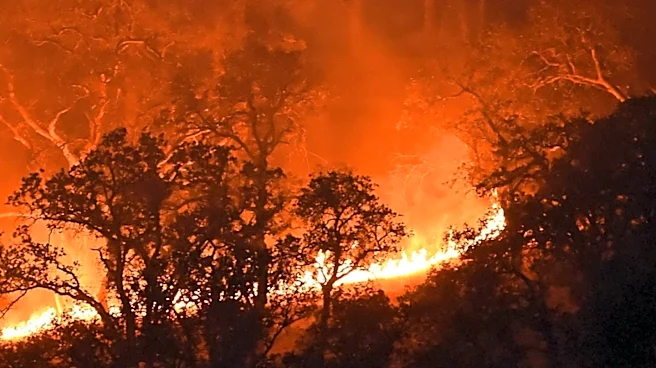
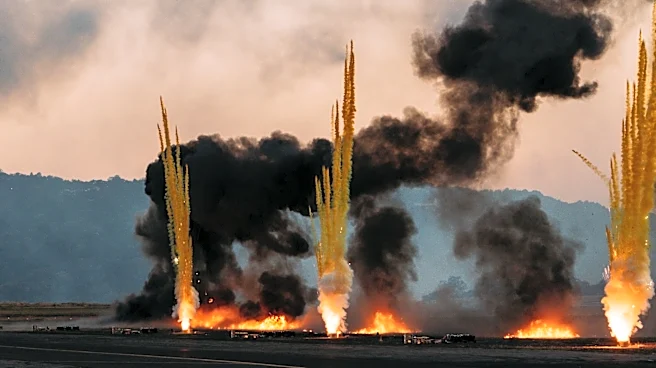
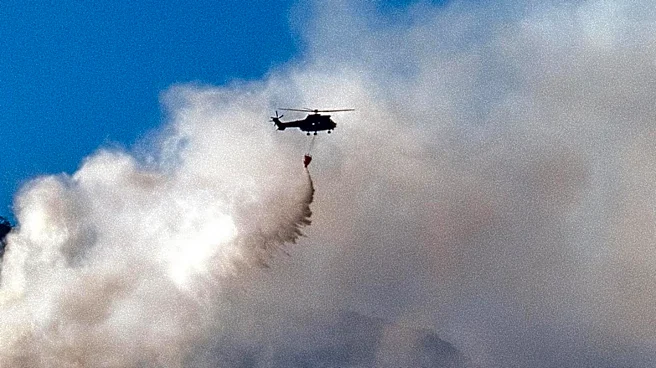
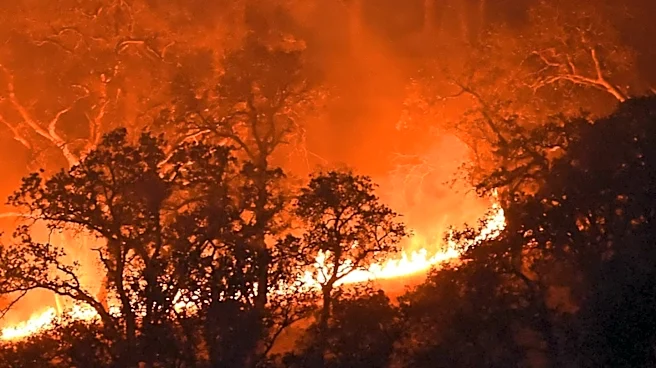
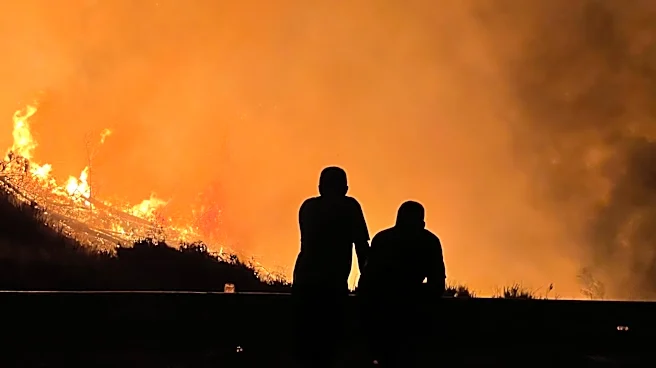
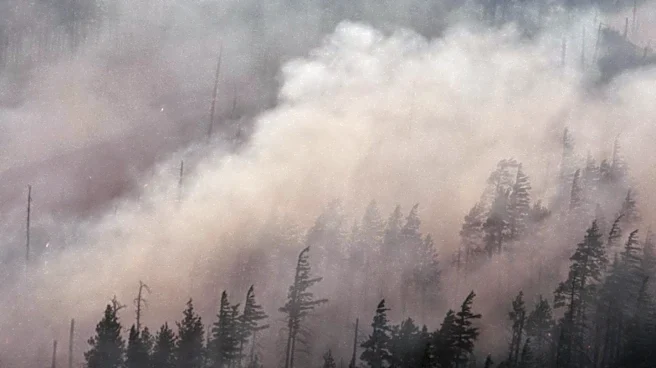
in the office's history, is due to a combination of high winds, temperatures, and low humidity levels. The Cottonwood Fire, currently the largest wildfire in the U.S., is burning in a sparsely populated area of southern Utah. The challenging conditions, including single-digit humidity and wind gusts up to 45 miles per hour, are complicating efforts to contain the fire. The region is experiencing widespread drought after an unusually dry winter, with Utah's snowpack at its lowest recorded level. The fire has already burned an area larger than Salt Lake City and remains uncontained. Utah Governor Spencer Cox has issued an emergency order restricting firework displays through the Fourth of July to mitigate further risks.
Why It's Important?
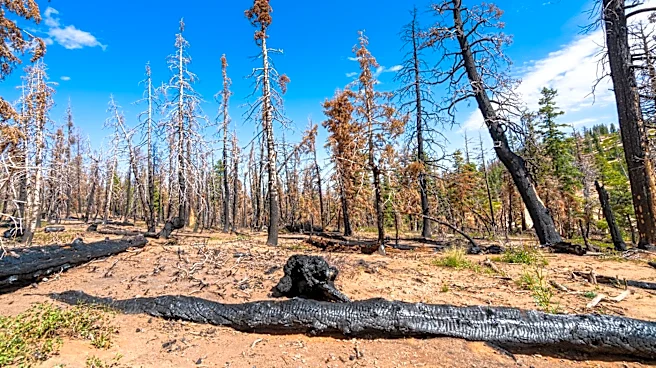
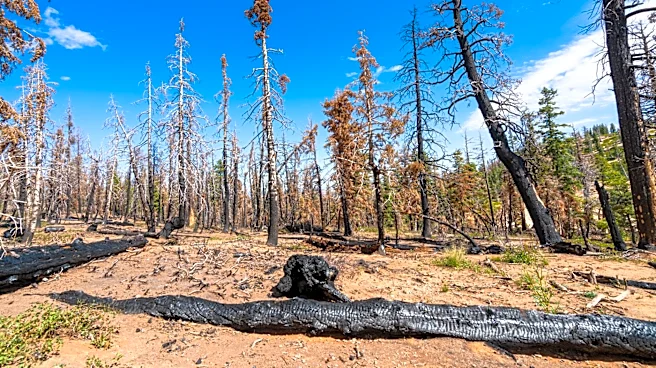
The situation underscores the increasing severity and frequency of wildfires in the U.S., exacerbated by human activities and climate change. The Cottonwood Fire's impact is significant, threatening ecosystems and communities while straining firefighting resources. The drought conditions and early snowmelt highlight the broader environmental challenges facing the region. The economic implications are also considerable, with potential losses in tourism and increased costs for firefighting and recovery efforts. The emergency measures, such as restricting fireworks, reflect the urgent need for proactive strategies to manage and mitigate wildfire risks.
What's Next?
Firefighters may receive some relief with forecasted cooler temperatures and higher humidity next week, which could aid containment efforts. However, the ongoing drought and multiple large fires in the region continue to pose significant challenges. The emergency restrictions on fireworks are expected to remain in place through the holiday period, aiming to prevent additional fire outbreaks. Long-term, the situation calls for enhanced wildfire management strategies and policies to address the root causes of increased fire severity, including climate change and land management practices.
Beyond the Headlines
The increasing frequency of severe wildfires raises questions about land management and climate adaptation strategies. The historical approach of aggressive wildfire suppression has led to overgrown forests, which, combined with climate change, contribute to more destructive fires. This situation highlights the need for a shift towards sustainable land management practices that balance ecological needs with fire risk reduction. The socioeconomic impacts of wildfires, including property loss and health risks from smoke, further emphasize the importance of comprehensive policy responses.