

What's Happening?
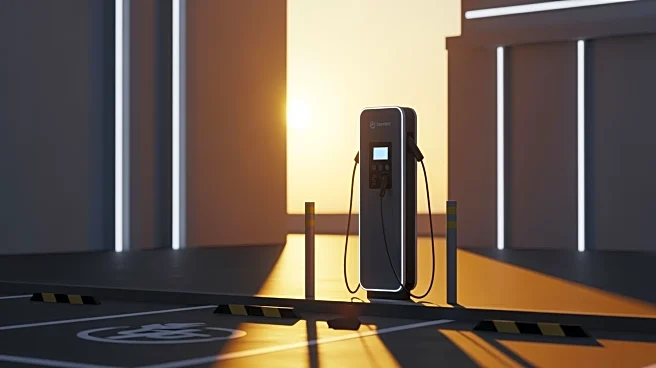
California Governor Gavin Newsom has proposed a $200 million state-level electric vehicle (EV) tax rebate in an effort to boost EV adoption within the state. This move comes as the federal government, under President Trump's administration, has taken
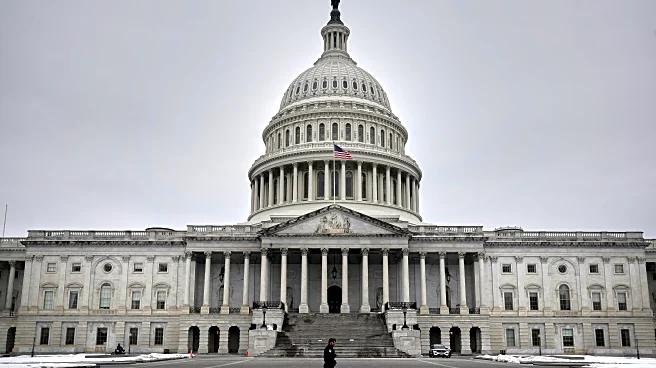
steps that are perceived to hinder EV adoption, such as ending the federal $7,500 EV tax credit and removing incentives for automakers to meet fuel efficiency standards. California has a history of supporting EVs through its Clean Vehicle Rebate Project, which ended in 2023. The expiration of both state and federal incentives has led to a significant drop in EV sales nationwide. Newsom's proposal aims to fill the gap left by the federal incentives, but it faces potential challenges from the federal government, which may oppose state-level emissions rules and tie federal highway funding to non-discriminatory infrastructure policies.
Why It's Important?
The proposed EV tax rebate by Governor Newsom is significant as it highlights the ongoing tension between state and federal policies regarding environmental and energy initiatives. California's efforts to promote EV adoption are crucial for reducing greenhouse gas emissions and combating climate change. However, the federal government's opposition could undermine these efforts, affecting the state's ability to meet its environmental goals. The outcome of this policy clash could set a precedent for other states looking to implement similar measures. Additionally, the federal stance may impact automakers and consumers, potentially slowing down the transition to cleaner transportation options and affecting the broader market for electric vehicles.
What's Next?
If the federal government challenges California's initiative, it could lead to legal battles over state versus federal authority in setting emissions standards and offering incentives. California and other pro-EV states may need to develop coordinated legal and regulatory strategies to defend their policies. The outcome of these potential disputes could influence future state-level environmental policies and the national approach to clean energy and transportation. Stakeholders, including automakers, environmental groups, and policymakers, will be closely monitoring the situation to assess its impact on the EV market and environmental regulations.