




What's Happening?
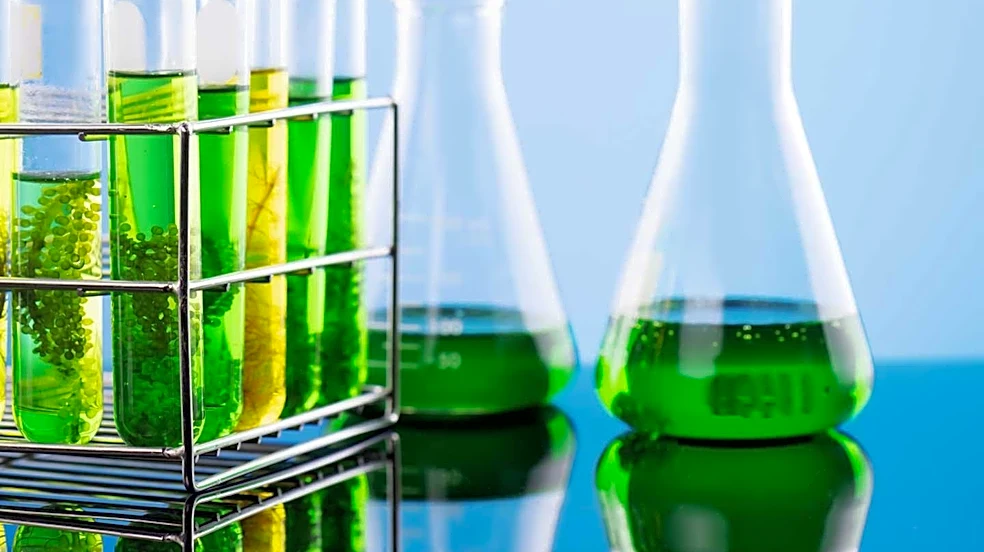
Scientists have developed a novel drug delivery system utilizing spiral-shaped microalgae, specifically Spirulina platensis, to enhance the effectiveness of rifaximin, a common antibiotic used to treat hepatic encephalopathy. Hepatic encephalopathy is a severe
complication of liver failure characterized by cognitive impairment and neuroinflammation, primarily caused by the buildup of ammonia in the blood. Rifaximin targets gut bacteria that produce ammonia, but its efficacy is limited due to poor water solubility and short retention time in the gut. Researchers, led by Zhe Tang from Zhejiang University, encapsulated rifaximin within biodegradable nanoparticles, which were then loaded onto spirulina. This system demonstrated sustained drug release for up to eight hours in laboratory tests and significantly increased rifaximin's antibacterial activity against E. coli. In mice models of hepatic encephalopathy, daily treatment with the spirulina-based system for two weeks lowered ammonia levels in both the bloodstream and the brain, protected hippocampal neurons, and improved brain function, whereas rifaximin alone showed no significant improvements.
Why It's Important?
This research holds significant implications for the treatment of hepatic encephalopathy, a debilitating condition with limited effective therapies. By improving the delivery and efficacy of rifaximin, the spirulina-based system could offer a more potent and sustained approach to managing ammonia buildup, which is central to the disease's pathology. The ability of spirulina to not only act as a drug carrier but also contribute therapeutic benefits through its natural antioxidant, anti-inflammatory, and immune-modulating properties is particularly noteworthy. This multi-faceted approach could lead to better patient outcomes, reducing the severity of cognitive impairment and neuroinflammation associated with liver failure. Furthermore, the study highlights the potential of microalgae as a versatile platform for drug delivery, opening new avenues for developing treatments for other gastrointestinal and systemic conditions where targeted and sustained drug release is beneficial.
What's Next?
The promising results from laboratory and mouse studies indicate that the next steps will likely involve further preclinical development and, eventually, human clinical trials to assess the safety and efficacy of this spirulina-based drug delivery system. Researchers will need to optimize the formulation, determine appropriate dosages, and thoroughly evaluate potential side effects in humans. Additionally, further investigation into the precise mechanisms by which spirulina enhances the therapeutic effects of rifaximin, beyond just drug delivery, will be crucial. Understanding the interconnected roles of the liver, gut, and brain in hepatic encephalopathy, as suggested by Tang, will also be a key area of future research. If successful, this innovative approach could lead to a new therapeutic option for patients suffering from hepatic encephalopathy, potentially improving their quality of life and reducing the burden of this complex disease.
Beyond the Headlines
This development represents a fascinating intersection of biotechnology, pharmacology, and natural product research. The use of a common nutritional supplement like spirulina as a sophisticated drug delivery vehicle underscores a growing trend in medicine to explore natural compounds and organisms for therapeutic applications. It also highlights the potential for 'green' and sustainable approaches in pharmaceutical development, leveraging biological systems that are environmentally friendly. The success of this system could inspire similar research into other microalgae or natural carriers for various drugs, potentially leading to a new generation of more effective and less toxic treatments. Ethically, the use of a natural product might also be perceived more favorably by some patients, potentially increasing adherence to treatment. This research could also stimulate further exploration into the gut-brain axis and the role of the microbiome in neurological disorders, expanding our understanding of complex disease pathways.