




What's Happening?
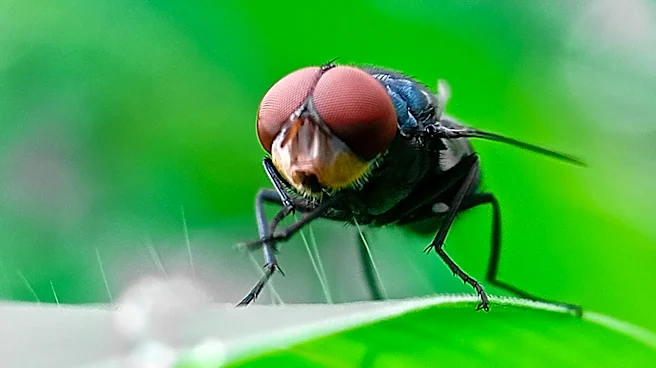
U.S. Secretary of Agriculture Brooke L. Rollins announced a $25 million investment to establish a sterile fly dispersal facility in Arizona. This initiative aims to combat the New World screwworm, a pest threatening livestock. The announcement was made
during Secretary Rollins' visit to the Douglas, Arizona, Port of Entry, where she was joined by several Arizona representatives, including Juan Ciscomani. The facility is part of a broader USDA strategy to enhance animal health safeguards and protect American agriculture. The Douglas Port of Entry is set to reopen for livestock trade on August 24, following rigorous inspection protocols to ensure cattle are free from screwworm. The new facility will complement existing efforts in Texas, Mexico, and Panama, strengthening the USDA's capacity to respond to pest threats.
Why It's Important?
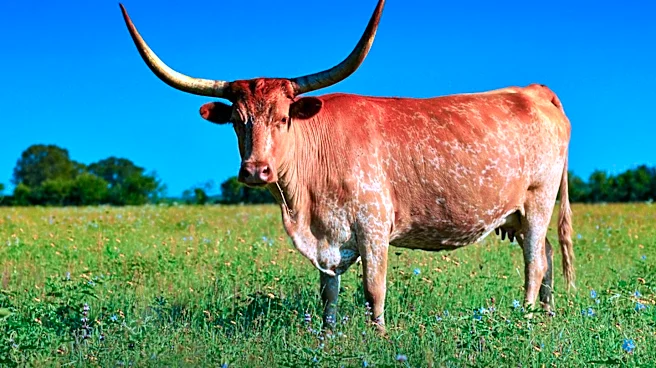
The establishment of the sterile fly dispersal facility is a critical step in safeguarding the U.S. livestock industry from the New World screwworm, which poses significant economic and health risks. The investment reflects the USDA's commitment to protecting American agriculture and ensuring the safety of livestock trade. By enhancing inspection protocols and dispersal capabilities, the USDA aims to prevent the spread of screwworm and protect ranchers' livelihoods. The facility will also bolster the U.S.'s ability to respond to pest threats along the Southwest border, ensuring long-term agricultural sustainability and security.
What's Next?
The USDA will work closely with Arizona state leaders to determine the facility's location and operational plan. Construction could be completed within months, depending on site selection and infrastructure availability. The reopening of the Douglas Port of Entry will be closely monitored, with phased reopening plans for other ports contingent on Mexico's adherence to joint action plans. The USDA will continue to assess risk profiles and adjust plans as necessary to protect the livestock industry. Ongoing collaboration with state and local stakeholders will be crucial in implementing effective pest control measures.