
What's Happening?
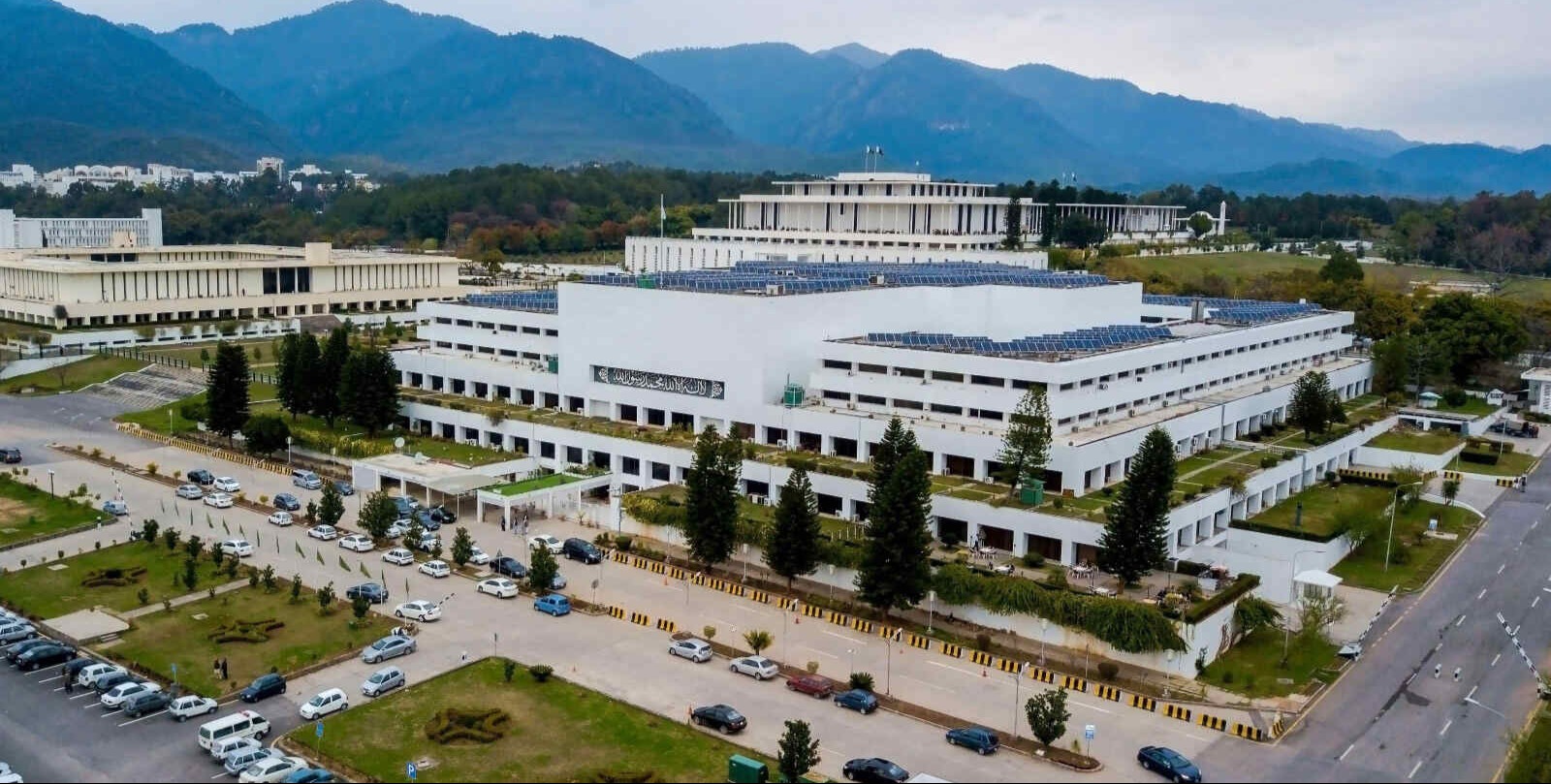
Pakistan's Prime Minister Shehbaz Sharif and Field Marshal Asim Munir have been actively seeking international loans to address the country's severe economic challenges. Speaking at an event in Islamabad,
Sharif expressed the humiliation associated with Pakistan's reliance on foreign loans, which often come with difficult conditions. He acknowledged the support of key allies like China, Saudi Arabia, the UAE, and Qatar, while emphasizing the need for Pakistan to achieve economic self-sufficiency. The country is grappling with a significant debt crisis, with public debt exceeding Rs 76,000 billion. Pakistan's dependence on IMF bailouts and loans, particularly for projects like the China-Pakistan Economic Corridor, underscores the urgency of the situation.
Why It's Important?
The economic situation in Pakistan has far-reaching implications for regional stability and international relations. The country's reliance on foreign loans and IMF programs highlights vulnerabilities in its economic structure, which could affect its geopolitical standing and influence. The ongoing debt crisis poses risks to economic growth and development, potentially impacting trade and investment in the region. The situation also underscores the importance of sustainable economic policies and the need for structural reforms to reduce dependency on external financial assistance.