





What's Happening?
A bipartisan group of Minnesota lawmakers, including U.S. Senators Amy Klobuchar and Tina Smith, and Representatives Betty McCollum, Pete Stauber, Angie Craig, Brad Finstad, and Kelly Morrison, has sent a letter to Federal Emergency Management Agency
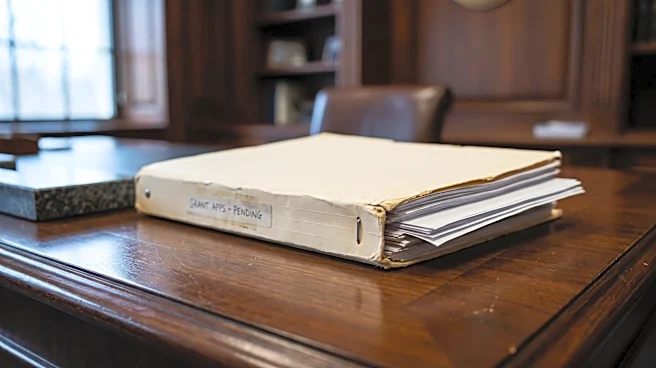
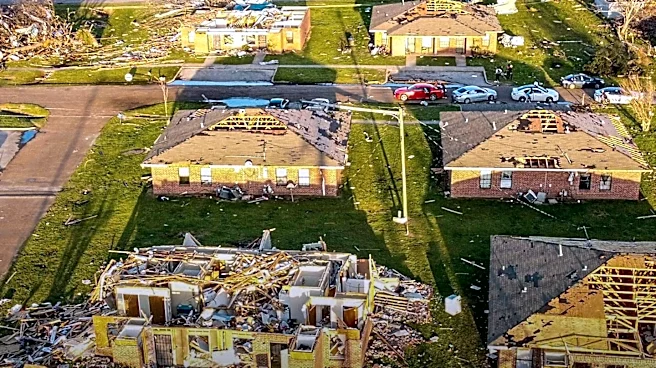
(FEMA) Administrator Cameron Hamilton. The letter addresses significant delays and disruptions in federal disaster mitigation and response funding for Minnesota communities. Specifically, FEMA has not yet awarded any of Minnesota’s 11 Hazard Mitigation Grant Program (HMGP) applications related to the 2024 storms and flooding, despite more than two years having passed since the disaster. These pending grants are crucial for mitigation projects in areas such as Blue Earth and Rock Counties, and the cities of Wabasha and Winona. The lawmakers are requesting a definitive timeline for these funding decisions and a clarification of the criteria and process for grant reviews.
Why It's Important?
The prolonged delay in federal disaster funding poses a substantial challenge to Minnesota communities still recovering from the 2024 storms and flooding. Local governments are operating under constrained resources, and the absence of timely federal assistance strains their ability to undertake critical recovery and mitigation efforts. This situation impacts the financial stability of these communities and their capacity to prepare for future disasters. Furthermore, the letter highlights other unpaid funds, such as Minnesota’s FY23 Building Resilient Infrastructure & Communities (BRIC) management costs and Public Assistance for pandemic-related expenses, raising concerns about FEMA's ability to meet its obligations. If these funds are not disbursed promptly, Minnesota could be left responsible for emergency protective measures and other costs that the federal government is mandated to reimburse, potentially leading to significant financial burdens on the state and its taxpayers.
What's Next?
The Minnesota congressional delegation is pressing FEMA Administrator Hamilton for a swift response, requesting a definitive timeline for funding decisions and a clear explanation of the grant review process. They have also asked for a written explanation and timeline for corrective action if there are any concerns or barriers preventing payment. The outcome of this appeal will determine when Minnesota communities can access the much-needed federal resources for disaster recovery and mitigation. Continued delays could lead to further financial strain on local governments and potentially impact their long-term resilience against natural disasters. The lawmakers' bipartisan effort underscores the urgency of the situation and the widespread impact of these funding delays across the state.
Beyond the Headlines
The issue of delayed federal disaster funding extends beyond immediate financial concerns, touching upon the broader effectiveness and responsiveness of federal agencies in supporting states during crises. The lack of transparency regarding timelines and criteria for grant approvals can erode public trust and create uncertainty for communities attempting to rebuild. This situation also highlights potential systemic issues within FEMA's grant distribution process, which could have implications for other states facing similar challenges. The call for clarity and accountability from the Minnesota delegation could prompt a review of FEMA's procedures, potentially leading to reforms that ensure more efficient and timely delivery of aid in future disaster scenarios, thereby strengthening national disaster preparedness and response mechanisms.