






What's Happening?
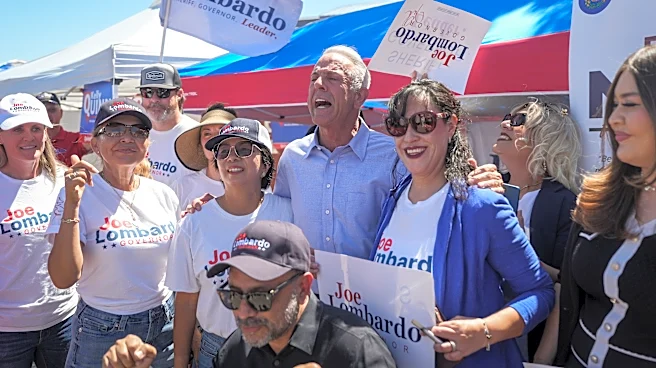
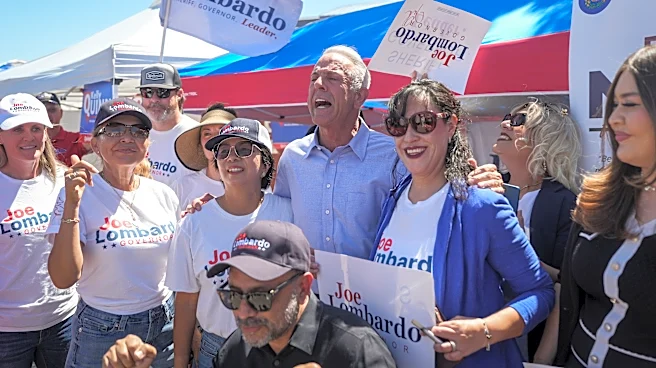
Nevada is holding its midterm primaries, with significant races including the gubernatorial contest and U.S. House seats. Governor Joe Lombardo faces six Republican challengers, while six Democrats vie for their party's nomination. The gubernatorial race is a focal
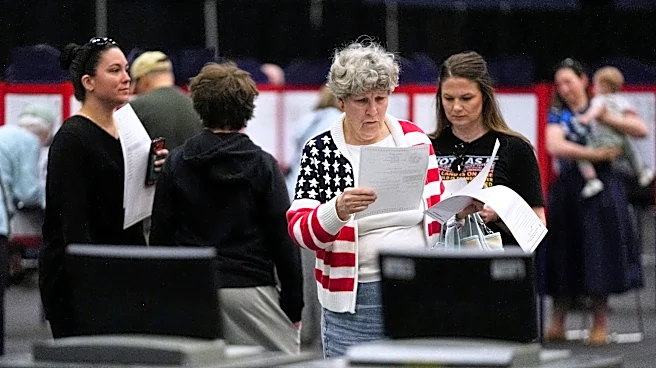
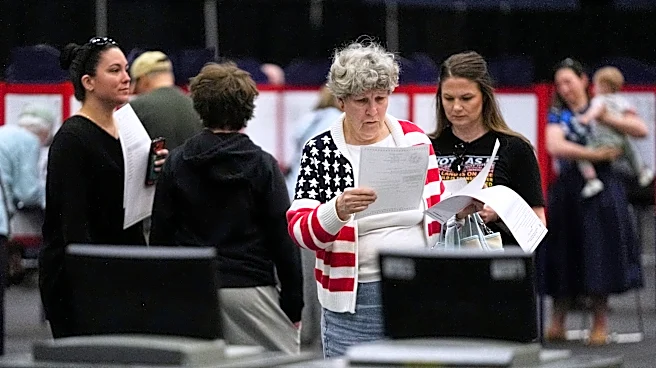
point due to its potential impact on the 2028 presidential campaign. In the U.S. House races, the 2nd District is open as Republican Mark Amodei is not seeking reelection. The Democratic incumbents in other districts face competitive races. Nevada's voting dynamics show a mix of mail and in-person voting, with a significant portion of ballots already cast before Election Day.
Why It's Important?
The outcomes of Nevada's primaries could influence the political landscape leading up to the 2028 presidential election, especially if Nevada retains its early nominating contest status. The gubernatorial race is particularly crucial as it could affect party strategies and campaign spending. The open 2nd District seat presents an opportunity for Republicans to maintain control, while competitive races in other districts could shift the balance of power. The use of mail and early voting reflects broader trends in U.S. elections, highlighting changes in voter behavior and election administration.
What's Next?
As the primaries conclude, attention will turn to the general election in November. The results will shape party strategies and candidate positioning for the upcoming election cycle. The gubernatorial race will likely see increased campaign activity and spending, especially from outside groups. The open 2nd District seat will be closely watched as a potential indicator of Republican strength in the state. Voter turnout and engagement in these primaries may also provide insights into broader national trends ahead of the 2028 presidential election.