

What's Happening?
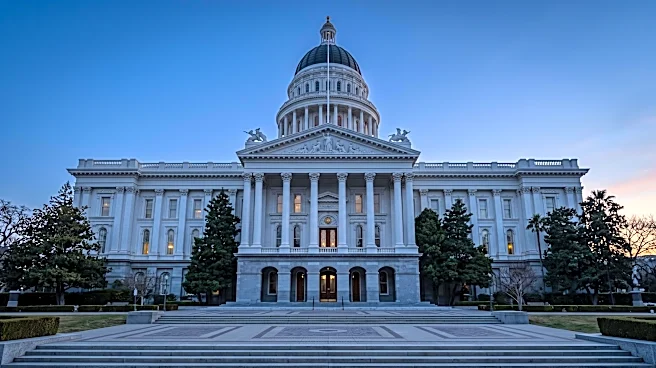
California lawmakers have introduced Assembly Bill 2760, which seeks to prohibit local, state, and federal agencies from possessing, using, or procuring electric taser gloves within the state or with state funds. This legislative action comes in response
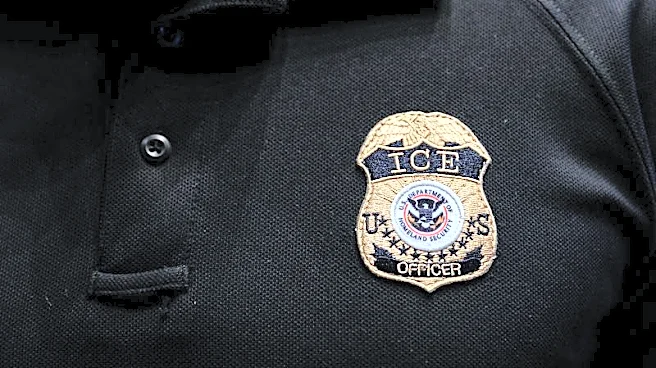
to reports that the Department of Homeland Security (DHS) plans to spend up to $20 million to equip Immigration and Customs Enforcement (ICE) agents with these gloves. Civil rights organizations, including the American Civil Liberties Union, have voiced strong opposition, arguing that the gloves are an intimidating use-of-force option, especially given ICE's existing criticisms regarding deaths in custody. State Assemblymember LaShea Sharp-Collins (D-San Diego), the bill's author, emphasized that state funds should not be used for technology that does not benefit the state and should not be used on any individuals. The CTG-5 G.L.O.V.E, which delivers a 380-volt shock, is described as capable of subduing a person instantly, though its manufacturer claims it is weaker than traditional tasers.
Why It's Important?
This proposed legislation highlights a significant conflict between state and federal authority regarding law enforcement practices and the use of force, particularly in the context of immigration enforcement. If passed, AB 2760 would establish California as a state actively resisting the deployment of certain less-lethal weapons by federal agencies within its borders, potentially setting a precedent for other states. The debate over shock gloves raises critical questions about human rights, police accountability, and the appropriate level of force in law enforcement. Critics argue that such devices, especially in the hands of agencies like ICE, could lead to abuse and further erode public trust, particularly within immigrant communities. The bill also underscores concerns about the militarization of law enforcement and the potential for new technologies to be used in ways that may violate civil liberties. The financial implications of DHS's planned procurement also raise questions about the allocation of taxpayer money for controversial equipment.
What's Next?
Assembly Bill 2760 is on an expedited path through the California legislature, with the Senate having approved a rule change to allow for a quick passage before the legislative session ends on August 31. If the bill passes and becomes law, it is highly likely to face a legal challenge from the Trump administration, which has previously demonstrated a willingness to contest state laws that conflict with federal immigration policies. State Assemblymember Sharp-Collins has indicated that the legislation was prepared in consultation with the state attorney general's office to withstand such challenges. The outcome of this legislative and potential legal battle will determine whether California can effectively ban the use of these shock gloves by federal agents within its jurisdiction. The situation will also be closely watched by civil rights advocates and other states considering similar measures.
Beyond the Headlines
The controversy surrounding electric shock gloves extends beyond their immediate use, touching upon deeper societal concerns about the nature of policing and the treatment of vulnerable populations. The debate reflects a growing public demand for greater oversight and accountability in law enforcement, particularly concerning the adoption of new technologies that can inflict pain or harm. The argument that these gloves are a 'de-escalation' tool is met with skepticism by critics who view them as instruments of intimidation and control. This situation also highlights the ongoing tension between federal immigration enforcement and states that seek to protect the civil liberties of their residents, regardless of immigration status. The long-term implications could include a re-evaluation of what constitutes 'less-lethal' force and a broader discussion about the ethical boundaries of law enforcement technology in a democratic society.