




What's Happening?
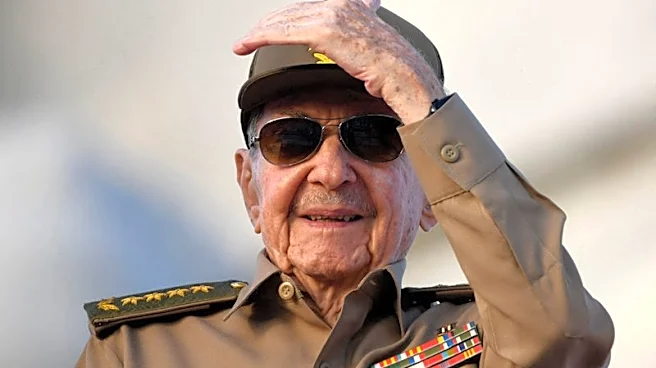
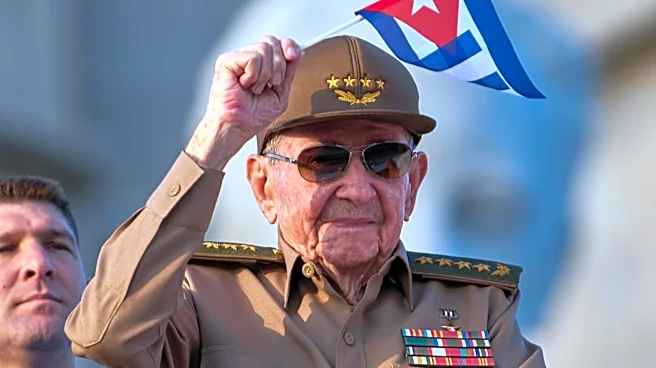
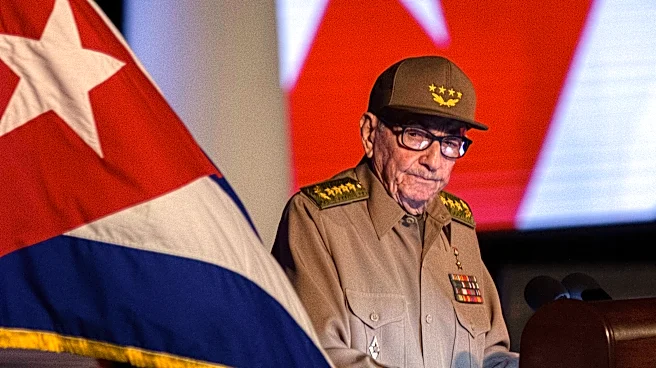
The U.S. Department of Justice has issued a federal criminal indictment against Raul Castro, the former Cuban president, for his alleged involvement in the 1996 shootdown of humanitarian planes. This indictment is part of President Trump's intensified
efforts to challenge the Cuban communist regime. The charges include murder, destruction of aircraft, and conspiracy to kill U.S. nationals, stemming from the incident where Cuban fighter jets shot down planes from Brothers to the Rescue, killing three Americans and a U.S. resident. The indictment reflects a strategic move similar to actions taken against other authoritarian leaders, aiming to hold Castro accountable for his role in the attack.
Why It's Important?
This development is significant as it underscores the U.S. government's commitment to addressing past grievances with Cuba, particularly those involving American citizens. The indictment could further complicate U.S.-Cuba relations, which have been fraught with tension for decades. It also highlights the broader geopolitical strategy of the Trump administration to confront regimes perceived as hostile to U.S. interests. The legal action against Castro may influence U.S. domestic politics, particularly among Cuban-American communities, and could impact future diplomatic engagements with Cuba. The case also serves as a reminder of the longstanding issues between the two nations and the challenges in achieving reconciliation.
What's Next?
The indictment is likely to lead to increased diplomatic tensions between the U.S. and Cuba. The Cuban government has already rejected U.S. humanitarian aid, suggesting a hardening of positions. The U.S. may continue to apply economic pressure through sanctions, particularly targeting entities like GAESA. The international community will be watching closely, as the outcome of this case could affect Cuba's political landscape and its relations with other countries. The legal proceedings will also be closely monitored, as they could set a precedent for how the U.S. handles similar cases involving foreign leaders accused of crimes against Americans.