







What's Happening?
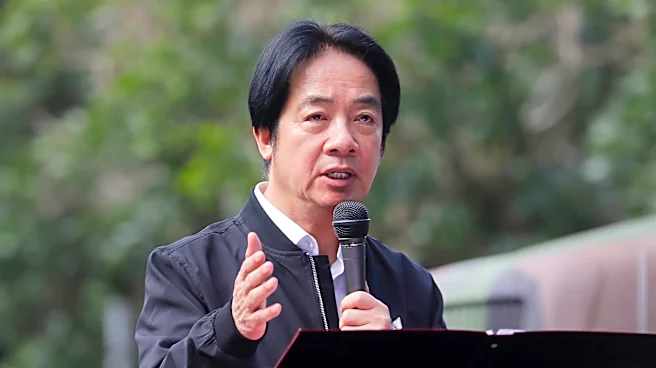
Taiwanese President Lai Ching-te made a surprise visit to Eswatini, a move that has drawn sharp criticism from China. The visit, which was not announced beforehand, was reportedly an attempt to avoid potential interference from external forces. China,
which views Taiwan as part of its territory, condemned Lai's actions, likening them to a 'rat scurrying across the street.' Despite China's disapproval, Lai emphasized Taiwan's right to engage with the world, stating that no country should prevent Taiwan from contributing globally. This visit comes after China allegedly forced three Indian Ocean countries to deny overflight permission for Lai's aircraft, highlighting the ongoing tensions between Taiwan and China.
Why It's Important?
The visit underscores the ongoing geopolitical tensions between Taiwan and China, with significant implications for international diplomacy. Taiwan's efforts to maintain and expand its international presence challenge China's attempts to isolate the island diplomatically. This situation affects global political dynamics, as countries with formal ties to Taiwan, like Eswatini, navigate their relationships with both Taiwan and China. The U.S. and European countries have previously expressed concern over China's actions, indicating the broader international stakes involved. The situation also highlights the strategic importance of Taiwan in global politics, particularly in the context of U.S.-China relations.
What's Next?
The visit may lead to further diplomatic tensions between Taiwan and China, potentially affecting Taiwan's international engagements. Countries with ties to Taiwan might face increased pressure from China to sever those relationships. The international community, particularly the U.S. and European nations, may continue to monitor and respond to China's actions regarding Taiwan. This could result in diplomatic statements or actions aimed at supporting Taiwan's right to engage internationally. Additionally, Taiwan may seek to strengthen its alliances with other countries to counteract China's diplomatic pressure.
Beyond the Headlines
The incident highlights the complex nature of international diplomacy involving Taiwan and China. It raises questions about the ethical implications of diplomatic isolation and the rights of sovereign nations to engage globally. The situation also reflects broader themes of power dynamics and influence in international relations, as well as the role of smaller nations like Eswatini in global politics. The use of surprise visits as a diplomatic strategy may become more common in high-stakes international relations, as countries seek to navigate geopolitical tensions.