

What's Happening?
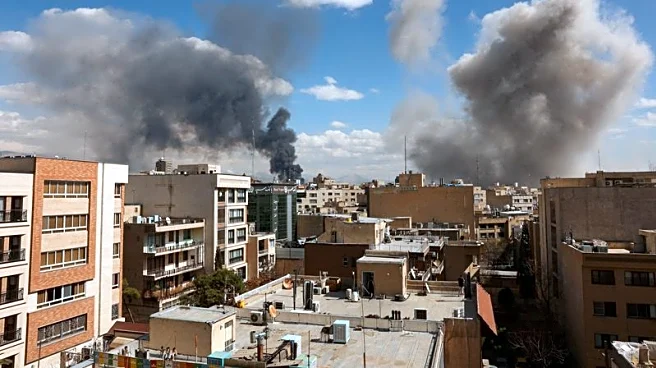
The United States and Israel have conducted military strikes on Iran, leading to heightened tensions and the potential for a broader regional conflict. According to CBS News, the strikes have prompted reactions from Middle Eastern leaders, who are concerned
about the escalating situation. The military actions are seen as a response to perceived threats from Iran, but they have also raised fears of further destabilization in the region. The strikes have drawn international attention, with various countries weighing in on the potential consequences of continued military engagement.
Why It's Important?
The escalation of military actions by the U.S. and Israel against Iran is significant due to its potential impact on regional stability and international relations. The Middle East is a critical area for global energy supplies, and increased conflict could disrupt oil markets, affecting economies worldwide. Additionally, the situation could strain diplomatic relations between the U.S. and other countries involved in the region, potentially leading to broader geopolitical tensions. The actions may also influence domestic politics in the U.S., as policymakers and the public react to the unfolding events.
What's Next?
As the situation develops, there may be further military engagements or diplomatic efforts to de-escalate tensions. Key stakeholders, including the United Nations and major world powers, could become involved in seeking a resolution to prevent a full-scale conflict. The U.S. government may face pressure to clarify its strategy and objectives in the region, while Israel's actions could impact its relations with neighboring countries. Monitoring the responses from Iran and other regional actors will be crucial in understanding the potential for future developments.