





What's Happening?
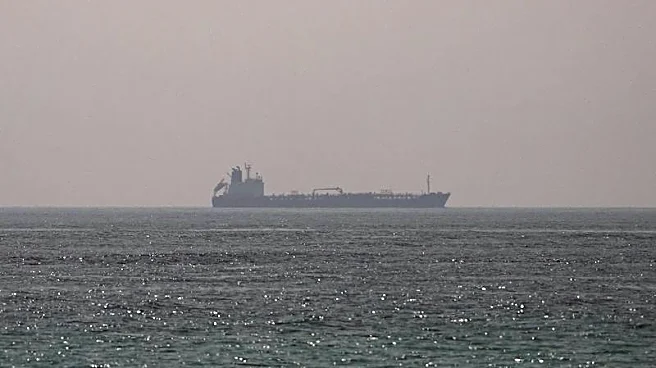
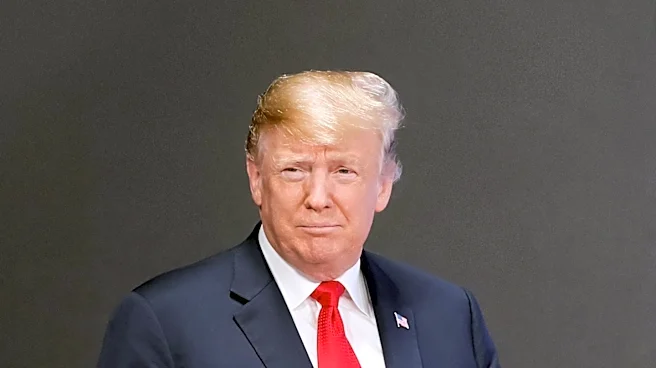
President Trump has rejected a seven-day truce offer from Iran, leading to a significant jump in oil prices and renewed concerns about inflation. Iran's proposal, made at the UN General Assembly, aimed to halt hostilities and reopen the Strait of Hormuz,
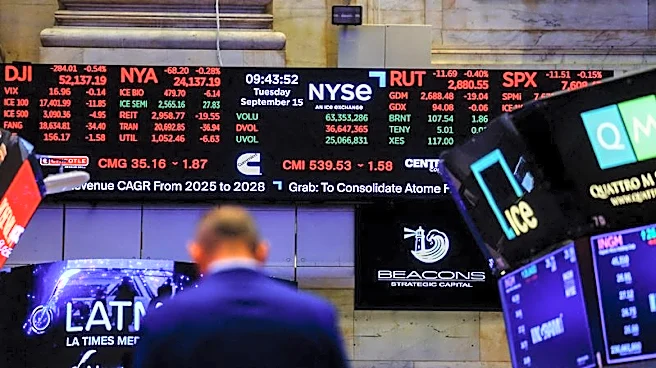
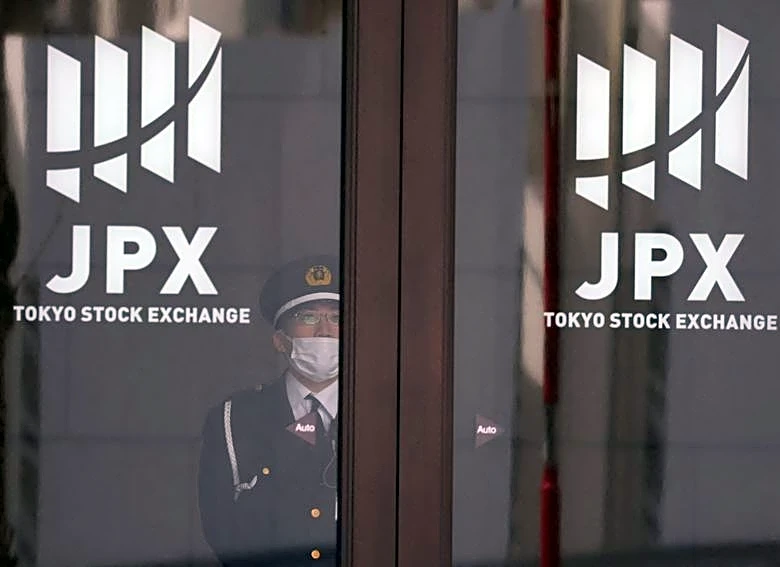
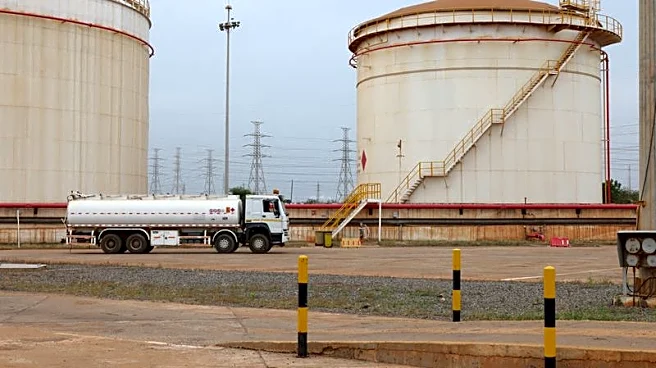
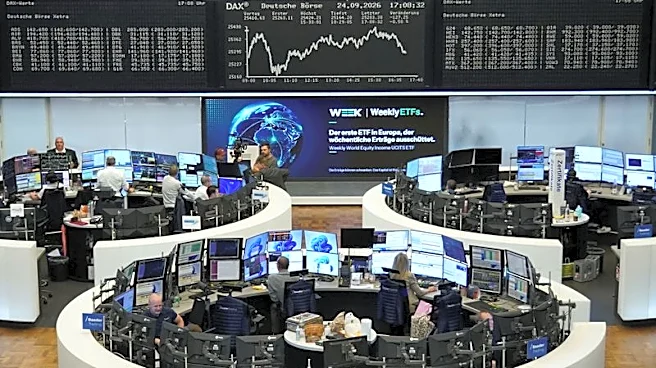
which is crucial for global energy supplies. Following President Trump's rejection, international benchmark Brent crude rose over 3% to more than $107 a barrel, while U.S. benchmark WTI increased by nearly 2% to over $94 a barrel. This development has also impacted global stock markets, with European and Asian markets showing declines, and U.S. futures indicating a negative open. The rejection comes amidst rising expectations of high inflation in the U.S., which could prompt the Federal Reserve to consider another interest rate hike at its upcoming policy meeting.
Why It's Important?
President Trump's decision to reject Iran's truce offer carries significant economic implications for the U.S. and global markets. The immediate surge in oil prices directly impacts American consumers through higher gasoline costs and businesses through increased transportation and production expenses, potentially fueling inflation. This inflationary pressure could force the Federal Reserve to adopt a more aggressive monetary policy, including further interest rate hikes, to stabilize prices. Such measures, while aimed at curbing inflation, can slow economic growth by making borrowing more expensive for businesses and individuals. Furthermore, the heightened geopolitical tension in the Middle East, particularly concerning the Strait of Hormuz and the Red Sea, poses a risk to global energy supply chains, which could lead to sustained higher energy costs and economic instability. The situation also highlights the delicate balance between foreign policy decisions and their immediate economic repercussions.
What's Next?
Following President Trump's rejection of Iran's truce offer, indirect talks between Washington and Tehran are expected to resume as early as Monday, according to Axios. President Trump indicated that while he rejected the current proposal, he anticipates further negotiations. Iran has maintained its conditions for reopening the Strait of Hormuz, which include the release of frozen assets, the lifting of oil sanctions, and an end to the U.S. naval blockade. The Federal Reserve will be closely monitoring inflation data and oil prices ahead of its next policy meeting at the end of October, with a second successive interest rate hike being a strong possibility. Market reactions, particularly in oil and stock markets, will continue to be volatile as stakeholders assess the evolving geopolitical landscape and its potential economic fallout.
Beyond the Headlines
The rejection of Iran's truce offer by President Trump underscores a broader strategic approach to international relations and economic leverage. By not accepting the initial proposal, the U.S. may be signaling a demand for more comprehensive concessions from Iran, potentially aiming for a deal that aligns more closely with long-term U.S. interests in regional stability and nuclear non-proliferation. This high-stakes negotiation tactic, however, comes with the immediate cost of increased global energy prices and heightened inflation concerns, demonstrating the intricate link between foreign policy and domestic economic well-being. The situation also highlights the vulnerability of the global economy to geopolitical tensions, particularly in critical energy transit regions. The long-term implications could include a re-evaluation of global energy strategies and a push towards greater energy independence to mitigate such external shocks.