



What's Happening?
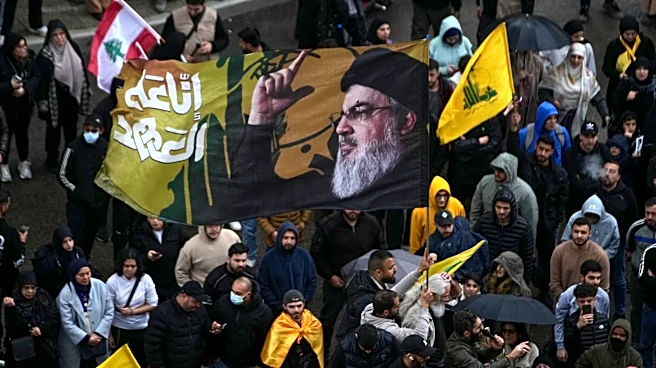
Residents of an Israeli kibbutz near the Lebanon border are experiencing the ongoing conflict firsthand, with frequent rocket attacks from Hezbollah. Despite a supposed ceasefire, hostilities have resumed, disrupting daily life and forcing residents to
seek shelter. The situation remains tense, with air raid sirens and military responses becoming a regular occurrence. Local leaders express support for continued military actions against Hezbollah, reflecting a broader sentiment among Israelis for a strong defense posture.
Why It's Important?
The experiences of kibbutz residents highlight the human impact of the ongoing conflict and the challenges of living in a volatile border region. The situation underscores the need for effective security measures and the importance of diplomatic efforts to achieve a lasting peace. The continued hostilities also raise questions about the effectiveness of ceasefire agreements and the potential for escalation. The conflict's impact on civilian life emphasizes the urgency of finding a resolution to the regional tensions.
Beyond the Headlines
The ongoing conflict raises ethical considerations about the protection of civilian populations and the responsibilities of governments to ensure their safety. The situation also reflects broader geopolitical dynamics, with implications for international relations and the role of global powers in mediating regional conflicts. The experiences of kibbutz residents serve as a reminder of the human cost of war and the need for comprehensive solutions to address the root causes of the conflict.