






What's Happening?
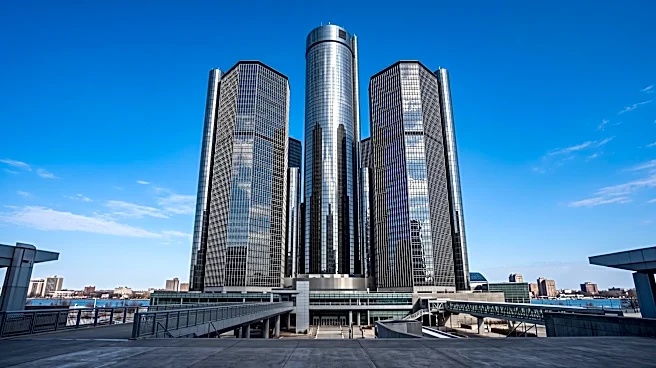
Across the United States, a growing number of food waste collection services, such as Scrap Soils in Detroit, are emerging to divert food scraps from landfills and make composting more accessible. These services cater to individuals and businesses that
cannot compost at home, lack municipal curbside pickup, or cannot access drop-off locations. Ricky Blanding, CEO of Scrap Soils, collects food scraps like coffee grounds, eggshells, and carrot tops from homes and restaurants, transporting them to composting sites. This initiative is part of a broader movement to reduce the amount of food waste in landfills, where it produces methane, a potent greenhouse gas. Detroit's climate strategy aims to reduce municipal greenhouse gas emissions by 100% by 2050, with a three-year plan to divert 15% of waste from landfills. The city has also launched its first municipal food scrap drop-off initiative, with Scrap Soils partnering in educational campaigns.
Why It's Important?
The proliferation of these food scrap pickup services is critical for environmental sustainability and local food systems. Composting offers the dual benefits of significantly reducing methane emissions from landfills, which Emily Cassidy, a research associate at Project Drawdown, likens to 'pulling the emergency brake on climate change.' Methane has a substantial short-term impact on the climate, making its reduction a high-priority climate action. Beyond climate mitigation, composting enriches soil with vital nutrients, improving soil health for gardeners and urban farmers and enhancing local food production. This creates a circular economy where waste is transformed into a valuable resource. For cities like Detroit, these services are integral to achieving ambitious climate goals and fostering more sustainable communities by providing practical solutions for waste management and soil regeneration.
What's Next?
Cities and private companies are expected to expand their composting efforts. Detroit plans to increase its municipal food scrap drop-off locations and implement on-site composting in municipal buildings. Companies like Scrap Soils aim to scale their operations, with plans to acquire larger trucks and their own composting facilities, despite challenges in gaining visibility and public commitment. The growth of independent composting programs, such as the Denver Compost Collective and Compost Now, indicates a national trend towards more accessible composting solutions. As more U.S. cities integrate composting into their climate plans, there will likely be increased investment in infrastructure and educational campaigns to encourage participation. The success of these initiatives hinges on continued engagement from residents and businesses, as well as overcoming logistical hurdles and ensuring proper composting practices.
Beyond the Headlines
The rise of food scrap pickup services highlights a growing public awareness and demand for sustainable waste management solutions. This trend reflects a shift from viewing food waste as merely trash to recognizing it as a valuable resource. The challenges faced by these budding companies, such as gaining public engagement and ensuring correct sorting, underscore the need for robust educational initiatives and supportive policy frameworks. The emphasis on local, community-based solutions also points to a decentralized approach to environmental action, empowering local entrepreneurs and residents to contribute directly to climate goals. This movement could foster greater community resilience by strengthening local food systems and reducing reliance on distant waste disposal sites, ultimately promoting a more holistic and integrated approach to urban sustainability.