


What's Happening?
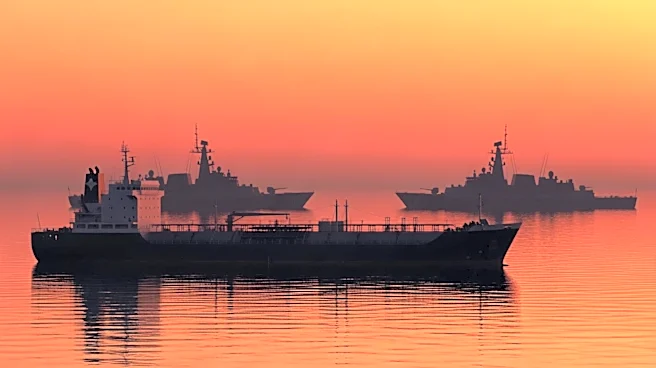
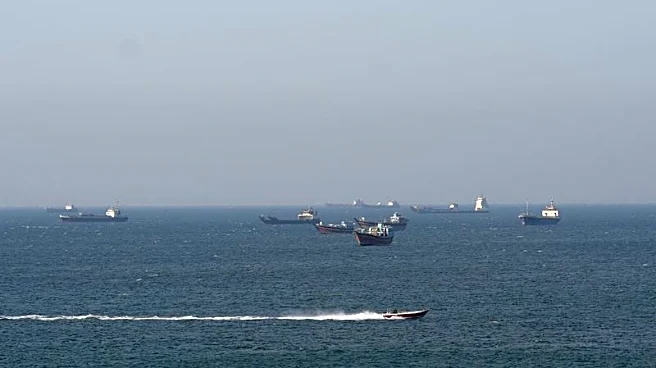
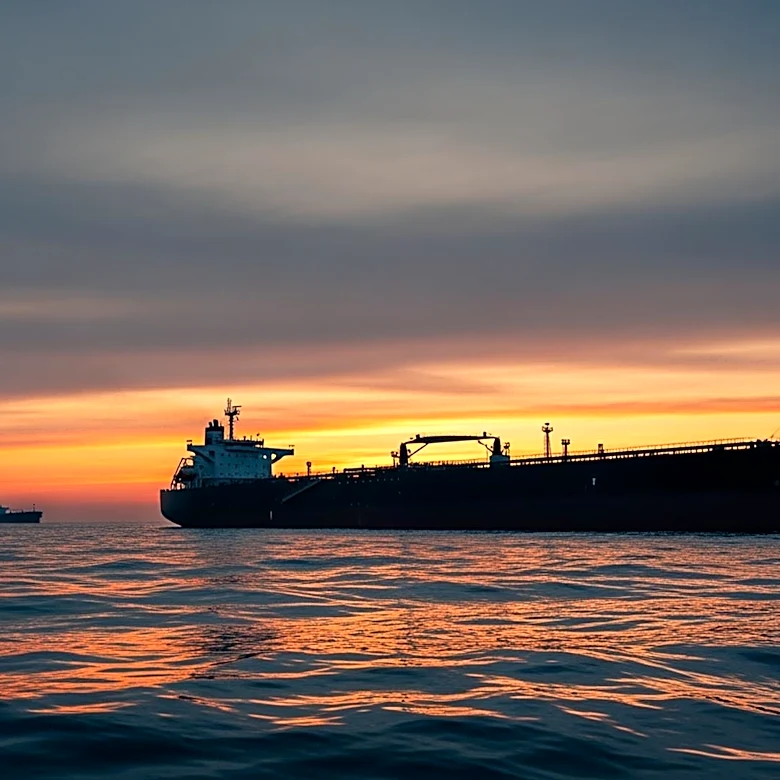
Iran has reimposed strict controls over the Strait of Hormuz, citing a U.S. blockade of its ports. This decision comes shortly after a brief reopening of the strait, which is a crucial shipping lane for global oil supply. Iranian military officials have
stated that the strait will remain under their control until the U.S. lifts its blockade. The move has led to multiple security incidents, including reports of Iranian forces firing on commercial vessels. The situation has added uncertainty to global energy markets and diplomatic efforts to resolve the conflict.
Why It's Important?
The Strait of Hormuz is a vital passage for the world's oil supply, and its closure or restricted access can have significant economic and geopolitical consequences. Iran's actions highlight the ongoing tensions with the U.S. and the potential for conflict to disrupt global trade. The situation underscores the strategic importance of the strait and the broader implications of U.S.-Iran relations on international stability. The reimposition of control by Iran could lead to increased oil prices and heightened geopolitical tensions.
What's Next?
Diplomatic efforts to resolve the blockade and control issues are likely to continue, but the potential for military escalation remains if negotiations fail. The international community, particularly countries reliant on oil imports through the strait, will be closely monitoring the situation. Any resolution will require addressing broader issues in U.S.-Iran relations, including nuclear negotiations and regional security concerns.