
What's Happening?
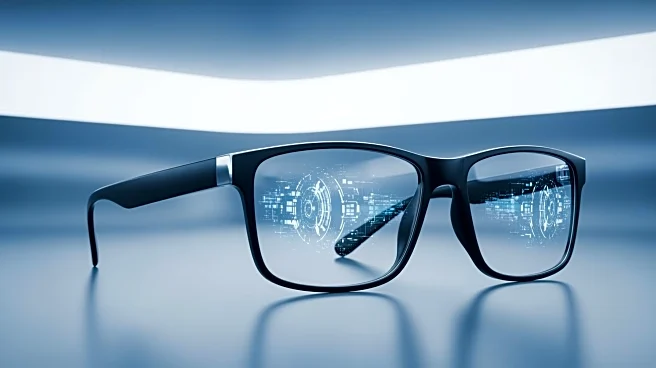
In 2026, the smart glasses market is set to expand with major announcements from companies like Warby Parker, Snap, and Google. Warby Parker, in partnership with Google, plans to release AI-powered smart glasses that
integrate voice assistants and prescription compatibility. Snap is developing lightweight AR glasses aimed at casual daily use, while Google is enhancing its Android XR platform for easier app installations. Meta has delayed its Phoenix mixed-reality headset to 2027, allowing other companies to gain momentum with lighter and cheaper models. Apple is exploring 'Liquid Glass' designs for sleek AR wearables, and vendors like Lenovo and Rokid are shipping practical hardware.
Why It's Important?
The upcoming smart glasses releases are significant for consumers and the tech industry. For consumers, the integration of AI and prescription compatibility in smart glasses offers a practical alternative to bulky headsets, potentially increasing adoption and changing how people interact with technology. For the industry, these developments represent a shift towards mainstream acceptance of AR wearables, driving innovation and competition. Companies are focusing on accessibility features, such as real-time subtitles, which could make smart glasses more appealing to a broader audience. The race to develop user-friendly and affordable smart glasses could reshape the wearables market.
What's Next?
As smart glasses become more prevalent, companies are likely to continue refining their designs and features to enhance user experience. The focus may shift towards improving battery life, comfort, and app compatibility. Businesses might explore partnerships to expand the range of applications for smart glasses, while tech companies could develop more sophisticated AI features to enhance interactivity and personalization. The market may see increased competition as new entrants challenge established players, potentially leading to more affordable and innovative products.