







What's Happening?
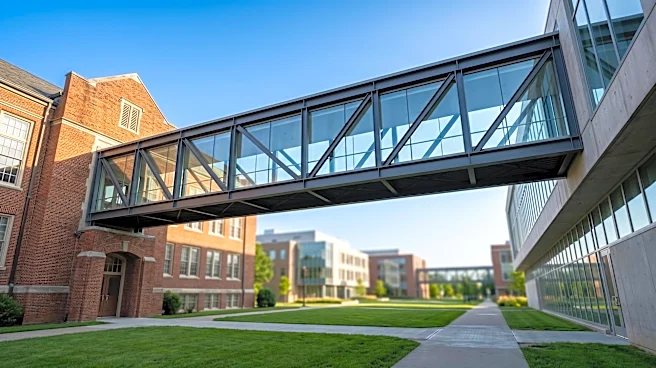
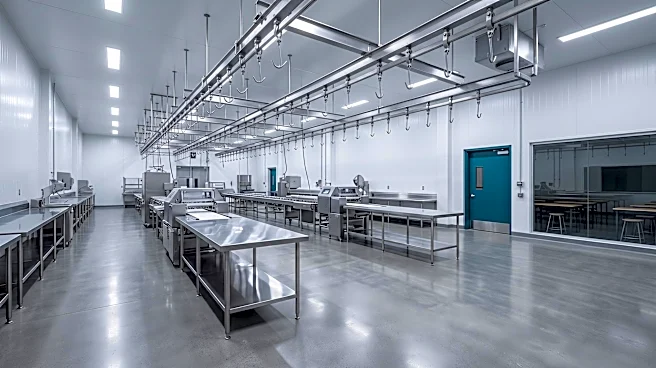
The University of Missouri (Mizzou) has opened a new meat lab, named the Michael L. Parson Meat Lab, to address critical needs in meat processing and workforce development across the state. The 25,000-square-foot facility, located south of the Trowbridge
Livestock Center on the Mizzou campus, began operations this summer. According to Bryon Wiegand, the lab's director, it provides enhanced opportunities for the university to collaborate directly with meat processors, offering consulting services to troubleshoot product issues. The lab integrates meat processing capabilities with classrooms for teaching, workforce development programs, and research facilities. It also includes an expanded meat market storefront. The first animals processed in the facility were champion livestock from the Missouri State Fair. While some equipment is still being installed, the lab is already hosting meat science classes and industry events, with a ribbon-cutting ceremony scheduled for October 9.
Why It's Important?
This new meat lab at Mizzou is a significant development for the U.S. agricultural sector, particularly in Missouri, as it directly addresses challenges in meat processing and workforce shortages. By providing hands-on training and educational opportunities, the lab will help cultivate a skilled workforce for the meat industry, which is crucial for maintaining a robust food supply chain. The facility's capacity to work with meat processors on troubleshooting and product development can enhance efficiency and innovation within the industry, potentially leading to improved product quality and safety. Furthermore, the lab's focus on research and development can contribute to advancements in meat science, benefiting producers and consumers nationwide. The integration of a meat market storefront also provides a direct link between agricultural education and consumer access to locally processed products, supporting regional economies and promoting transparency in the food system. This initiative could serve as a model for other agricultural universities looking to support their local and national meat industries.
What's Next?
The Michael L. Parson Meat Lab will continue to integrate its various functions, with meat science classes already underway and the American Foods Group Meat Market at Mizzou having opened in August. The lab plans to add dedicated staff, with an expected 20 to 25 student employees working in the facility once processing reaches full production. The official ribbon-cutting ceremony on October 9 will mark a formal inauguration. In the coming year, the lab is slated to host events for various agricultural organizations, including the Missouri Association of Meat Processors, the American Lamb Board, and the Beef Improvement Federation, further solidifying its role as a central hub for meat industry collaboration and education. The facility's ongoing work will focus on training the next generation of meat processors and scientists, while also providing direct support and research to the industry to enhance processing techniques and product quality.
Beyond the Headlines
The establishment of the Mizzou meat lab reflects a broader trend in the U.S. agricultural landscape: the increasing recognition of the need for localized and resilient food systems. The COVID-19 pandemic exposed vulnerabilities in centralized meat processing, highlighting the importance of smaller, regional facilities and a well-trained workforce. This lab not only addresses immediate workforce and processing needs but also contributes to food security by strengthening local supply chains. Ethically, it promotes responsible animal agriculture through education and research, potentially leading to improved practices in animal welfare and sustainability. Culturally, it reinforces the connection between consumers and their food sources, fostering a greater appreciation for the agricultural process. The long-term impact could be a more diversified and robust meat industry, less reliant on large-scale, distant operations, and more responsive to regional demands and challenges, ultimately benefiting both producers and consumers across the nation.