





What's Happening?
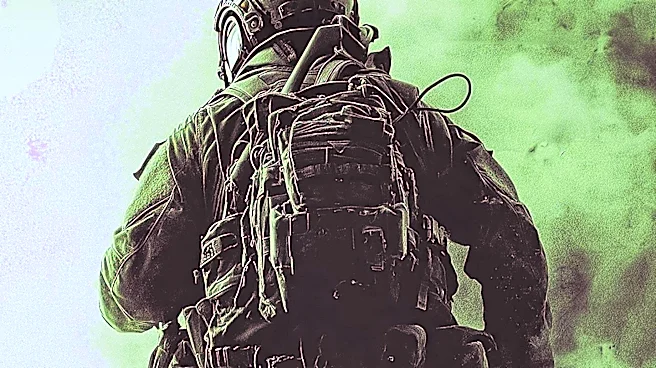
The U.S. Army is utilizing artificial intelligence to improve the training of special operations medics at the Joint Special Operations Medical Training Center. This initiative aims to prepare medics for complex battlefield scenarios where evacuation
may be delayed. The training program, which lasts nearly nine months, is being optimized using AI to determine the most effective teaching methods and identify areas where students struggle. The goal is to enhance the learning experience without extending the course duration, ensuring medics are equipped with both medical and tactical combat skills. AI-assisted analytics are used to analyze student performance data, allowing instructors to focus on critical skills such as prolonged casualty care, infection management, and medication administration.
Why It's Important?
The integration of AI into military training programs is significant as it addresses the evolving needs of battlefield medicine. With the increasing complexity of modern warfare, medics must be prepared to handle new types of injuries and prolonged casualty care scenarios. By optimizing training through AI, the Army can ensure that medics are better equipped to provide essential care in challenging environments. This advancement not only enhances the readiness of military personnel but also reflects a broader trend of AI adoption in various sectors, including healthcare and defense. The ability to quickly adapt training programs based on real-time data is crucial for maintaining operational effectiveness and improving outcomes for injured troops.
What's Next?
The continued use of AI in military training is likely to expand, with potential applications in other areas of defense and healthcare. As the Army gathers more data from training sessions, it can further refine its curriculum to address emerging challenges and incorporate lessons learned from current conflicts, such as those in Ukraine. This approach may lead to more personalized training experiences, where individual strengths and weaknesses are identified and addressed. Additionally, the success of AI integration in medic training could encourage other branches of the military to adopt similar technologies, potentially transforming the way military personnel are trained across various disciplines.
Beyond the Headlines
The use of AI in military training raises important ethical and operational questions. While AI can enhance efficiency and effectiveness, it also requires careful management to ensure data privacy and security. The reliance on AI-driven analytics must be balanced with human judgment to avoid over-dependence on technology. Furthermore, the integration of AI in training programs may influence broader military strategies and doctrines, as decision-makers consider how technology can be leveraged to improve combat readiness. These developments could lead to shifts in military culture and operational practices, emphasizing the importance of technological proficiency alongside traditional skills.