




What's Happening?
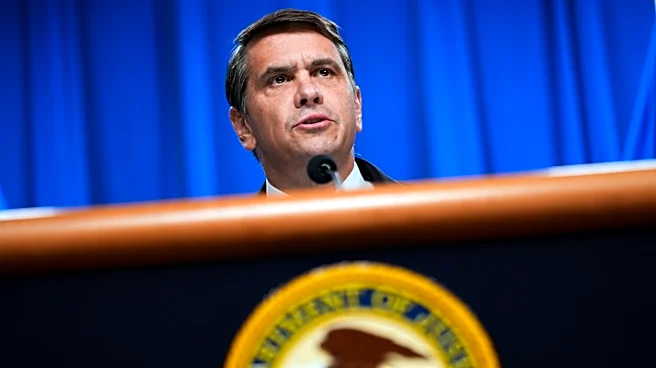
A $1.776 billion 'anti-weaponization' fund launched by President Trump's Justice Department is facing significant backlash from legal experts and former Department of Justice (DoJ) officials. The fund is intended to compensate alleged victims of 'lawfare,'
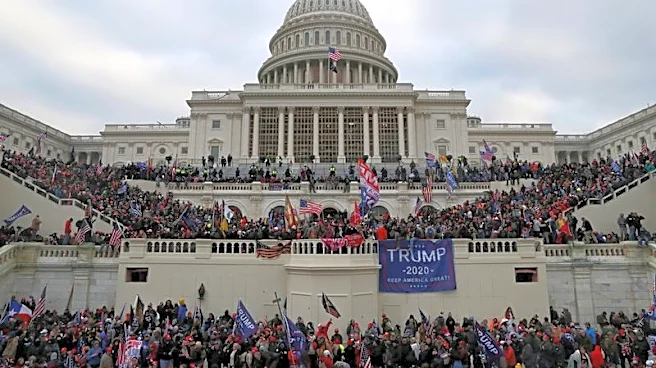
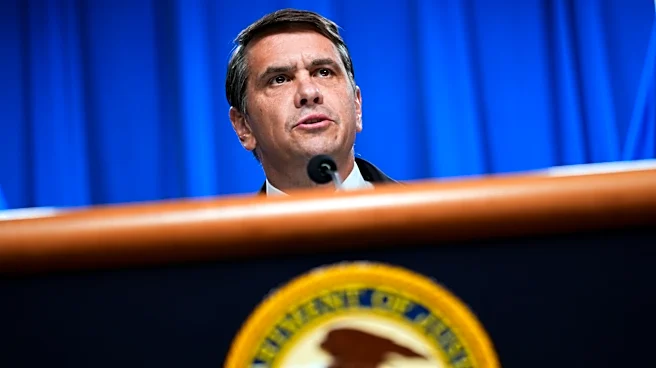
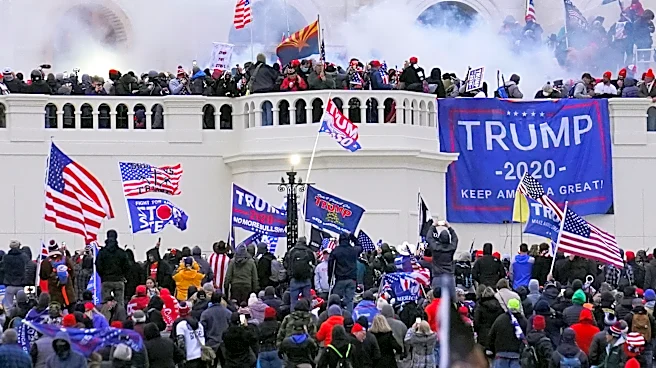
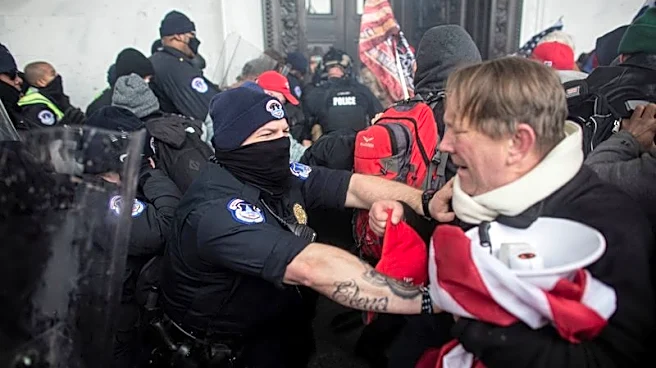
but critics argue it serves as a 'slush fund' for Trump allies, particularly those involved in the January 6 insurrection. The fund was announced by Acting Attorney General Todd Blanche and is linked to a settlement of a $10 billion lawsuit Trump filed against the IRS. Legal challenges are mounting, with a bipartisan group of former federal judges appealing to reopen the case, alleging fraud in the fund's creation. A federal judge in Virginia has temporarily blocked the fund's establishment pending a hearing. Critics are concerned about the fund's lack of transparency and the power it grants Trump to dismiss board members without cause.
Why It's Important?
The controversy surrounding the fund highlights significant concerns about the potential misuse of government resources for political gain. Critics argue that the fund undermines the rule of law by potentially rewarding individuals who participated in the January 6 Capitol riot. The fund's creation without congressional approval raises questions about executive overreach and the bypassing of democratic processes. If implemented, the fund could set a precedent for using taxpayer money to support political allies, further polarizing the political landscape. The backlash from both Democrats and some Republicans indicates a rare bipartisan agreement on the fund's problematic nature, emphasizing the broader implications for governance and accountability.
What's Next?
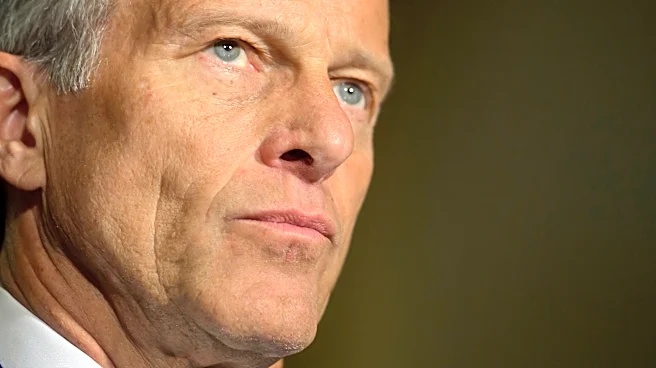
The fund's future is uncertain as legal challenges continue to unfold. A hearing is scheduled for June 12 to determine the fund's legality and potential continuation. Political leaders, including Senate Majority Leader John Thune and Democratic Senator Chuck Schumer, have expressed strong opposition, suggesting legislative efforts may be underway to block the fund entirely. The outcome of these legal and political battles will likely influence the fund's viability and could impact President Trump's political standing and influence within the Republican Party. The situation remains fluid, with potential implications for future executive actions and the balance of power between branches of government.