







What's Happening?
Malaysia has announced an agreement with Myanmar to repatriate 5,000 Rohingya refugees currently residing in Malaysia. This development is seen as a diplomatic breakthrough in addressing one of Southeast Asia's prolonged humanitarian crises. However,
the specifics of the agreement, including the legal status and conditions for returnees, remain unclear. The Rohingya crisis, rooted in issues of citizenship and systemic discrimination, has been exacerbated by Myanmar's internal conflicts. The proposal has raised questions about the safety and voluntariness of the repatriation process, as well as the adequacy of protections for returnees. Concerns have been voiced by Rohingya representatives and human rights organizations about the ongoing risks in Myanmar, including military conflicts and restricted humanitarian access.
Why It's Important?
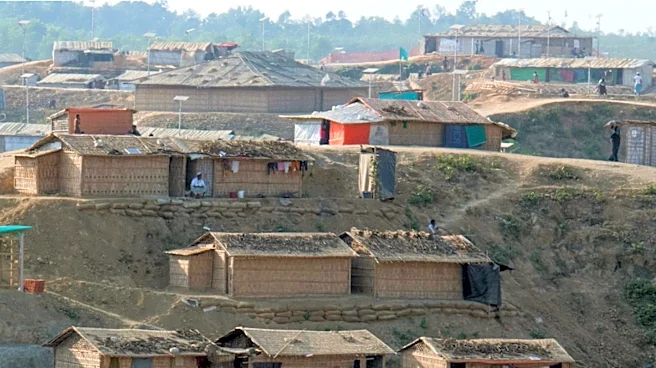
The repatriation of Rohingya refugees is a critical issue with significant implications for regional stability and international human rights standards. The principle of non-refoulement, which prohibits returning individuals to places where they face persecution, is central to this debate. The situation highlights the need for robust international support and burden-sharing, particularly for Bangladesh, which hosts over 1.3 million Rohingya refugees. The outcome of this agreement could set a precedent for how similar crises are managed globally, impacting international refugee policies and the role of organizations like the UNHCR. Ensuring that repatriation is safe, voluntary, and dignified is essential to prevent further humanitarian crises.
What's Next?
The next steps involve ensuring that Myanmar provides concrete guarantees for the safety and rights of returnees. This includes granting citizenship, ensuring freedom of movement, and providing access to essential services. ASEAN and the international community are expected to play a crucial role in monitoring the situation and providing necessary support. The ongoing dialogue between Malaysia, Myanmar, and other stakeholders will be critical in shaping the future of the Rohingya crisis. Continued advocacy and pressure from human rights organizations will be essential to ensure that the repatriation process adheres to international standards and genuinely addresses the root causes of the crisis.
Beyond the Headlines
The Rohingya crisis underscores broader issues of statelessness and political exclusion, which are not just humanitarian concerns but also political failures requiring comprehensive solutions. The situation in Myanmar serves as a warning of the potential for mass atrocities if underlying issues of discrimination and impunity are not addressed. The international community's response to this crisis could influence future approaches to similar situations, emphasizing the importance of addressing structural causes rather than merely managing symptoms.