



What's Happening?
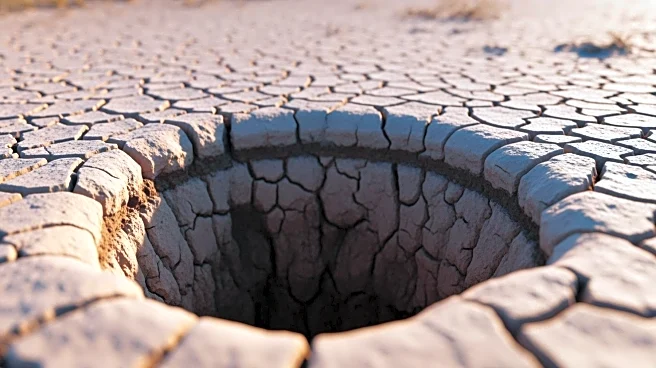
Experts in Australia are warning that climate change is contributing to an increase in the frequency of sinkholes. These geological formations, which occur when the ground collapses into a void, are becoming more common due to extreme weather events such
as heavy rainfall and droughts. Sinkholes are particularly prevalent in areas with limestone or carbonate rocks, which can dissolve over time due to chemical weathering. Rising temperatures and changes in rainfall patterns are accelerating this process, increasing the risk of sinkholes. In addition to natural causes, human activities such as construction and plumbing issues can also trigger sinkholes, especially in urban areas with old mine shafts.
Why It's Important?
The rising frequency of sinkholes poses significant risks to infrastructure, property, and public safety. As climate change continues to alter weather patterns, the likelihood of extreme weather events increases, exacerbating the conditions that lead to sinkholes. This has implications for urban planning and development, as authorities must consider the potential for ground instability in their projects. The economic impact of sinkholes can be substantial, with costs associated with repairing damaged infrastructure and addressing safety concerns. Additionally, the phenomenon highlights the broader challenges posed by climate change, emphasizing the need for adaptive strategies to mitigate its effects on the environment and society.
What's Next?
To address the growing threat of sinkholes, experts recommend monitoring vulnerable areas and implementing preventive measures. This includes using technologies such as Geographic Information Systems (GIS) to map and track changes in the landscape. Urban planners and engineers may need to incorporate sinkhole risk assessments into their projects, particularly in regions with known geological vulnerabilities. Public awareness campaigns could also help educate communities about the signs of potential sinkholes and the importance of reporting them. As climate change continues to impact the environment, ongoing research and collaboration between scientists, policymakers, and industry stakeholders will be crucial in developing effective solutions.