





What's Happening?
The U.S. military has initiated a blockade of Iranian ports, a move that could significantly impact global oil supplies. Despite this, there is optimism that U.S.-Iran peace talks might resume. The blockade, which began on Monday, aims to pressure Iran into
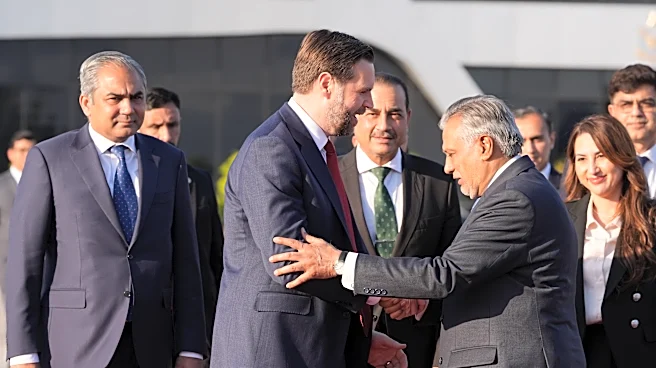
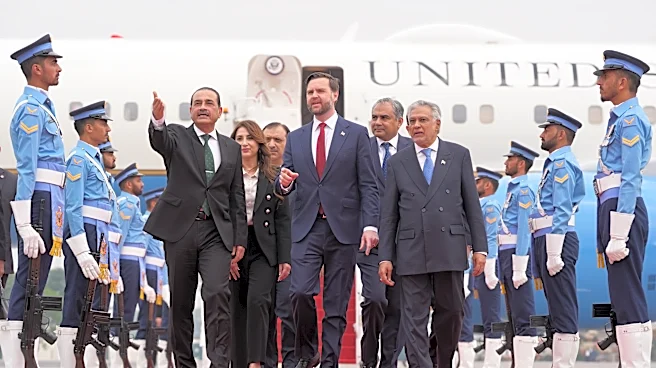
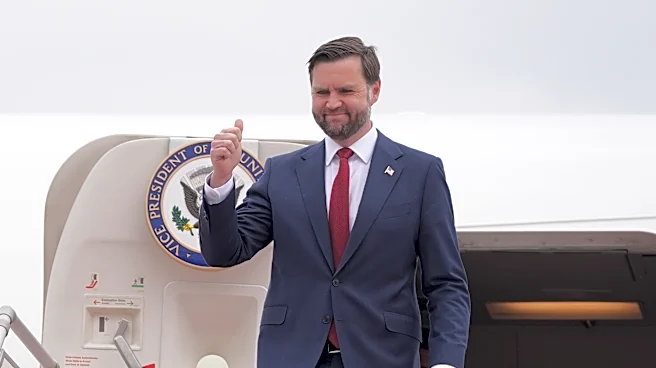
reopening the Strait of Hormuz and returning to the negotiating table. U.S. Vice President JD Vance indicated that the success of peace efforts now largely depends on Tehran's response. President Trump mentioned that Iran has shown interest in negotiating, suggesting a potential breakthrough. The blockade has led to a decrease in oil prices, as markets anticipate possible diplomatic resolutions. European markets have responded positively, with indices like the Stoxx 600 and Germany's DAX seeing gains.
Why It's Important?
The blockade and potential resumption of peace talks are critical due to their implications for global oil markets and geopolitical stability. The Strait of Hormuz is a vital passage for oil shipments, and its closure could disrupt global supply chains, affecting oil prices worldwide. The U.S. strategy appears to be leveraging economic pressure to bring Iran back to the negotiating table, which could lead to a de-escalation of tensions in the region. Successful negotiations could stabilize oil markets and reduce the risk of military conflict, benefiting global economic stability. Conversely, failure to reach an agreement could exacerbate tensions and lead to further economic and political instability.
What's Next?
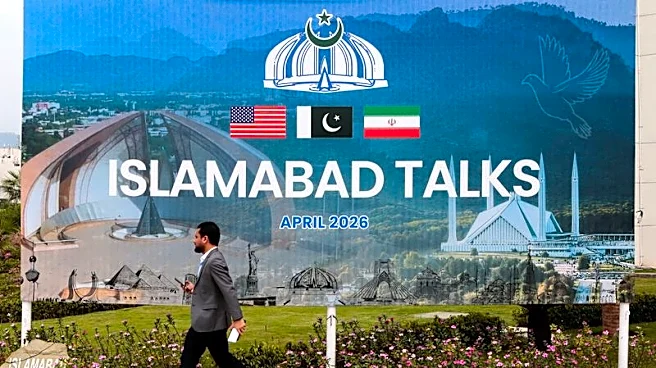
Negotiations are expected to potentially resume in Islamabad, with both sides showing interest in reaching a deal. The outcome of these talks will be closely watched by global markets and political leaders. If successful, it could lead to the lifting of the blockade and a reopening of the Strait of Hormuz, stabilizing oil prices. However, if talks fail, the blockade could remain, leading to prolonged disruptions in oil supply and heightened geopolitical tensions. Stakeholders, including international businesses and governments, will need to prepare for both outcomes.