





What's Happening?
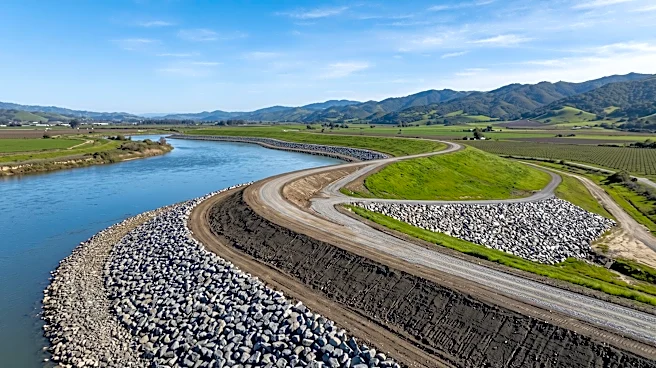
On November 2, 2026, Congresswoman Zoe Lofgren announced that she secured $54 million in federal funding for the U.S. Army Corps of Engineers' Pajaro River Flood Risk Management Project. This announcement was made alongside Watsonville City Council members,
City Manager Tamara Vides, and representatives from the Pajaro Regional Flood Management Agency (PRFMA). The funding is designated to support critical improvements to the Pajaro River levee system. The primary goal of these improvements is to mitigate flood risks and enhance protection for homes, businesses, and families in Watsonville and surrounding communities within Monterey County. Construction for the first phase of this project is already underway, operating as a collaborative effort between the U.S. Army Corps of Engineers, PRFMA, and various state and local partners, including the City of Watsonville. City Manager Tamara Vides expressed gratitude for Congresswoman Lofgren's advocacy, emphasizing that the future levee improvements will significantly contribute to the safety, stability, and future of the community. Mark Strudley of PRFMA also highlighted the critical importance of consistent funding for the project and thanked Lofgren for her efforts in advancing it.
Why It's Important?
This federal funding is crucial for the safety and economic stability of Watsonville and Monterey County. The Pajaro River Flood Risk Management Project directly addresses a long-standing vulnerability to flooding, which can cause significant damage to property, displace residents, and disrupt local businesses. By strengthening the levee system, the project aims to prevent future economic losses and protect the livelihoods of thousands of individuals. For residents, it means enhanced security and peace of mind, reducing the threat of catastrophic flood events. For businesses, it safeguards investments and ensures operational continuity, fostering a more stable economic environment. The collaboration between federal, state, and local entities underscores a unified approach to infrastructure development and disaster preparedness, setting a precedent for similar initiatives in other flood-prone regions across the U.S. This investment not only mitigates immediate risks but also contributes to the long-term resilience and sustainability of the affected communities, potentially attracting further investment and growth by reducing perceived risks.
What's Next?
With the $54 million in federal funding secured, the ongoing construction of the Pajaro River Flood Risk Management Project is expected to continue its first phase. The partnership between the U.S. Army Corps of Engineers, PRFMA, and state and local partners will proceed with implementing the planned improvements to the levee system. Future steps will likely involve continued monitoring of the project's progress, allocation of additional resources as needed for subsequent phases, and ongoing collaboration among the involved agencies to ensure the project's successful completion. The community will anticipate the tangible benefits of reduced flood risks and enhanced protection as the improvements are finalized. Congresswoman Lofgren's continued involvement and advocacy will be crucial for securing any further necessary funding or support for the project's long-term success. The project's website, www.prfma.org, will serve as a resource for updates and information regarding its development.
Beyond the Headlines
The securing of this federal funding for the Pajaro River Flood Risk Management Project highlights a broader national trend of increasing investment in climate resilience and infrastructure. As climate change continues to exacerbate extreme weather events, including more frequent and intense flooding, communities across the U.S. are facing heightened risks. This project exemplifies a proactive approach to adapting to these challenges, moving beyond reactive disaster response to preventative measures. It also underscores the critical role of federal appropriations and the advocacy of elected officials in channeling resources to local communities for essential infrastructure. The success of such collaborative projects can serve as a model for other regions grappling with similar environmental threats, emphasizing the importance of inter-agency cooperation and sustained political will in addressing complex environmental and public safety issues. The long-term implications include not only physical protection but also the potential for increased property values, reduced insurance costs, and a more secure future for residents in vulnerable areas.