






What's Happening?
Vivint's home security system provides a comprehensive, professionally installed solution that integrates security and smart home options within its own ecosystem. The system includes a Smart Panel 2 control center, various sensors, doorbell and indoor/outdoor
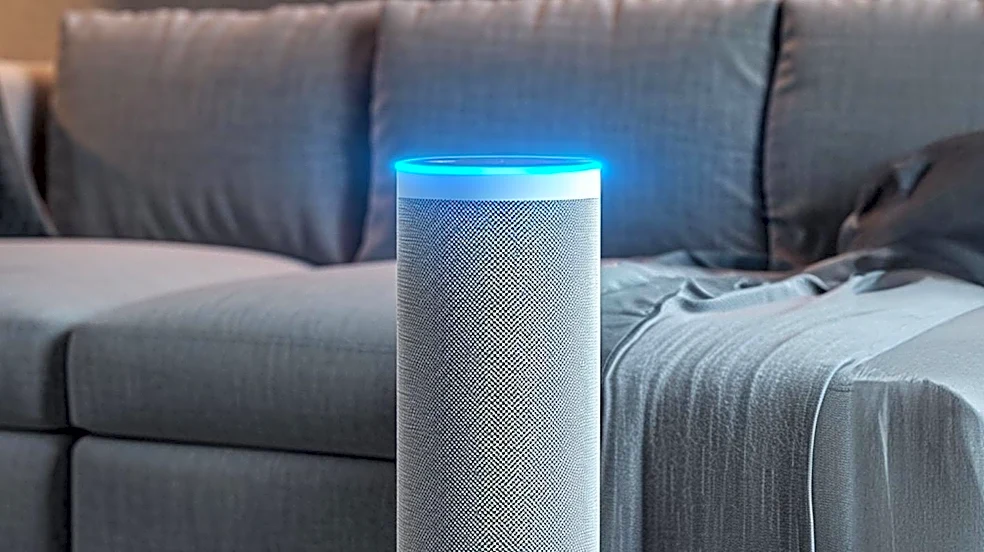
cameras, and fire/CO detectors. Vivint has recently launched its own thermostat, outdoor camera pro, and indoor camera pro, enhancing its offerings. While the system boasts unique features like whistling cameras for deterrence and AI-powered analytics for object detection (though with some reported inaccuracies), it operates largely as a closed system. Compatibility with third-party devices is limited, primarily to Kwikset locks, Google Nest thermostats (though Vivint now has its own), and Philips Hue lighting via a Zigbee connection. Notably, Vivint moved away from Amazon's Alexa due to privacy concerns, opting to integrate with Google Home.
Why It's Important?
Vivint's approach highlights a significant trend in the U.S. home security market: the preference for professionally installed, comprehensive systems versus DIY solutions. This model appeals to consumers seeking convenience and reliability, but its enclosed ecosystem presents both advantages and disadvantages. For Vivint, it allows for tighter integration and control over the user experience, potentially leading to more robust security features and fewer compatibility issues within its own product line. However, for consumers, it means less flexibility to integrate existing smart home devices from other brands, potentially leading to vendor lock-in. The decision to drop Alexa over privacy concerns underscores the growing importance of data privacy in the smart home sector, influencing company strategies and consumer choices. The AI features, despite initial inaccuracies, indicate a future where home security systems are increasingly intelligent and proactive.
What's Next?
Vivint will likely continue to refine its AI-powered features, aiming to improve the accuracy of object detection and enhance proactive security measures. The company's commitment to its enclosed ecosystem suggests it will focus on developing more proprietary devices and integrations within its own platform, rather than broadly adopting open standards like Matter. This strategy will require Vivint to continuously innovate to keep its ecosystem competitive and appealing to consumers who value a unified experience. The emphasis on professional installation and comprehensive service will remain a core differentiator. As data privacy concerns grow, Vivint's stance on limiting third-party data sharing could become a key marketing point, potentially influencing other security providers to adopt similar policies.
Beyond the Headlines
Vivint's enclosed ecosystem model and its decision regarding Alexa raise broader questions about interoperability, consumer choice, and data sovereignty in the smart home landscape. While a closed system can offer enhanced security and a streamlined user experience, it can also limit consumer freedom and create digital 'walled gardens.' The privacy-driven move away from Alexa highlights the increasing tension between convenience offered by voice assistants and concerns over data collection. This situation prompts a deeper ethical discussion about who controls personal data generated within the home and the trade-offs consumers are willing to make for smart functionality. As AI becomes more embedded in home security, the accuracy and potential biases of these systems will also become critical ethical considerations, impacting trust and the effectiveness of security measures.