









What's Happening?
Richard Glossip, a former Oklahoma death row inmate, is back in court as his case proceeds to a retrial for the 1997 murder of his former boss, Barry Van Treese. Glossip was initially convicted and sentenced to death for allegedly orchestrating a murder-for-hire
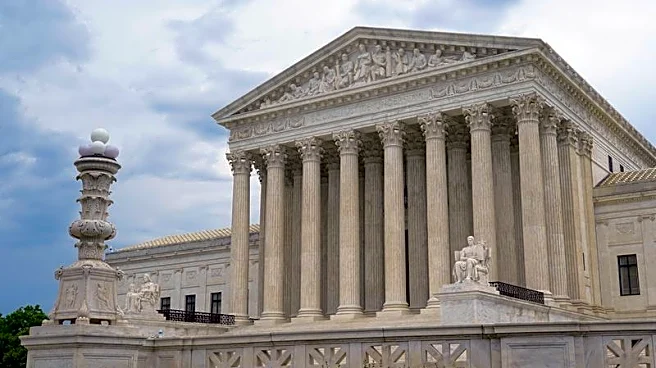
scheme. However, his conviction was overturned by the U.S. Supreme Court last year due to prosecutorial misconduct, specifically allowing false testimony from a key witness. Glossip was released on bond last month. The Oklahoma Attorney General, Gentner Drummond, has announced plans to retry Glossip on the murder charge but will not seek the death penalty. The upcoming court hearing will determine whether the case will go directly to retrial or if a new hearing is needed to assess the sufficiency of evidence.
Why It's Important?
The case of Richard Glossip highlights significant issues within the U.S. criminal justice system, particularly concerning the use of false testimony and the death penalty. The Supreme Court's decision to overturn Glossip's conviction underscores the importance of fair trial rights and the potential for miscarriages of justice. This case has drawn national attention, with public figures like Kim Kardashian advocating for Glossip's innocence. The decision not to pursue the death penalty in the retrial reflects a broader trend of reevaluating capital punishment practices in the U.S. The outcome of this case could influence future legal proceedings and policies related to the death penalty and prosecutorial conduct.
What's Next?
The next steps in Richard Glossip's legal journey involve a court hearing to decide whether his case will proceed directly to retrial or require a new evidentiary hearing. The decision will impact the timeline and strategy for both the prosecution and defense. If the case goes to retrial, it will provide an opportunity to re-examine the evidence and testimonies that led to Glossip's initial conviction. The retrial could also set a precedent for how similar cases are handled, particularly those involving allegations of prosecutorial misconduct. Stakeholders, including legal experts and advocacy groups, will be closely monitoring the proceedings.