




What's Happening?
California Department of Fish and Wildlife (CDFW) officials are planning to file the results of their investigation into alleged illegal wildlife feeding with the Los Angeles City Attorney. This action follows an incident in Atwater Village where a 16-month-old
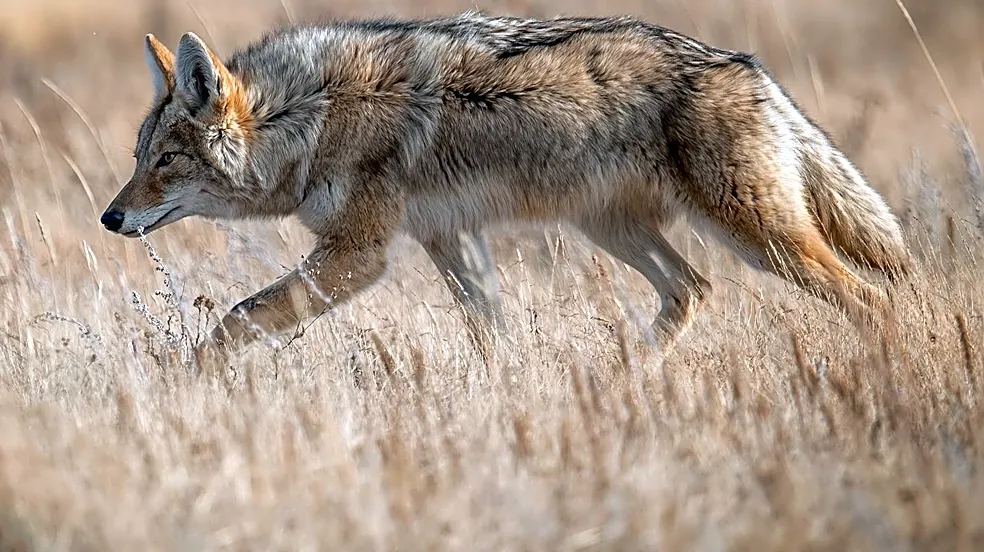
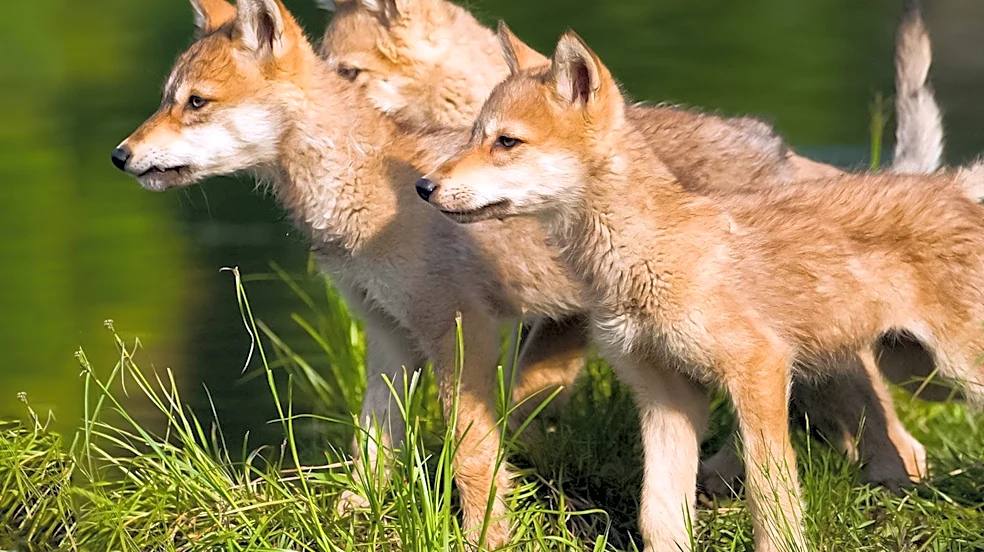
child was bitten by a coyote. The coyote, which was tracked and subsequently killed, was confirmed through DNA analysis to be the animal responsible for the attack. According to NBC Los Angeles, neighbors reported that a coyote, nicknamed Wylie, had been seen in the area for months, with speculation that residents were providing it with food and water. The Los Angeles Times reported that an unidentified resident had been feeding the canine for months. The CDFW had contacted the resident both before and after the incident. The child bitten in the attack on Glenhurst Avenue was treated at a hospital and later released.
Why It's Important?
This case highlights the significant public safety and ecological implications of human interaction with wildlife, particularly in urban environments. The feeding of wild animals, such as coyotes, can lead to habituation, causing them to lose their natural fear of humans and increasing the likelihood of aggressive encounters. This incident underscores the dangers posed to residents, especially children, when wildlife behavior is altered by human intervention. Furthermore, the potential legal action against the resident serves as a precedent, emphasizing the responsibility of individuals to adhere to wildlife protection laws and the consequences of failing to do so. It also brings to light the challenges faced by wildlife management agencies in mitigating human-wildlife conflicts in densely populated areas.
What's Next?
The Los Angeles City Attorney will review the findings from the California Department of Fish and Wildlife's investigation. If the City Attorney decides to pursue the case, the resident could face misdemeanor charges for illegally feeding wildlife. This legal process will determine the specific penalties, if any, imposed on the individual. Beyond the immediate legal proceedings, this incident may prompt increased public awareness campaigns regarding the dangers of feeding wild animals and the importance of maintaining natural boundaries between humans and wildlife. Local authorities and wildlife agencies may also consider implementing stricter enforcement measures or educational programs to prevent similar occurrences in the future, particularly in areas where human and wildlife habitats intersect.
Beyond the Headlines
The incident in Atwater Village extends beyond a single legal case, touching upon broader ethical and environmental considerations. The act of feeding wild animals, often stemming from a desire to help or observe, inadvertently disrupts natural ecosystems and can lead to detrimental outcomes for both humans and wildlife. Coyotes, as apex predators in many urban environments, play a crucial role in controlling rodent populations. However, when they become reliant on human-provided food, their hunting behaviors change, and they may become more territorial or aggressive towards people and pets. This situation also raises questions about urban planning and how communities can better coexist with wildlife, emphasizing the need for sustainable practices that protect both human safety and ecological balance. The case could influence future policy decisions regarding urban wildlife management and public education.